
Looking into the challenges of public health in Latin America, the immediate conclusion is often that there is simply a shortage of medical professionals. However, as MEDLIFE and local medical centers in Ecuador have observed, the crisis is frequently a matter of a “delivery gap” where existing systems become completely overwhelmed. By identifying and addressing specific bottlenecks in healthcare, organizations like MEDLIFE and local healthcare facilities can help medical infrastructures function more efficiently without the need to replace them entirely. Between limited staffing, language barriers, cultural differences, and unprecedented patient demand, these congestion points create a system where routine and high-risk cases compete for the same scarce resources, ultimately delaying life-saving treatment for those who need it most.


Understanding the Systemic Overload
Public health facilities, such as the rural subcenters serving indigenous communities in Ecuador, often struggle with limited resources that prevent them from providing 100% of a patient’s required treatment locally. For instance, a dental station may be well-equipped to relieve a patient’s immediate pain through an access cavity or basic cleaning, but they often lack specialized materials like gutta-percha or paper points required to perform complex procedures like root canals.
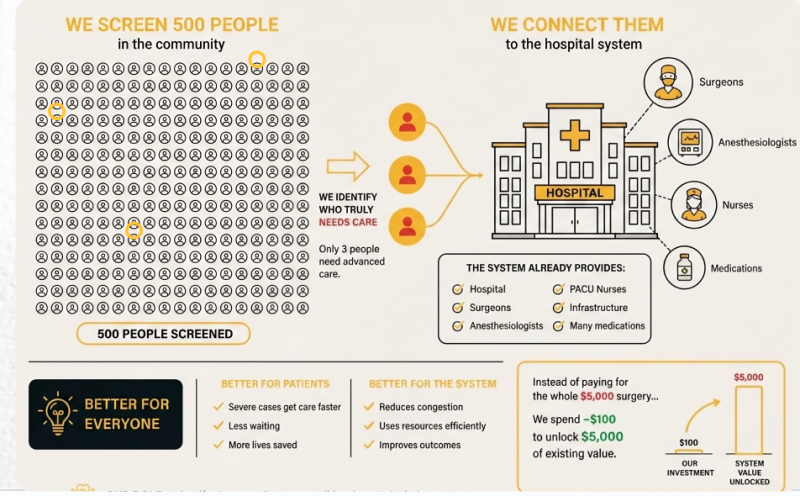
Consequently, these patients are referred to larger, second-level hospitals in cities like Riobamba or Guamote to finalize their care. This constant reliance on referrals is a huge physical and logistical barrier to healthcare access that people living in rural, underserved areas face. When a local clinic cannot finalize a procedure, the patient must navigate the costs of transportation, complex scheduling, and the potential of lost income just to complete a routine treatment. If this delivery system is not carefully triaged, major hospitals become congested with these routine cases, which significantly increases wait times for high-risk surgical or oncology patients who cannot wait weeks for an opening.
The Strategic Role of Screening and Triage
To combat these bottlenecks in healthcare, MEDLIFE focuses on working directly with ministries of health to improve system efficiency. A core strategy in this effort is the use of Mobile Clinics to perform early community screenings. By evaluating patients in their own neighborhoods, medical professionals can identify high-risk findings early and ensure that only those who truly require specialized, second-level intervention are referred into the formal hospital system.
This triage approach allows local subcenters to better manage their resources, focusing on pressing matters such as maternal health check-ups and emergency services. Furthermore, modernizing these systems through integrated digital medical histories ensures that a patient’s data follows them seamlessly across different districts and cities. This reduction in the administrative burden on providers allows doctors to step away from paperwork and focus on the human connection of medicine, which has shown to ultimately restore a sense of hope and purpose to their careers.
Overcoming Cultural and Linguistic Gaps
Effective healthcare delivery also requires being prepared for language barriers in healthcare. In many indigenous communities, the inability of patients to communicate comfortably in Spanish can make navigating a complex referral system feel impossible. Hospitals and subcenters that employ Kichwa-speaking staff are vital for ensuring that patients fully understand their treatment plans and feel a sense of respect and inclusion within the formal medical system.
In many cases, the “treatment” required is as much psychological as it is clinical. Providing a space where a patient feels heard and respected through a genuine human “doctor-patient” connection can move an angry or fearful visitor into a happy, compliant patient who trusts the system and feels safe.
By filling these specific gaps in navigation, education, and psychological support, we can help resolve the bottlenecks in healthcare that hinder long-term delivery and ensure that public systems can fulfill their promise of care for every individual, regardless of their location or language.