Choosing meaningful clinical experience is about more than checking a box on your medical school application. Imagine standing beside a local physician during a community health screening in Ecuador. As patients move through triage, conversations extend beyond blood pressure readings and medical histories. Families discuss transportation challenges, access to healthy food, and barriers to reaching healthcare facilities. In that moment, you begin to understand that healthcare is about far more than treating illness. It is about understanding the conditions that shape people’s lives.
For many aspiring healthcare professionals, experiences like these become some of the most valuable lessons of their education. Rather than focusing solely on clinical skills, they learn how medicine, public health, and sustainable development work together to improve health outcomes.

Why Clinical Experience Should Be About Learning First
Many students searching for how to get clinical experience for med school focus on finding patient-facing opportunities. Shadowing physicians, volunteering at hospitals, and working as medical assistants all offer valuable exposure. However, the strongest experiences also teach students to understand healthcare through the eyes of patients and the professionals who serve them every day.
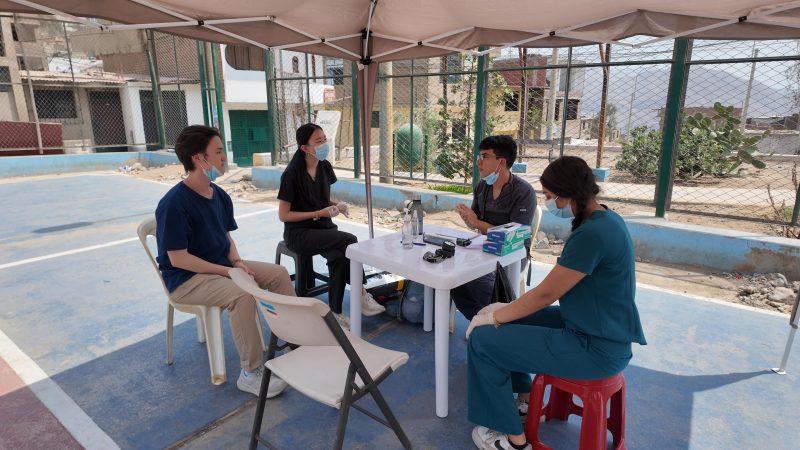
MEDLIFE’s Service Learning Trips are built around this philosophy. Students learn alongside local physicians, nurses, dentists, pharmacists, and community health professionals who lead every aspect of patient care. Participants observe consultations, assist with patient flow, support health education activities, and see firsthand how preventive care connects patients to long-term treatment.
Students are never asked to perform procedures beyond their qualifications. Instead, they gain experience by observing ethical healthcare in practice while learning from professionals who understand the local language, culture, and healthcare system.
If you’re wondering whether volunteering counts as clinical experience, understanding the level of patient interaction, supervision, and educational value is an important place to begin.
Looking Beyond the Clinic to Understand Health
One lesson surprises many students during their first Service Learning Trip.
The mobile clinic may be the reason they came, but the development projects often leave the deepest impression.
After spending the morning assisting with patient intake, students might visit a nearby community where residents are working alongside MEDLIFE staff to build a staircase. At first glance, the project seems unrelated to healthcare. Then local leaders explain how the staircase makes it safer for children to reach school, allows older adults to access medical services more easily, and can help communities qualify for public utilities and future infrastructure investments.
Students begin connecting the dots.
Healthcare depends on safe housing, reliable transportation, nutritious food, clean water, and economic opportunity. Improving these conditions strengthens community health long before someone enters a clinic.
This broader perspective helps students better understand Global Health, Sustainable Development, and Community Empowerment in action.
Learning Through Ethical Collaboration
Students often ask how to get clinical experience for med school while making a meaningful contribution.
The answer is not performing more procedures. It is learning from experienced professionals who already serve their communities.
MEDLIFE partners with local healthcare providers because they continue caring for patients long after each Service Learning Trip ends. Screenings identify concerns such as hypertension, diabetes, or cervical cancer risk, while referrals connect patients to ongoing treatment through established local healthcare systems.
Students witness continuity of care instead of isolated volunteer efforts.
This model also changes how participants think about volunteering. Instead of arriving with the expectation of helping others through direct medical care, they begin asking thoughtful questions, listening carefully, and recognizing the expertise of local professionals.
Students comparing service learning versus hospital volunteering often find that both experiences contribute to their growth in different ways, especially when paired with reflection and mentorship.

Community-Led Projects Create Lasting Change
A powerful example of MEDLIFE’s long-term approach can be found in Lima, Peru.
Families living on steep hillsides once navigated unstable dirt paths every day to reach schools, workplaces, and healthcare facilities. Together with community leaders, MEDLIFE supported the construction of permanent staircases through its 50-50 development model. MEDLIFE supplied materials while residents contributed labor, creating true community ownership.
The finished staircases improved safety, increased accessibility, and helped strengthen opportunities for future public investment.
Students quickly realize these projects are not separate from healthcare.
They are healthcare.
Safer infrastructure allows families to access medical care more consistently, reduces injuries, and creates stronger, healthier communities over time.
Learn more about these community development projects and their long-term impact.
Choosing Service Opportunities Abroad That Put Communities First
Not every volunteer program follows the same approach.
Some prioritize short-term experiences without building long-term relationships. MEDLIFE instead works year-round alongside local leaders, healthcare professionals, and partner communities to support projects that continue long after students return home.
For participants, this creates meaningful service opportunities abroad that emphasize learning, humility, and collaboration instead of one-time volunteerism.
Students leave with a stronger understanding of preventive healthcare, ethical volunteering, and the importance of working within community-led systems.
If you’re exploring service opportunities abroad, learn more about MEDLIFE Service Learning Trips.
You can also discover how to get patient experience in healthcare, explore the benefits of gaining medical experience in underserved communities, and learn how to talk about your experience in a medical school interview.
From Observation to Impact
The most meaningful clinical experience is not defined by how much you do. It is defined by how much you learn.
Students who approach healthcare with curiosity, humility, and respect develop skills that extend far beyond any résumé. They learn to communicate with empathy, appreciate the importance of prevention, and recognize that lasting change happens when communities lead the way.
These lessons shape not only stronger medical school applicants, but also more thoughtful future healthcare professionals.
MEDLIFE – Transformative Travel Experiences
Ready to take the next step? Start your journey by downloading our brochure and discover how MEDLIFE’s ethical Service Learning Trips combine hands-on learning with sustainable, community-led impact.
You can also donate to support sustainable projects and help expand access to healthcare, education, and community development through long-term partnerships. To learn more about the global importance of addressing social determinants of health, visit the World Health Organization.