
Signing up for a Service Learning Trip means you are dedicating time, money, and effort into a week-long trip where you get to learn about the unique medical systems of a foreign country and how those living in underserved communities lack access to vital resources. During this time, you want to ensure your time in the field creates a real, lasting impact on the both the people you serve and yourself. If you choose to volunteer in Antigua, Guatemala, you are committing your time to support families who lack access to basic resources like medicine, sanitation, and school infrastructure. To make sure your hard work translates into a meaningful time abroad, you need to approach the trip with the right mindset.
Here are the top ways to get the absolute best out of your time as a volunteer in Guatemala.
1. Prepare adequately before the trip
Before you travel to Antigua, make sure you research the area and familiarize yourself with the culture and customs. You can also learn some basic Spanish phrases to help you communicate with the locals. Free apps like Duolingo are great resources to help you practice.

2. Listen to the Community Leaders First
True community development does not come from imposing outside ideas. When you volunteer in Antigua, Guatemala, the most valuable thing you can do on day one is listen. Local leaders and field staff understand the specific needs of their neighborhoods better than anyone else. Whether you are assisting in a mobile medical clinic or assisting with a school renovation, always ensure you are listening and following the guidance of the local team. They know what works long-term.
3. Focus on Education and Sustainability
It is easy to get caught up in the physical tasks, like painting walls or handing out supplies. However, the most memorable part of an SLT happen at the when you are interacting and listening intentionally.
-
Engage directly with Patients: Spend time distributing educational pamphlets, helping nurses organize preventative health talks, or guiding patients through the triage station. The more face-to-face interactions you have, the stronger you will feel a connection to the community and understand the gravity of the work you are doing.
-
Focus on the Long Term: Understand that the medical checkups or building repairs you assist with are part of a continuous year-round effort, not a one-time project.
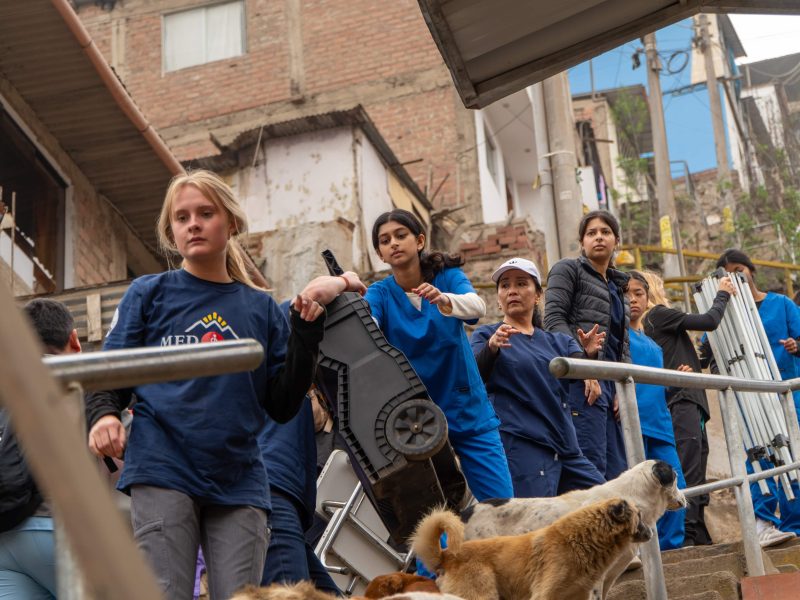
4. Speak Up During Post-Clinic Reflections
At the end of every day, volunteers gather to discuss what they observed in the field. Do not skip these sessions or stay quiet. Use this time to ask questions about the local economic, historical, and social factors that limit access to healthcare and education in the region, or things that you witnessed in the field. The point of these sessions is to learn and communicate about the work you are participating in. The more you engage in these discussions, the better you will understand the root causes of the realities you see in the field.

5. Build Real Connections with Peers and Locals
You will be working alongside a dedicated team of students, doctors, and community members.
-
Shadow the Professionals: When you are assigned to a clinic station, use the opportunity to shadow the local doctors and nurses. Learn how they evaluate patients and navigate structural barriers.
-
Work as a Team: Lean on your fellow chapter members during long, exhausting days in the field. The bonds you build while working toward a common goal are what keep the movement going long after the trip ends.
Taking the step to volunteer in Antigua, Guatemala is a serious commitment to global health and equity. By staying humble, listening to local experts, and actively participating in every part of the daily schedule, you will maximize your impact and bring valuable perspective back to home. Get ready to work hard and listen closely!
If you are interested in joining a Service Learning Trip in Antigua, Guatemala, fill out the interest form below or download our brochure today!