In the world of global development and creating community wellness, medical care and emergency aid often take center stage. This is completely valid. However, long-term health and financial stability are deeply tied to the natural world around us. For underserved communities across the globe, environmental conservation is not a secondary concern or a luxury, it is the foundational pillar of health, safety, and sustainable development. Deforestation, unmanaged waste, and soil erosion disproportionately impact low-income families and people living in informal settlements that lack land title or ownership, making environmental protection one of the most important tools for creating lasting change.
The Direct Line Between Ecosystems and Public Health
Poverty and environmental degradation feed into one another in a destructive cycle. When natural ecosystems deteriorate, basic human necessities become scarce or unsafe. A prime example is how local deforestation and inadequate waste management contaminate local water tables. Securing reliable access to drinking water becomes an uphill battle when local sources are polluted, forcing community members, often women and children, to spend hours traveling to gather water or risk contracting waterborne illnesses.
By prioritizing targeted conservation projects, such as watershed restoration and sanitary infrastructure, communities can safeguard their natural resources. Protecting water sources reduces the incidence of preventable diseases like cholera and dysentery, which in turn reduces medical costs and keeps parents at work and children in school.
Building Safer Infrastructure and Sustainable Housing
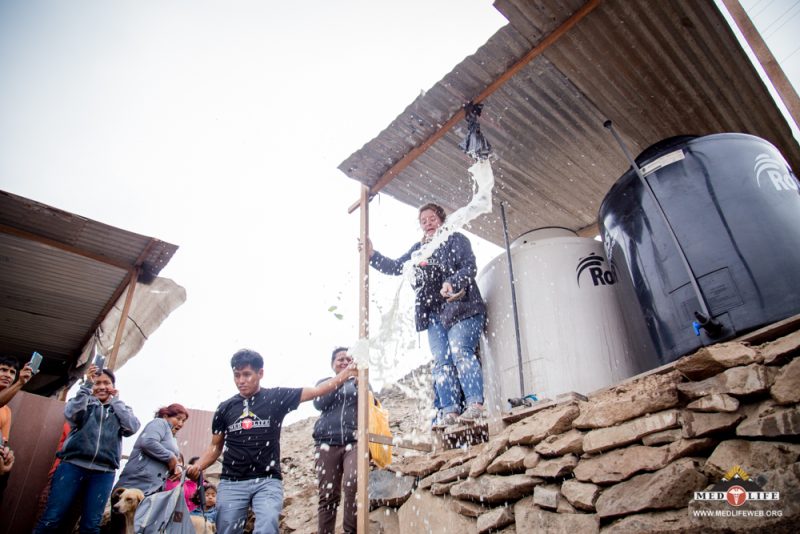
Environmental hazards also pose an immediate threat to physical safety. In informal settlements, like the ones in Lima, Peru, homes are frequently built on steep, unstable hillsides susceptible to devastating mudslides during heavy rainfall. Projects rooted in environmental conservation, such as soil stabilization through tree planting and constructing retaining walls, can help turn fragile terrain into secure, liveable land.
Beyond structural stability, eco-conscious building practices, like installing eco-stoves that vent smoke away from living areas, improve indoor air quality while also reducing reliance on local timber. These infrastructure enhancements ensure that homes remain safe, durable shelter for generations rather than seasonal risks.
Breaking the Cycle of Poverty Through Conservation
To build resilient communities, we must address the root environmental factors that keep families vulnerable. Systemic efforts focused on fighting poverty cannot succeed without incorporating environmental stewardship into every phase of development. When families spend less time suffering from resource scarcity or repairing damage from preventable natural disasters, they gain the bandwidth to invest in education, small businesses, and community organizing.
Environmental protection is fundamentally about people. When we protect watersheds, stabilize ecosystems, and build sustainable community infrastructure, we create a safe environment where families can thrive. By connecting ecological health directly to human potential, we can break the cycle of hardship and lay down the foundation for a healthier, more equitable future.
To learn how you can assist in environmental conservation projects in Latin America or Africa with MEDLIFE, fill out the interest form below or download our free brochure today!