
When an energy crisis hits a region like Ecuador or Guatemala, the vulnerabilities of modern infrastructure are instantly exposed. In a rural health clinic, an unexpected blackout does not just turn off the lights, it disconnects the entire facility from the centralized digital network. For providers navigating the realities of healthcare in rural Latin America, power grid failures are an unpredictable but recurring obstacle. While urban facilities rely on massive industrial generators, smaller subcenters must find immediate, low-tech solutions to prevent the delivery gap from widening.


Paper Backups and Power Grids
So, what do hospitals do when the power goes out in an isolated area? When the electricity cuts out and digital systems go offline, local Ministry of Health doctors do not stop treating patients. Instead, they immediately pivot to an entirely manual backup protocol.
According to the local medical staff in Riobamba, Ecuador, when the lights go out, they adapt by hand-writing all patient evaluations:
“Right now, we work with the integrated system. But when there is an energy crisis, we have what is called a paper system… tiny paper slips where we write down the clinical history, prescriptions, and codes”.
This fascinating detail paints a vivid picture of the sheer resilience required by local providers. Doctors carefully record vital signs, diagnoses, and treatments on these small sheets of paper by hand, ensuring that patient intake and triaging do not ground to a halt.

Maintaining Continuity of Care
The true challenge begins when the power grid is restored. The clinic cannot simply file the paper away; they must maintain a seamless digital medical history so the data can follow the patient across different districts. The staff explains the meticulous process required to bridge this gap:
“When the power returns, we have to upload everything manually into the system, patient by patient, to clear the backlog”.
This double administrative burden highlights the dedication of the local workforce. By manually back-filling the digital database, they ensure that a patient’s care continuity is completely preserved, even if their appointment happened in the dark.
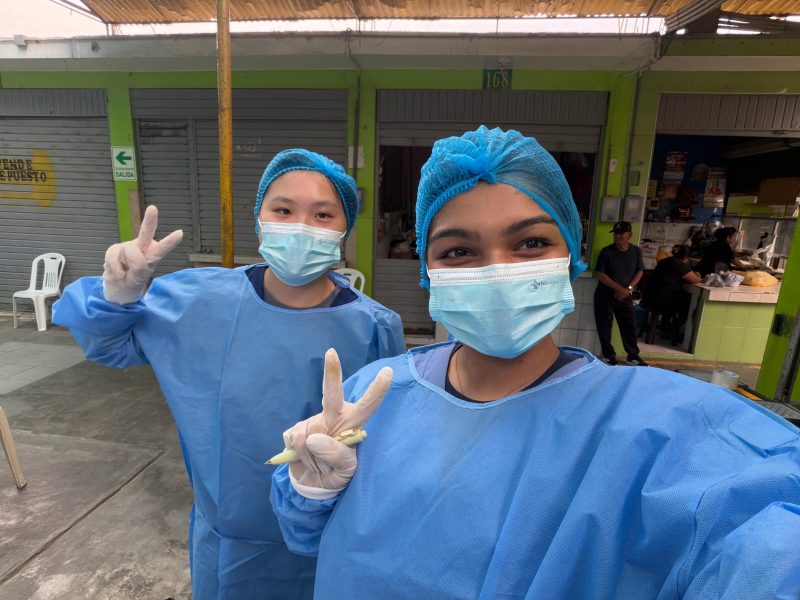
A Lesson for Future SLT Participants
For anyone preparing to participate in a Service Learning Trip, understanding this aspect of the local system helps participants see the full picture of how healthcare systems that serve rural communities operate. Working in a rural health clinic or hospital requires absolute adaptability by all employees. When you assist in a Mobile Clinic, you aren’t just observing medicine; you are learning from local professionals about resourcefulness and adaptability. By witnessing this type of dedication firsthand, volunteers learn that true health equity is built on the resilience of the people working within the system.
Interested in how you can assist people living in rural areas of Ecuador, Peru, or Tanzania in accessing equitable and comprehensive healthcare? Consider joining a MEDLIFE Service Learning Trip! To get started today, fill out the interest form below, download our free brochure, or check out our upcoming trips.