Health is shaped by much more than access to doctors or medical treatment. The social determinants of health, which are the conditions in which people are born, grow, live, work, and age, play a critical role in shaping overall well-being, especially in underserved communities.
For many individuals, these factors influence not only their likelihood of developing illness, but also their ability to prevent, manage, and recover from it. In underserved communities, where resources are often limited, the impact of the social determinants of health becomes even more pronounced.

The Five Key Factors That Shape Health
There are five core areas that define the social determinants of health: economic stability, education, healthcare access, neighborhood environment, and social context. Economic stability affects whether individuals can afford basic needs like food, housing, and healthcare. Education influences health literacy, job opportunities, and long-term well-being. Access to healthcare determines whether people can receive preventive care or treatment when they need it.
The environment where someone lives also plays a major role. Factors like clean water, safe housing, and access to transportation directly affect health outcomes. Finally, social and community connections provide emotional support and resources that can improve resilience and reduce stress.
Together, these interconnected factors create a foundation that either supports or limits a person’s ability to live a healthy life.
Why Underserved Communities Are Most Affected
Underserved communities often face multiple barriers across these areas all at once. Limited economic opportunities can make it difficult to access nutritious food or healthcare services. Gaps in education can reduce awareness of preventive care, while remote or underdeveloped environments can restrict access to essential infrastructure.
These overlapping challenges lead to significant health disparities. Research shows that differences in income, environment, and access to resources can directly impact life expectancy and disease outcomes.
In many cases, these inequities are not caused by individual choices, but by systemic barriers that limit opportunities. This is why directly addressing and understanding the social determinants of health is essential for creating meaningful and lasting change.
Addressing Root Causes for Lasting Impact
Improving health outcomes in underserved communities requires going beyond short-term solutions. While medical care is important, it is only one piece of the puzzle. Long-term impact comes from addressing the root causes of inequality, such as poverty, lack of education, and inadequate infrastructure.
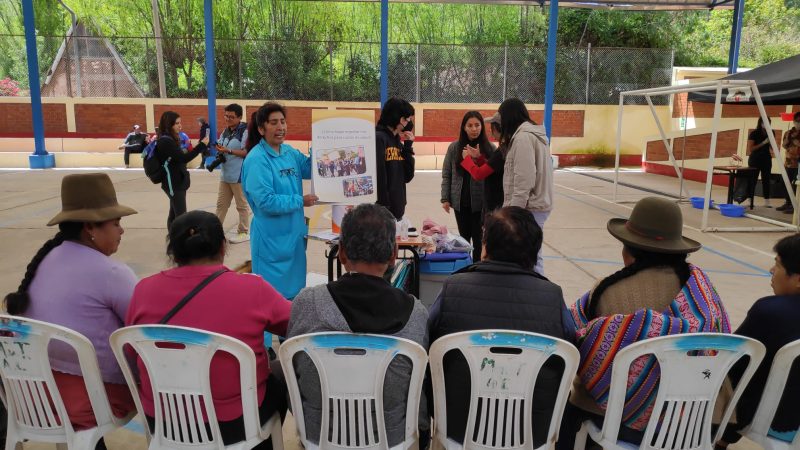
MEDLIFE takes a holistic approach by working alongside communities to improve healthcare, education, and infrastructure simultaneously. By investing in these areas, communities can build stronger foundations that support long-term health and well-being.
This model recognizes that health is deeply connected to everyday living conditions. When communities have access to clean water, stable income, and education, they are better equipped to prevent illness and thrive independently.
Building Healthier, More Equitable Communities
Addressing the social determinants of health is not just a public health priority, it is a pathway toward equity for people in areas that lack resources. When communities have access to the opportunities they need, health outcomes improve across the board.
Creating lasting change requires collaboration across sectors, from healthcare and education to infrastructure and policy. By focusing on these interconnected factors, MEDLIFE and other organizations are helping to build healthier, more resilient communities around the world.
To directly support underserved communities across Latin America and Africa, consider joining a MEDLIFE Service Learning Trip! You can travel abroad and assist local professionals in medical, educational, and infrastructure projects to help reduce poverty and uplift communities to access essential services. To learn how to get started today, fill out the interest form below or download our brochure!