If you’re on the pre-health track or studying public health, you’ve probably noticed that the term “global health” gets used rather loosely. Sometimes it means a medical mission trip; sometimes it means WHO policy. It’s worth pinning down what the term actually means, especially if you’re considering a career in medicine or community development.
Global health is an interdisciplinary field that aims to look past the individual clinic visit and focus on the overall determinants that shape health outcomes. It asks who can access care and why that access is unequal. Then it asks what it would take to change the systems behind those gaps.
What Global Health Focuses On
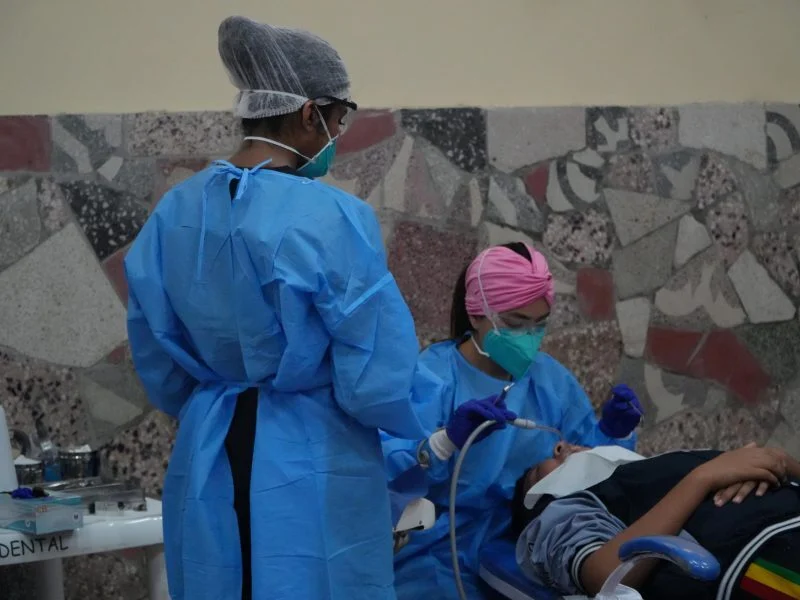
Global health deals with health issues that cross national borders. Instead of looking only at individual biology, it asks how income, politics, environment, and geography shape the health of whole populations across diverse regions and countries. A few ideas sit at the center of this:
- Health equity. Everyone should have a fair chance to be as healthy as possible, regardless of income, race, or where they live.
- Prevention. Clean water access, stable infrastructure, and sanitation stop many diseases before anyone needs a clinic.
- Continuous access to care. When regional health networks are strong and the local health workforce is well trained and paid, care becomes something communities can count on, not something that just arrives and leaves.
Why Short-Term Fixes Fall Short
Many start out picturing global health as simply relief work: a team flies in, treats patients, and flies home. Programs that operate separately from local health systems can’t address what’s making people sick in the first place or create a reliable system for long-term patient care.
Ethical global health work should always put long-term, community-led development at the forefront. That starts with listening to local doctors, nurses, and community organizers, who know their own health systems best, and partnering with them over years rather than just a week.
Visiting volunteers aren’t the providers in these systems. Their role is to learn from local experts and act as support for projects the community is already leading.
How Students Can Get Involved In Global Health Now
You don’t need to be in medical school to start working in the world of health equity. A lot of it starts on campus:
- Join or start a MEDLIFE chapter. A campus chapter connects you with other students who care about ethical outreach and health education, both locally and abroad. Chapters can be started both at the high school level as well as university/undergrad.
- Take courses that build context. Medical sociology and epidemiology dig into the social determinants of health, and health policy shows how those determinants get shaped by decisions made on others behalf. If your school offers undergraduate research in these areas, it’s worth pursuing. Spanish courses are useful too if you plan to work with Spanish-speaking communities.
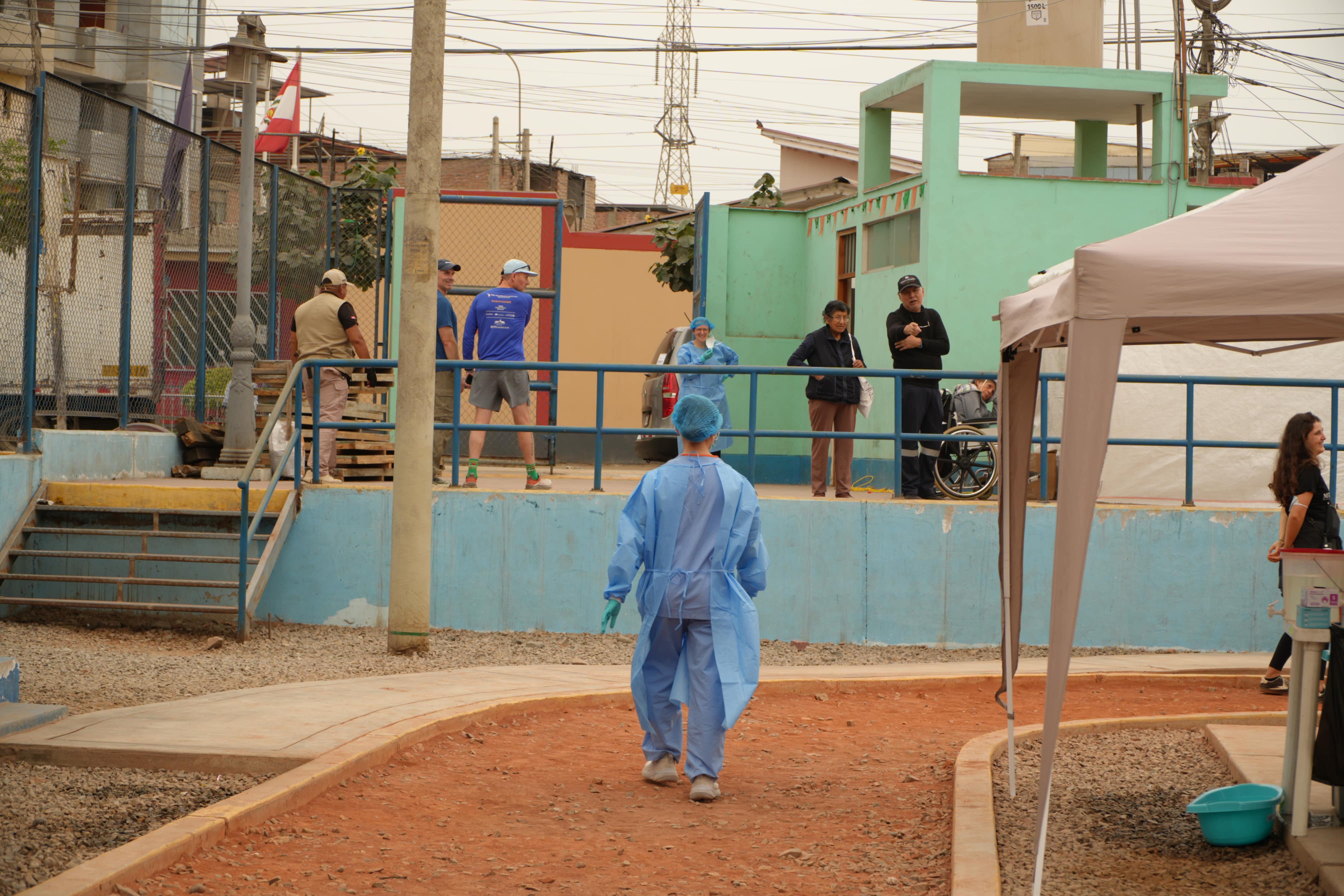
- Learn in the field. MEDLIFE’s Service Learning Trips pair academic preparation and cultural humility with ethical service abroad. Because MEDLIFE maintains working relationships with partner communities, the work continues long after students go home.
Get Started Today!
Understanding why health care is unequal is where good global health practice begins, whatever field you end up in. If you want to build that understanding alongside other students, consider joining a MEDLIFE service learning trip or chapter today! To learn how to get started, fill out the interest form below.