Cardiovascular disease is often framed as an urban lifestyle condition driven by sedentary habits and aging populations. However, in the high-altitude hillside communities surrounding cities like Lima, Peru, hypertension is rapidly becoming an acute crisis among working-class residents. Families living in informal settlements face a unique physiological and social storm. When extreme geographic elevation interacts with unpaved terrain, water scarcity, and systemic poverty, the human cardiovascular system pays the price. Understanding why blood pressure spikes in these communities requires looking beyond genetics to examine environmental justice and daily living conditions.

The Physiological Strain of High-Altitude Living
Living thousands of feet above sea level places constant demands on the human circulatory system. At high altitudes, lower atmospheric pressure reduces oxygen availability, forcing the heart to pump faster and harder to deliver oxygenated blood to vital organs.
While long-term residents adapt over time, the physical environment of unplanned hillside expansion zones compounds this baseline physiological strain:
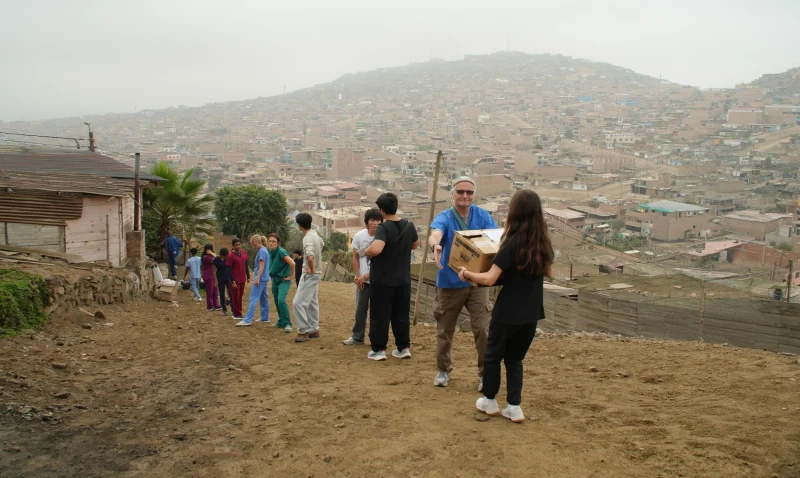
- Relentless Physical Exertion: Without paved roads, public transit, or staircases, residents must haul heavy water containers, construction materials, and groceries up steep dirt inclines daily.
- Chronic Hypoxia and Vascular Resistance: Prolonged exposure to lower oxygen levels causes blood vessels to constrict, gradually raising baseline vascular resistance and elevating systemic blood pressure.
Water Hauling, Stress, and Food Insecurity
Hypertension in high-altitude communities is rarely caused by a single factor. Instead, it is driven by the daily structural friction of living without municipal utilities.
In the informal communities and slums of Peru, municipal water networks rarely reach the highest perches of the hills. Residents rely on water trucks and must carry 40-to-50-pound jugs up loose, unpaved trails. This grueling physical labor, performed multiple times a day under hypoxic conditions, creates repeated, intense blood pressure spikes that strain arteries over time.
Furthermore, economic isolation directly dictates nutrition. The severe food insecurity consequences observed in these settlements mean families rely heavily on cheap, highly processed, sodium-dense shelf-stable foods because fresh produce is difficult to transport and store without refrigeration. High dietary sodium paired with chronic physiological stress forms a direct pathway to early-onset hypertension.
Overcoming Infrastructure-Driven Cardiovascular Risk
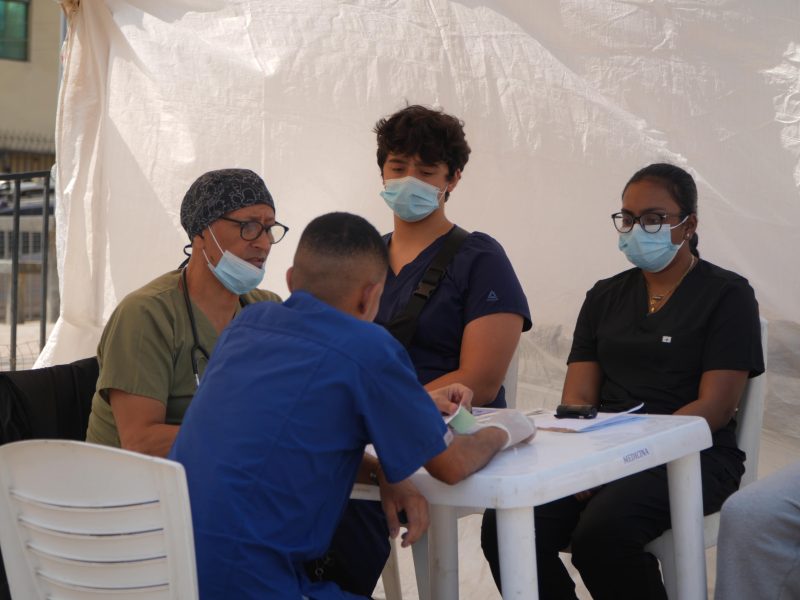
Addressing high blood pressure in high-altitude informal settlements requires interventions that extend beyond prescribing antihypertensive medication. While mobile medical clinics are essential for early screening and routine monitoring, long-term health equity relies on transforming the physical environment patients live in.
Constructing concrete staircases with handrails drastically reduces the cardiovascular strain of carrying water and goods up steep hillsides. Installing municipal water lines eliminates the need for manual water hauling altogether. When global health initiatives pair routine clinical monitoring with sustainable community development, they address both the symptoms and the root structural causes of high-altitude hypertension.
Assistance To Encourage Healthy Communities
Hypertension in low-income, high-altitude areas is a clear indicator of how structural inequalities manifest inside the human body. By recognizing that physical terrain, utility access, and food systems directly shape cardiovascular health in informal settlements, we can build holistic health programs that protect hearts and improve lives.
To learn how you can assist people living in high-altitude, low-income areas in Latin America and Africa, fill out the interest form below or download our brochure today!