
In clinical training for healthcare related fields, learning how to interact with diverse populations has traditionally focused on mastering cultural norms, customs, and health beliefs. For years, health programs trained students to achieve a certain level of understanding and “mastery” over a variety of distinct cultures.
However, medical education is undergoing a fundamental shift away from this static approach. Today, cultural humility is replacing older models because it recognizes that no healthcare provider can ever fully “master” another person’s lived experience and cultural nuances. Embracing this mindset is what ensures MEDLIFE’s service work remains grounded in genuine respect and ethical care.

Moving Beyond a Mastered Checklist
The classic framework of cultural competence in health suggested that learning a set of general facts about a community’s background made a provider fully equipped to serve them. While well-intentioned, this mindset carries hidden risks:
-
Overgeneralization: Treating a culture as a fixed set of traits often leads to relying on broad stereotypes rather than listening to the individual patient sitting in front of you.
-
False Mastery: Expecting students to become “competent” in a culture after a workshop or short trip creates a false sense of expertise.
-
Power Imbalances: A competence framework implies that the healthcare worker holds the knowledge, positioning them as the authority figure rather than a collaborative partner.
Key Differences in Perspective
To understand why global health organizations and medical schools are shifting their training models, it helps to examine the core mindset shift:
| Cultural Competence | Cultural Humility | |
|---|---|---|
| End Goal | Reaching an endpoint of “knowledge” | Engaging in a lifelong process of learning |
| Self-Reflection | Focuses on learning about others | Focuses on examining one’s own biases |
| Power Dynamics | Provider acts as the clinical expert | Patient is recognized as the expert of their life |
| Attitude | Confident mastery | Open, curious, and self-aware |
When students ask, “what is the difference between cultural competence and cultural humility,” the core answer comes down to posture. Competence assumes there is an end line to cross; humility assumes that self-evaluation, learning, and unlearning are lifelong responsibilities.
Applying This Posture to Global Service
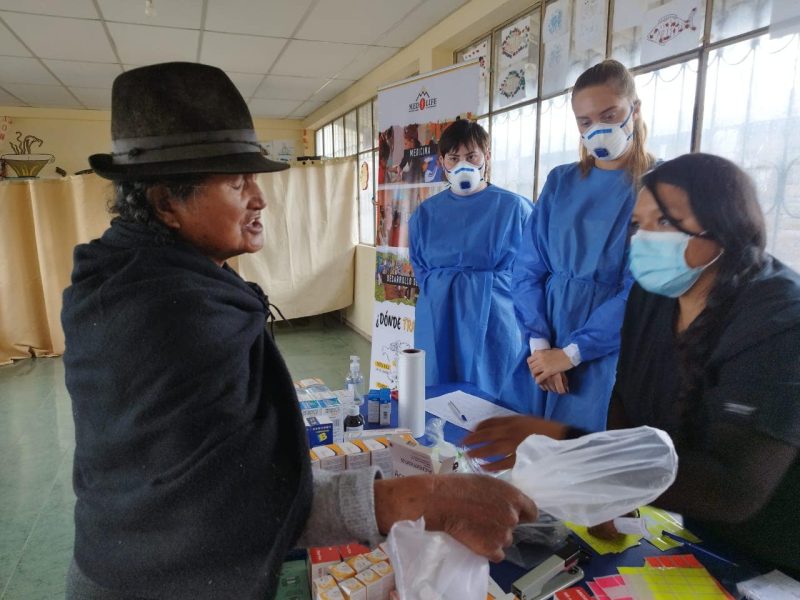
In MEDLIFE’s mobile clinics and global community health projects, practicing cultural humility fundamentally changes how volunteers interact with local residents and local healthcare teams.
Instead of arriving in a foreign community with pre-packaged assumptions about what people need, humble volunteers step back and listen. They acknowledge their own privileges and biases while recognizing local physicians, nurses, and community leaders as the true experts in their region’s healthcare landscape.
Building a Lifelong Practice
Healthcare is fundamentally about human connection. As pre-health students and future leaders prepare to serve diverse communities at home and abroad, shifting away from rigid checklists is essential. Committing to cultural humility allows you to build authentic partnerships, dismantle power imbalances, and offer care that honors each individual’s unique story.
To learn more about how you can volunteer in Latin America and Africa with MEDLIFE, fill out the interest form below or download our brochure!