If you are researching how to get clinical experience, you have probably noticed the same frustrating pattern. Many healthcare positions require certifications, licenses, or years of training before students are allowed to interact with patients directly. For pre-med students, this can make the path toward meaningful healthcare exposure feel confusing and inaccessible.
The reality is that there are many ways to gain valuable healthcare exposure before becoming licensed. The key is finding opportunities that are ethical, educational, and centered around learning from healthcare professionals rather than trying to perform beyond your qualifications.
For students interested in medicine, nursing, pharmacy, public health, or physician assistant programs, early healthcare experiences can help build communication skills, cultural awareness, empathy, and a deeper understanding of patient care. These experiences also help students decide whether a future in healthcare is truly the right path for them.
At MEDLIFE, students participate in supervised Service Learning Trips where they work alongside local doctors, nurses, pharmacists, and community leaders while learning about healthcare access, prevention, and Sustainable Development in low-income communities.

Understanding What Counts as Clinical Experience
One of the first steps in understanding how to get clinical experience is knowing what medical schools and healthcare programs actually consider valuable exposure.
Clinical experience generally involves direct interaction with patients or participation in healthcare environments. This can include shadowing physicians, volunteering in hospitals, assisting with patient intake, helping with health education programs, or supporting healthcare operations under supervision.
If you are unsure where to begin, MEDLIFE’s guide on what counts as clinical experience explains how volunteering, shadowing, and Global Health programs can all contribute to meaningful healthcare exposure.
For many students, the most accessible opportunities involve support roles that do not require certification. These positions still allow students to observe healthcare systems closely while developing professionalism and patient communication skills.
Entry-Level Ways to Gain Healthcare Exposure
Students often assume they need advanced credentials before entering healthcare settings, but many organizations offer supervised volunteer opportunities for beginners.
Some common examples include:
- Hospital volunteering
- Patient transport assistance
- Administrative support in clinics
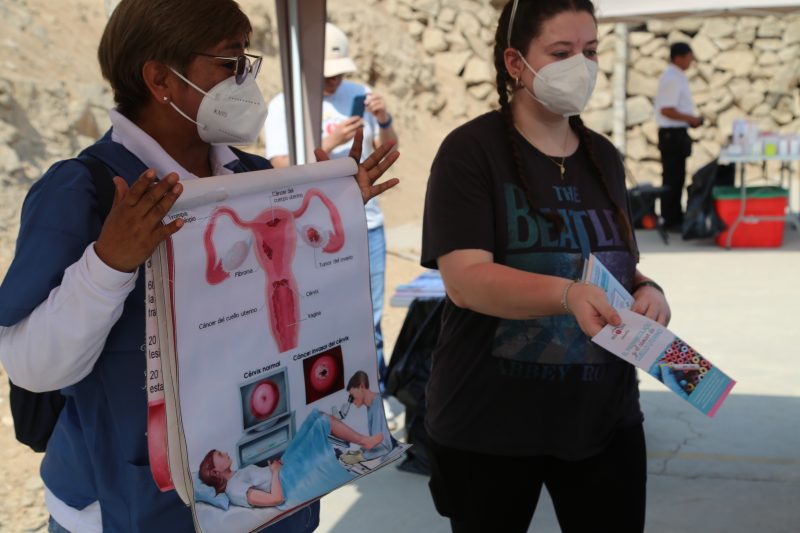
- Community health outreach
- Health education programs
- Shadowing physicians or nurses
- Assisting with clinic organization and patient flow
- Pharmacy station support
These experiences help students build confidence while learning how healthcare teams function together.
MEDLIFE’s article on how to get clinical experience without a license outlines how students can participate in patient intake, health education outreach, and supervised clinical support roles even without prior medical training.
For students seeking clinical experience pre med, these opportunities can help strengthen medical school applications while also building a clearer understanding of healthcare inequities and patient needs.

Why Ethical Volunteering Matters
Not all volunteer experiences are created equally.
Students exploring healthcare volunteering should look for programs that prioritize Ethical Volunteering, patient safety, and local leadership. Ethical healthcare programs ensure that students work within supervised educational roles while licensed professionals remain responsible for patient care.
At MEDLIFE, students support healthcare operations while learning from local providers who understand the culture, language, and healthcare systems within their own communities.
The organization’s approach focuses heavily on continuity of care. Patients seen during mobile clinics are connected to long-term follow-up systems, referrals, and additional treatment when needed. This model helps avoid the short-term, one-time care often associated with traditional voluntourism.
Students interested in responsible healthcare engagement can learn more through MEDLIFE’s article on ethical pre-med volunteer programs for clinical experience.

What Students Actually Do During Service Learning Trips
Many students researching best clinical experience for med school want to understand what real participation looks like before committing to a program.
During MEDLIFE Service Learning Trips, students work in supportive and educational capacities under supervision. Depending on the clinic setup and local healthcare team needs, volunteers may:
- Help organize patient intake
- Assist with clinic flow coordination
- Support pharmacy stations
- Observe healthcare providers
- Participate in health education outreach
- Learn about preventative care and public health
MEDLIFE’s article about what pre-med volunteers do in mobile clinics explains how students gain hands-on exposure while respecting professional boundaries and patient safety.
Beyond the clinics themselves, students also participate in Community Empowerment initiatives and development projects. This may include helping build staircases, supporting greenhouse projects, or participating in educational workshops that address root causes of poor health.
These experiences help students understand that healthcare extends far beyond hospitals alone.

Building Skills Beyond Technical Knowledge
Healthcare admissions committees are not only evaluating grades and test scores. They are also looking for empathy, communication, teamwork, adaptability, and cultural competence.
Participating in healthcare volunteering helps students develop these essential soft skills while learning how to interact respectfully with patients from diverse backgrounds.
MEDLIFE’s article on developing soft skills through clinical experience explains why communication and emotional intelligence are critical for future healthcare professionals.
Students often return from Service Learning Trips with a more nuanced understanding of healthcare disparities, social determinants of health, and the importance of listening before acting.
Rather than positioning volunteers as “saving” communities, MEDLIFE encourages students to approach healthcare work with humility, curiosity, and collaboration.

How Global Health Experiences Strengthen Applications
For students applying to medical school, physician assistant programs, nursing school, or pharmacy school, healthcare volunteering can help demonstrate initiative and long-term commitment to service.
However, the strongest applications usually combine healthcare exposure with reflection, leadership, and sustained involvement.
Students can strengthen applications by combining:
- Clinical volunteering
- Leadership roles
- Community service
- Public health outreach
- Research experience
- Cultural immersion experiences
MEDLIFE’s guide on building a competitive CV with clinical experience explains how students can present healthcare volunteering in meaningful ways while emphasizing leadership and Global Health learning.
Similarly, students taking a gap year may benefit from volunteering abroad to get clinical experience while gaining exposure to healthcare systems in communities across Latin America and Africa.
Learning Through Service and Reflection
One of the most valuable aspects of healthcare volunteering is the opportunity to learn through observation and reflection.
Students who participate in healthcare outreach programs often begin with a simple desire to help others. Over time, many realize that meaningful impact comes from collaboration, listening, prevention, and long-term partnership.
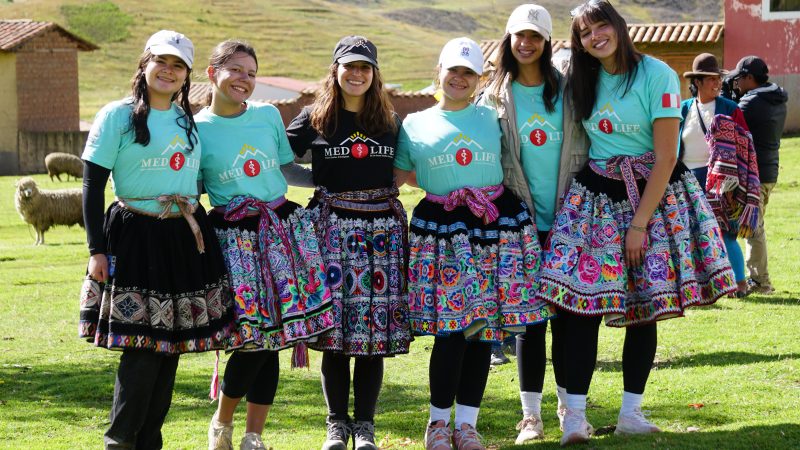
MEDLIFE’s Service Learning Trips emphasize this balance between education and service. Students gain Hands-on Experience while learning directly from local professionals and community leaders who drive sustainable projects within their own communities.
For students still exploring career paths, these experiences can also provide clarity about future specialties, public health interests, or broader goals within healthcare.
If you are still exploring how to get clinical experience, remember that meaningful healthcare exposure does not require a license to begin learning. Ethical volunteering, supervised patient interaction, community outreach, and healthcare education can all help students build valuable skills while contributing thoughtfully to long-term community partnerships.
Students interested in learning more about MEDLIFE’s Service Learning Trips can start their journey by downloading the brochure here.
Support sustainable healthcare and development initiatives by becoming a monthly donor through MEDLIFE’s Moving Mountains program.