During your time volunteering abroad in healthcare or community development, it’s important to understand the nuances of interacting with people from different cultural backgrounds. One of the key concepts volunteers need to embrace is cultural humility. Unlike cultural competence, which focuses on learning about a culture’s norms, beliefs, and practices, cultural humility emphasizes self-reflection, humility, and an openness to continuous learning and growth. For volunteers, practicing cultural humility ensures more meaningful and respectful engagement with the communities we serve.

What Is Cultural Humility?
Cultural humility is more than just understanding different cultural practices, it’s more about acknowledging that no one culture is superior and that every person is a unique individual with their own experiences and values. It revolves around recognizing the power dynamics between volunteers and local community members, understanding that even well-intended actions can perpetuate inequality if not approached with sensitivity and respect.
The essence of cultural humility is ongoing self-reflection and understanding of your personal position. Volunteers are encouraged to examine their own biases and preconceived notions about the people they’re serving. It’s important to understand that cultural learning is a lifelong journey. By being humble in their approach and seeking to understand, volunteers can build trust, forge stronger relationships, and create positive, community-led change.
What Is Cultural Competence?
While cultural competence can mean understanding different cultures, it focuses more on acquiring knowledge about cultural norms, practices, and traditions, so that your understanding can be more cohesive. Cultural competence means learning and adapting to new cultural environments by being aware of social practices, language, and behaviors within a specific cultural context.
For MEDLIFE volunteers, cultural competence is essential because it provides a framework for navigating the environments they will be working in. It helps volunteers communicate effectively and respect cultural differences. Without cultural humility, even the most competent volunteer can fall into the trap of making assumptions or unintentionally imposing their views onto others. This is why cultural humility is seen as a more critical practice, as it encourages volunteers to remain open and non-judgmental throughout their experiences.
Why Volunteers Should Focus on Cultural Humility
When volunteers practice cultural humility, they avoid viewing the community they are helping through a narrow lens or from a place of superiority. Instead, they approach each interaction with empathy, a willingness to listen, and a commitment to respect the voices of the people they serve. This approach ensures that their work isn’t about “helping” in a savior complex manner but rather about supporting the local community’s needs and aspirations.
During ethical travel, it’s essential for volunteers to understand that their role is not to “fix” a community but to collaborate with them, offering support and resources where needed. By practicing cultural humility, volunteers can better understand local contexts, which helps them become more effective in their work. They also learn how to listen and empower community members, which is a crucial component of sustainable development.
Taking Away the Right Lessons
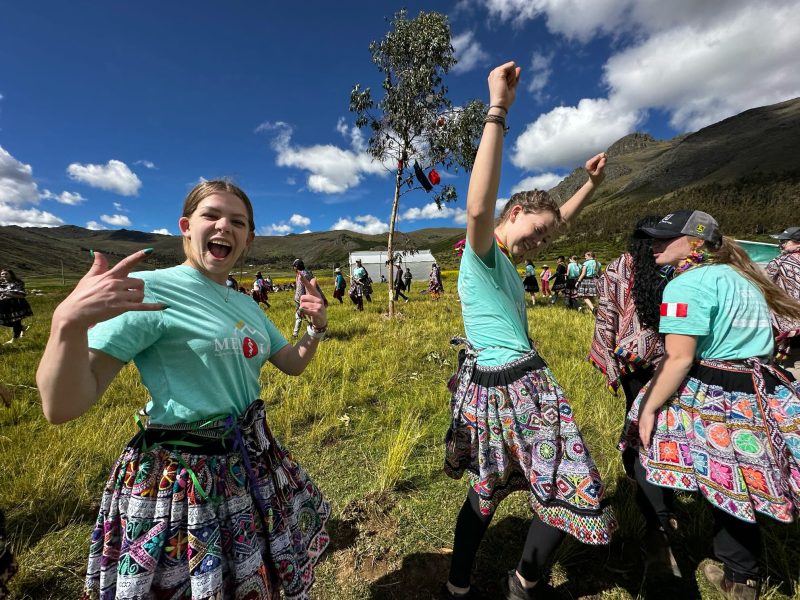
Volunteers working with MEDLIFE on Service Learning Trips should view their time abroad not just as an opportunity to make a difference but as a chance to reflect, learn, and grow. Volunteers should aim to return home not only with new skills and memories but also with an enriched perspective on the importance of cultural humility and its role in global health and community development.
The key takeaway for volunteers is to keep an open mind, continue learning about different cultures, and practice respect and humility throughout their journey. In doing so, they contribute to a more ethical, collaborative, and inclusive world.
To learn how to get started, fill out the interest form below.
You can also help directly fund our community outreach programs by becoming a monthly donor to our Moving Mountains campaign. For just the cost of one coffee per month, you can help people like the patients you just read about receive care and assistance through their medical procedures. Click here to learn more!