For aspiring nurses and nursing students, transitioning textbook knowledge into fast-paced clinical confidence is one of the biggest hurdles in healthcare education. While traditional hospital rotations offer valuable structure, managing high patient volume in unpredictable environments can quickly accelerate critical thinking like nothing else. Gaining hands-on nursing experience early in your career helps you master triage, patient communication, and stress management under pressure. When you step out of a controlled simulation lab and into a bustling community clinic, you learn how to deliver compassionate, efficient care when resources are limited and time is of the essence. Here’s how assisting inside a mobile clinic in a medically underserved community can teach real-life lessons about the realities of patient care.
1. Mastering Triage and Rapid Assessment
In high-volume clinic settings, nurses and volunteers serve as the first line of care. Learning to quickly assess, prioritize, and record vital signs across a steady stream of patients builds instincts that every nurse should have before stepping into their first job.
- Rapid Patient Intake: Triage forces you to identify critical red flags within seconds, differentiating between routine checkups and urgent physiological distress.
- Vital Signs Proficiency: Measuring blood pressure, pulse, and oxygen saturation across hundreds of patients sharpens your manual dexterity and speed.
- Efficient Patient Flow: Coordinating intake queues ensures that medical doctors and dentists can see patients smoothly without creating bottlenecks.
2. Navigating Communication Barriers Under Time Constraints
High patient volume often brings diverse patient populations with unique cultural backgrounds and language preferences. Delivering high-quality care under time constraints requires developing instant rapport and empathy.
When participating in global nursing volunteer opportunities abroad, nursing students learn to use non-verbal cues, visual health education aids, and clear body language to make patients feel heard and respected, even when clinics are operating at peak capacity..jpg)
3. Developing Resilience and Teamwork
Pressure reveals the importance of interprofessional teamwork. When a mobile health clinic serves an entire rural community in a single day, nurses, pre-med students, and local health workers must function as a cohesive unit.
Learning to volunteer as a nurse or nursing assistant in dynamic community settings teaches you how to communicate clearly with physicians, delegate tasks effectively, and maintain emotional composure during long shifts. This adaptability directly translates into hospital residency programs, where emergency departments and ICUs demand calm, decisive teamwork during unexpected surges.
4. Translating Field Pressure into Career Growth
Building confidence under pressure isn’t just about surviving a busy day, it fundamentally alters how you view your clinical capabilities.
Future employers and nurse residency recruiters actively seek candidates who have proven their resilience in real-world environments. The clinical judgment, cultural humility, and adaptability gained from high-volume field experience distinguish your resume from hundreds of standard applicants.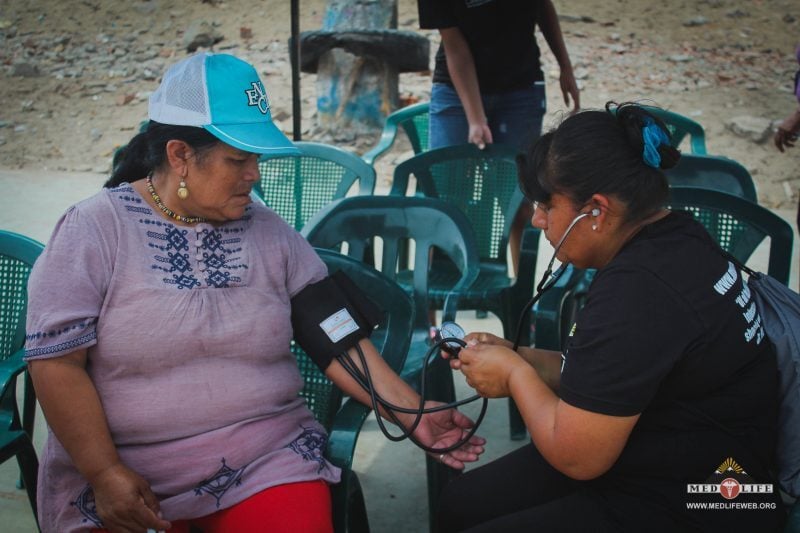
Elevate Your Nursing Career
Stepping into high-volume clinical environments equips you with the adaptability and confidence required for modern healthcare. Prioritizing hands-on nursing experience early in your journey ensures you are fully prepared to deliver exceptional care, no matter how high the pressure.
To learn how you can develop your skills a nurse while also serving low-income communities across Latin America and Africa, fill out the interest form below or download our brochure!