For many pre-med and health-focused college students, volunteering abroad sounds meaningful but unrealistic. Between classes, labs, jobs, and leadership roles, a busy college student schedule rarely leaves room for months away. This is where short-term volunteer trips play an important role. When designed ethically, they allow students to engage in global health and community development without putting academics on hold.
On a MEDLIFE Service Learning Trip, students often spend one focused week working alongside local doctors and nurses in communities where MEDLIFE operates year-round. These experiences are intentionally structured around academic breaks and integrated into long-term programs rather than standing alone.

Why Short-Term Volunteer Trips Matter for Pre-Med and Health-Focused Students
The impact of a volunteer experience is shaped by structure, not duration alone. Thoughtfully planned short-term volunteer trips can provide meaningful learning while contributing to long-term systems of care.
MEDLIFE partners with local physicians, nurses, and community leaders to ensure continuity of care, an essential consideration for students preparing for careers in medicine, nursing, or public health. Health screenings conducted during trips connect patients to follow-up care through existing clinics and referral networks. Community development projects fit into multi-year plans rather than one-time builds. This approach allows students to participate responsibly while gaining real-world exposure to Global Health and Sustainable Development.
Pre-med and pre-health students often explore these dynamics through opportunities such as nurse volunteer opportunities for healthcare students, which highlight how students can learn without practicing beyond their training.

Built Around a Pre-Med Student Schedule
Time is one of the biggest constraints pre-med students face, especially those balancing lab courses, clinical hours, and MCAT preparation. MEDLIFE Service Learning Trips typically last seven to ten days and align with winter break, spring break, or short summer windows. This makes participation realistic even for students balancing demanding majors or part-time work.
Preparation happens over time through campus chapters, where students learn about ethical engagement, public health systems, and fundraising. On the ground, days are structured so students can focus fully on learning and collaboration. For students managing a busy college student schedule, this balance allows participation without sacrificing academic progress.
Academic institutions increasingly recognize the value of structured service learning, as explored in why academic service learning opportunities are essential for top universities.

What Ethical Student Volunteer Trips Look Like for Pre-Med Students
Not all student volunteer trips follow the same model. On MEDLIFE trips, pre-med students do not provide medical care. Instead, they support licensed local professionals by assisting with patient flow, taking vitals under supervision, and supporting preventative health education workshops.
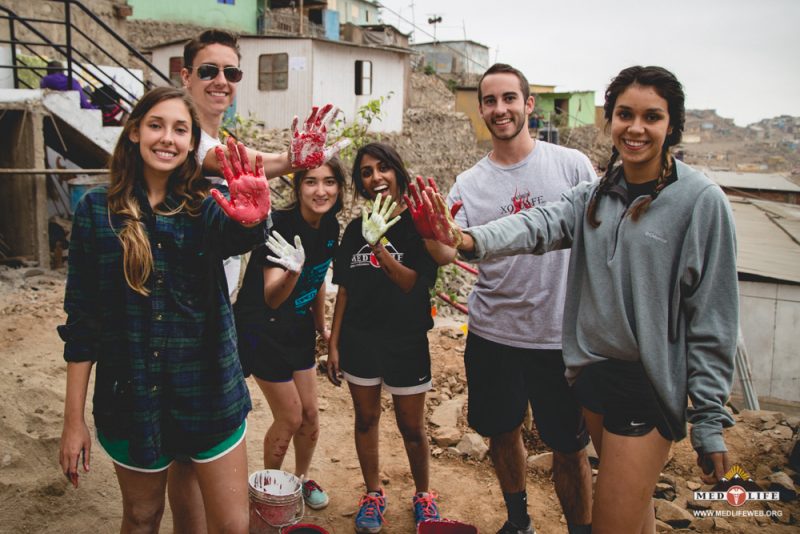
Students also collaborate on community development initiatives using MEDLIFE’s 50–50 model. MEDLIFE supplies materials, while community members provide labor and leadership. Projects such as the community development staircases in Lima, Peru improve safety and access while strengthening local ownership.
This structure reinforces Ethical Volunteering and responsible clinical exposure by centering community expertise and avoiding practices that could undermine patient safety or professional boundaries.

Learning Clinical Humility, Not Heroism
A defining feature of MEDLIFE’s approach is reframing the role of student volunteers. Trips are designed as learning experiences rooted in listening and collaboration. Students gain insight into how poverty, infrastructure, and public systems shape health outcomes.
Many students describe a shift from wanting to help to understanding how long-term partnerships create impact. Reflections like those shared in The Continuum of Care Continues with MEDLIFE illustrate how exposure to follow-up care and local leadership deepens students’ understanding of Community Empowerment.

Long-Term Impact Beyond a Short Trip
Although trips are brief, their outcomes extend well beyond one week. Infrastructure projects can unlock access to utilities and government services. Health screenings can lead to regular follow-up visits, improving long-term outcomes for chronic conditions.
These results are possible because MEDLIFE maintains a continuous presence in partner communities. Students contribute to systems already in place rather than creating parallel efforts. This model ensures that short-term volunteer trips complement, rather than replace, local capacity.
A Practical Entry Point Into Global Health
For many pre-med students, these experiences serve as an introduction to global health, public service, and community-based medicine. Others gain clarity about ethical engagement and responsible service learning. Because the time commitment is manageable, student volunteer trips can be a starting point rather than a one-time experience.
Pre-med students often remain involved through campus chapters, advocacy, research interests, or continued support as donors. Planning resources, such as preparing for your MEDLIFE volunteer trip help students and families understand how these trips fit into academic life.
Making Meaningful Experiences Fit Student Life
Students do not need unlimited time to engage ethically. They need well-designed opportunities that respect both community needs and academic realities. When connected to long-term programs, short-term volunteer trips can fit into demanding schedules while supporting sustainable change.
MEDLIFE – Transformative Travel Experiences
Students interested in learning more can explore upcoming opportunities by downloading the MEDLIFE Service Learning Trip brochure. Supporters can also help sustain these programs by becoming monthly donors through MEDLIFE’s Moving Mountains initiative.