
Wanting to spend your break doing something useful abroad is a good instinct. But not every trip that calls itself service actually serves the community it visits. “Voluntourism” is the name for trips built mainly around the volunteer’s experience: the photos, the feeling of having done good, the line on an application or resume.
During these kinds of trips, the community’s needs come second, if they come at all. Learning to tell the difference between voluntourism and ethical service-learning is one of the most important things you can do before you travel.
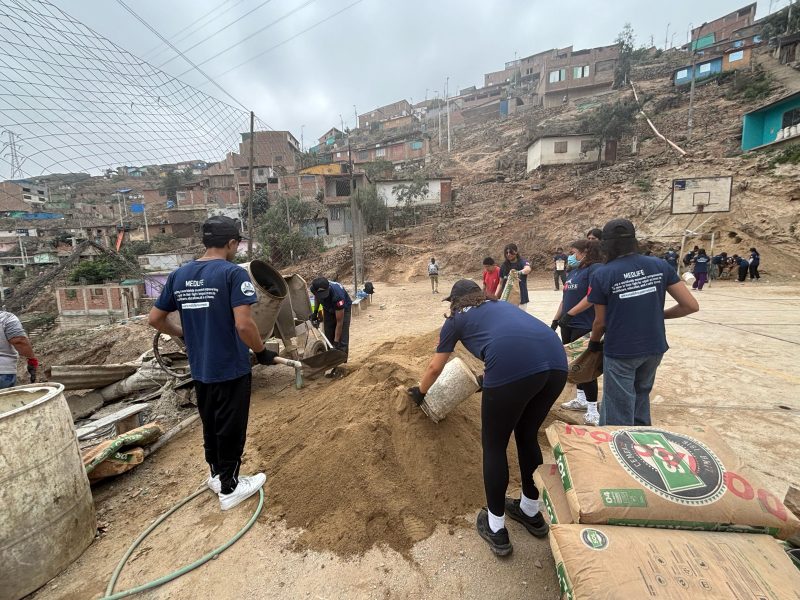
Why Good Intentions Aren’t Enough
Most people who go on these trips mean well. The problem comes from how the trips are designed. Short-term projects that aren’t connected to the input and immediate needs of the communities being served can mean the positive impact of the projects stop the moment the volunteers leave.
A lot of low-income areas don’t have the resources to maintain things like newly built schools or parks once the project is done. That’s why a truly sustainable project looks like seeking out input about the most immediate needs of a community from the people living there and welcoming them to contribute to create a larger sense of ownership.
The Red Flags of Voluntourism
- You’d be doing work you aren’t qualified for. If a program lets volunteers provide medical care or teach classes without training, ask who that arrangement really serves.
- There’s no clear local partner. If you can’t tell who in the community asked for the project, or who keeps it going after you leave, that’s a warning sign.
- The marketing is about you. Watch for promises to change lives in a week, or photos of volunteers posing rather than working.
- Nothing happens before or after. No preparation, no reflection, and no follow-up usually means the trip itself is the product.
Questions To Ask Any Program
Ask these of every organization you’re considering:
- Who decided this project was needed?
- Who keeps the work going after we leave, and how is it funded?
- What will I actually do on the trip, and what won’t I do?
- How will we prepare, and will there be time to reflect while we’re there?
An ethical volunteer program will answer clearly and won’t get defensive. If the answers are vague, take that seriously.

What MEDLIFE Chapters Can Do
MEDLIFE chapters aim to shape how members think about service long before anyone boards a plane. A few habits go a long way:
- Start the conversation early. Talk through these questions before anyone signs up for a trip, not after.
- Prepare together. Learn the history of the place you’re going, some basics of the local language, and the health issues the community is working on.
- Share stories with care. Ask before photographing people, and don’t post images of children or of people in vulnerable moments. Talk about the partnership and the systems behind the problems, not individual hardship.
- Keep serving at home. Local service builds the same habits of listening and showing up, and it doesn’t require a plane ticket.
You don’t have to give up on combining travel and community service. Just make sure that when you go, the community is the one setting the agenda. You’re there to learn and to support work that was underway long before you arrived, and that will continue after you leave.
MEDLIFE’s main philosophy is to involve students and volunteers from around the world to contribute to our year-round service projects in underserved areas across Latin America and Africa. To learn more about how to get involved with MEDLIFE today, fill out the form below or download our brochure!