If you’re thinking about volunteering abroad with MEDLIFE, you probably want to know what the week actually looks like, and who better to tell you than people who have actually gone abroad with us.
Here’s a walk through a typical Service Learning Trip, with from students who’ve gone before.
Before You Go
Most students sign up through their chapter or with friends. That’s how Julia, a student at Eastern Kentucky University, got started. When a close friend signed up for a trip to Cusco, Julia admitted, “I was a little nervous, but I decided that I was gonna tag along.”
Typically if you join through a SLT through a MEDLIFE chapter you get to have some pre-departure preparation through info sessions hosted on campus. However, if you’re joining solo or not affiliated with a chapter, you can also chat one on one with our staff and raise any questions or concerns you may have before your trip. The purpose of getting info about the work you’ll be doing and its cultural context is to help you approach your SLT with cultural competence and the ability to listen and learn.
A Week On The Ground
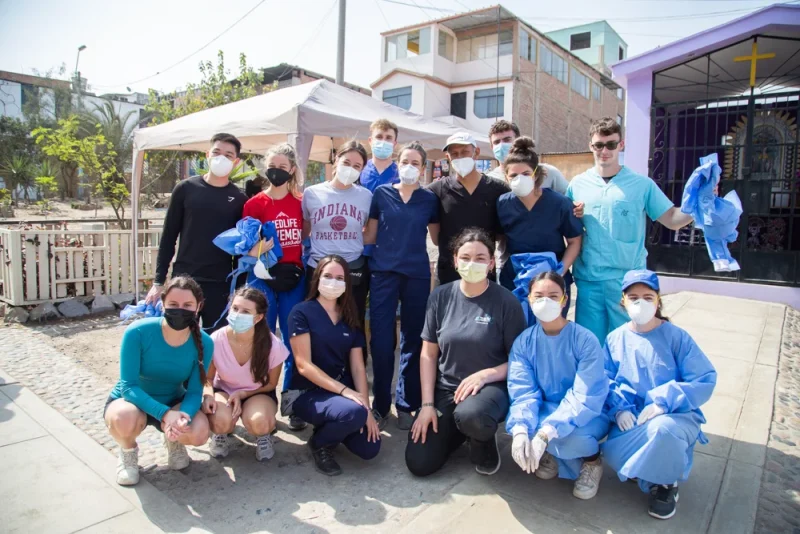
Service Learning Trips are typically one to two weeks long, and they run in Peru, Ecuador, Costa Rica, Guatemala, and Tanzania. During your trip, you’ll spend time in mobile clinics, work on community development projects, and join educational workshops alongside local leaders and professionals.
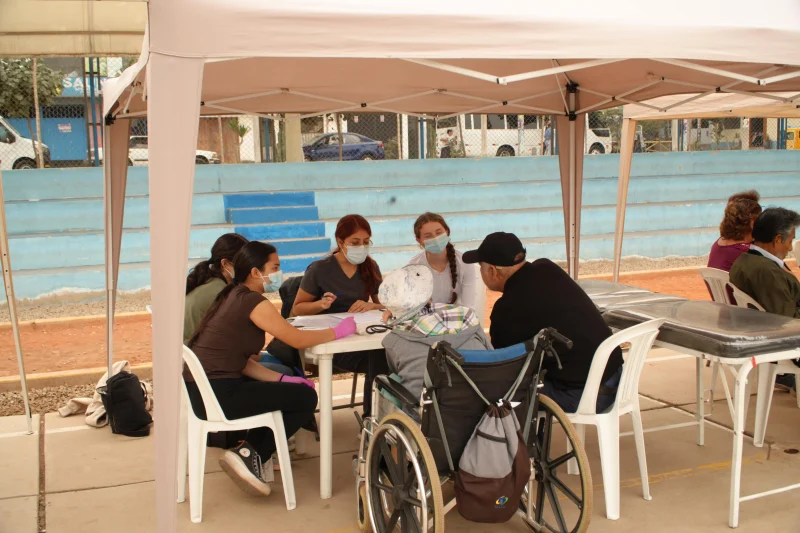
At the clinics, the licensed local team provides the care. The student role is to act as helpers and to shadow the medical professionals. You will guide patients to each station, check them in through triage, and help distribute medicines and prescriptions in the pharmacy station.
Much of what students take away from their experience comes from listening to the team guiding them. On a dental trip, Manishq, an LSU student, watched a local dentist decide which problems to treat first. The dentist also stressed “how important it is to communicate clearly with the patient,” so people know how to prevent future cavities.
On project days, you’ll work with community members on something they’ve chosen and designed. On her trip to Cusco, Adriana worked with community members to build greenhouses for families, which changed how she thought about food and health.
Accomodations
You’ll share dorm-style rooms with other MEDLIFE participants, and meals are provided Monday to Friday of the Service Learning Trip. You will have your weekends free to explore your destination and try different local restaurants and cuisines.
Reflection
Facilitated reflection is a large part of every trip. It’s where you ask the harder questions about why access to care is so uneven, and what your role is as a visitor.
In Tanzania, Leilani heard from patients in their sixties who had never seen a doctor before. It shaped her sense of what lasting support looks like: she concluded the best approach is to “find things that they’re able to utilize regularly.”
This is where the “learning” part comes into “service-learning.” It’s one thing to work alongside underserved communities all day, it’s another to sit down and truly reflect on what you witnessed.
What Volunteering Abroad With MEDLIFE Is Not
It’s not medical training, and you won’t come home with clinical skills. It’s not a week that transforms an entire community, either. MEDLIFE’s partner communities lead their own projects, and local staff keep that work going year-round. You’re there to learn from them and to support work that started before you arrived and will continue after you leave.
It doesn’t have to change your life, either. For example, Leilani said the trip didn’t change her direction so much as confirm it.
What Happens After You Leave
Adriana went on to a second trip the following year, in Costa Rica, this time as her chapter’s trip director. Looking back on her time at the dental and toothbrushing stations, she said the experience “taught me that healthcare is deeply human before it is technical.”
When you share your own story once you return home, keep the focus on what you learned and on the partnership and collaboration that happened between MEDLIFE and the community. Ask before posting photos of anyone you met, and don’t post images of people receiving any kind of medical treatment.
If you’re interested in how you can participate in ethical service learning abroad in countries like Peru, Ecuador, or Tanzania, fill out the form below or download our brochure!