If you’re searching for ways to work with underserved communities abroad, you’ll probably start to run into three terms over and over: volunteering, mission trips, and service learning. They can look similar from the outside, but they do hold some differences. The true differences show up in who decides what work gets done and how participants prepare before stepping into the field. They also show up in what happens after the volunteers go home.
Knowing the difference helps students, educators, and campus leaders choose programs that respect community autonomy and teach something real.
Volunteering Abroad
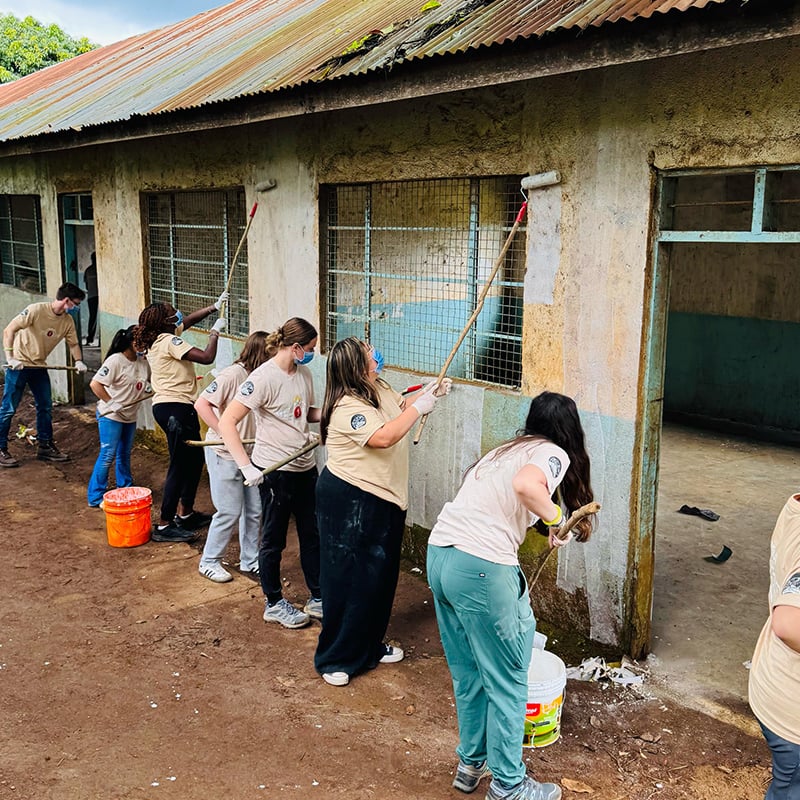
Volunteering abroad can cover a huge range of work, much of it very valuable to the people being served. Short-term volunteer trips abroad usually focus on an immediate need, like helping with food distribution, painting a building, or supporting an organization’s day-to-day tasks.
The limits show up when a trip isn’t tied into local organizations or long-term plans for betterment. A lot of short volunteer trips skip pre-departure preparation and structured debriefing for their participants. Without this kind of reflection, it’s easy to missunderstand the history and economics behind what you’re seeing, and the work can stop once the volunteers leave.
Mission Trips
Mission trips are usually organized by churches or faith-based nonprofits, and they combine service with spiritual goals. They vary widely. Some are short and focused on immediate needs, like distributing supplies; others are part of long-term relationships with communities.
If you’re looking specifically for an academic, public health focus, the useful question isn’t whether a trip is faith-based. It’s how the trip is structured: who leads the work, and whether it includes study of health equity and the social determinants of health.
What Sets Service Learning Apart
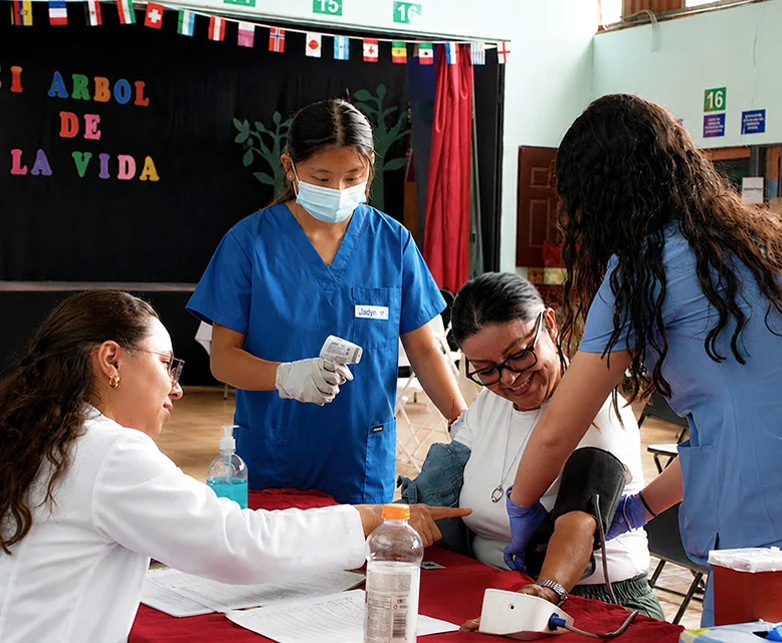
Service learning means pairing community service with academic preparation and guided reflection on the work you are participating in. MEDLIFE’s model is built on a few principles:
- Community-led work. Service supports year-round, locally run initiatives, meaning it responds to the community’s long-term needs rather than a visitor’s schedule.
- Preparation before you go. Participants are prepped in advance through guided info-sessions, pre-departure behavior expectations chats, and have access to the MEDLIFE staff who can provide one-on-one sessions for volunteers and/or parents who have any questions or concerns.
- Cultural humility. Students learn to see host communities as partners and local professionals as the experts and leaders of each project.
- Guided reflection. Facilitated debriefs after every day in the field help students question their own assumptions and think critically about power and access. They also connect what students see in the field to what they’ve studied.
Service Learning vs. Volunteering vs. Mission Trips: Questions To Ask Any Program
Whatever kind of program you’re considering, asking just a few questions can reveal a lot:
- Who decides what work gets done: the community or the organization?
- What happens to the project after you leave?
- How will you, as the participant, be prepared before you go?
- Is there time to reflect while you’re there?
Programs with good answers tend to leave something lasting, for the community and for you.
To see how MEDLIFE answers these questions, explore our Service Learning Trips or fill out the interest form below!