Time away from campus doesn’t have to mean a vacation, though that’s a perfectly good choice.
Some Canadian undergraduates, especially pre-health and public health majors, want their time abroad to connect to what they’re studying back home. Student travel programs built around community partnership can do just that. They let you learn about health equity from the people working on it every single day, while also supporting development work that communities design and lead themselves.
Evaluating Student Travel Programs For Educational Value
Most travel programs for Canadian students is built around sightseeing, which can be an excellent experience. But if you want more than just a tour of the local tourist spots, you might be interested in a travel program that gives back.
When you compare student travel programs offered to Canadians, it’s important to look past the marketing and ask about the organization behind each one: who it works with, and who decides what work gets done.
Ethical programs put local partnership and long-term commitment ahead of surface level projects. They also prepare you before you leave, so you understand the history and economics behind health access in the communities you’ll be serving. The best student travel programs pair preparation with structured reflection during the trip, so what you see connects to what you’ve learned.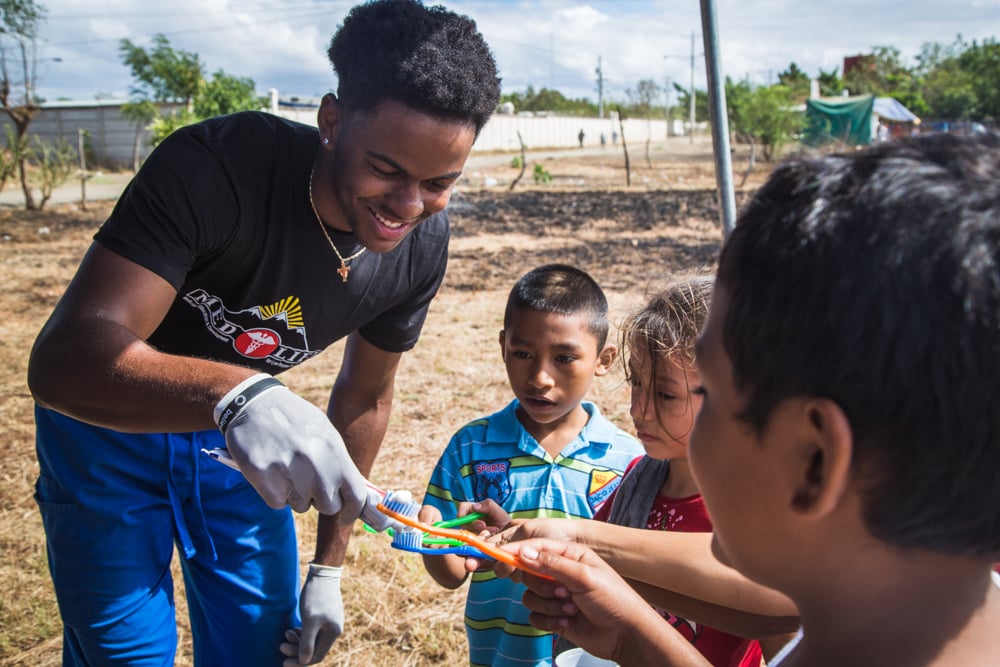
Key Features of Ethical Field Education Programs
Before you commit, look for these key features to ensure you’re looking at the best student travel programs available in Canada:
- Community-led partnerships. The work you’ll be doing supports infrastructure and health initiatives that local health professionals and community leaders run year-round.
- Preparation before departure. Info sessions on global health ethics and regional policy, plus practical language skills and expectations of respectful behavior should be part of the pre-departure process.
- A clear, honest volunteer role. You should know what you’ll do and what you won’t. Volunteers aren’t the care providers; that’s the licensed local team’s job. Participants are simply there to observe and assist.
- Guided reflection. Facilitated debriefs after each day in the field where you process what you saw and question the power structures behind it. They also help to connect the trip back to any related coursework you may be studying back home.
Planning Your Trip Through A Campus Chapter
Going as a group through a MEDLIFE campus chapter takes much of the work out of travel planning as an individual. Chapter members fundraise together, and some even apply for group travel rates or university travel grants where their schools offer them, which makes cost less of a barrier. You also get to know the people you’re travelling with before you leave.
To learn more about MEDLIFE chapters, click here!
Finding Your Best Option
A good program won’t promise to change a community in a week, or to change your career. What it can do is show you how the fight for health equity works in other parts of the world, and why it depends on communities designing and leading their own development.
Explore MEDLIFE’s Service Learning Trips by filling out the form below to see whether one fits your personal travel goals!