When students prepare for a global health outreach experience, they often focus strictly on clinical hours and service metrics. However, true healthcare education requires a much broader lens. Integrating culture, language, food, history, and everyday life into outreach isn’t just an added perk, it is essential for truly understanding the communities we aim to support. Programs centered on cultural immersion service learning ensure that participants develop the deep contextual knowledge required to deliver empathetic, effective care.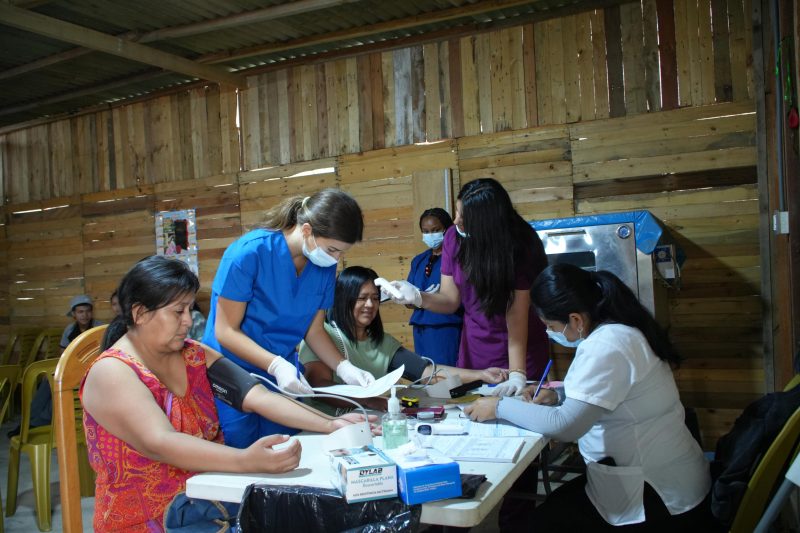
Culture as the Essential Context for Healthcare
Healthcare is deeply personal and inextricably linked to environment, traditions, and heritage. When students interact closely with local cuisine, learn regional expressions, and explore historical backgrounds, they gain critical insight into everyday realities. Understanding why a local diet relies on specific staples, how language shapes health literacy, or how historical marginalization affects institutional trust fundamentally changes how a student interacts with patients in a mobile clinic.
Through cultural immersion service learning, volunteers learn to listen before attempting to solve problems. This practice of cultural humility is what bridges communication gaps, builds genuine trust with host partners, and teaches pre-health students that health outcomes are shaped just as much by social and economic determinants as by biological factors.
The Perspective Shift: What Two Countries can Teach You
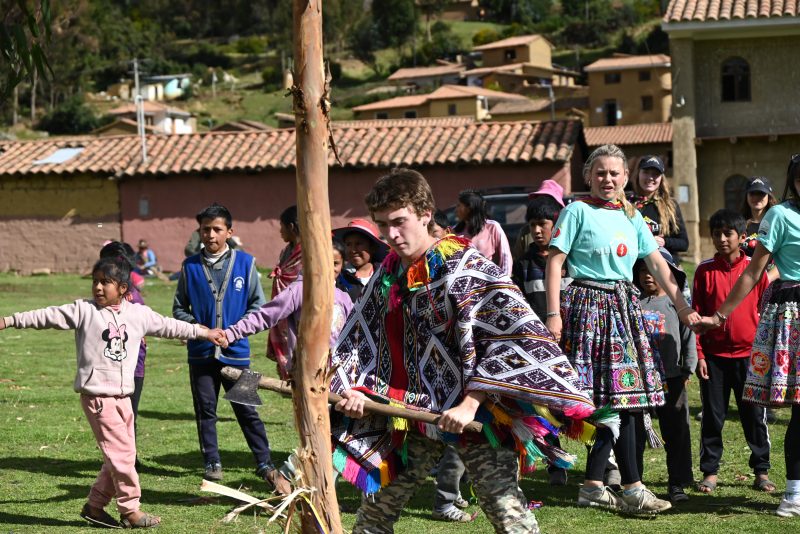
While spending time in a single community offers incredible depth, experiencing two distinct countries within one trip expands one’s perspective exponentially. Comparing community-led health initiatives across different borders reveals how unique political histories, economic structures, and cultural traditions shape global public health landscapes.
For instance, observing community health outreach in Peru alongside similar efforts in Ecuador highlights how two neighboring nations address rural healthcare access in distinct ways. Students get to witness how localized traditions influence health-seeking behaviors and how varying public infrastructure models adapt to geographic challenges. This dual-country perspective prevents students from making broad generalizations about entire regions, encouraging them to analyze healthcare systems with nuanced, comparative critical thinking that cannot be replicated in a single location.
Preparing Culturally Competent Healthcare Leaders
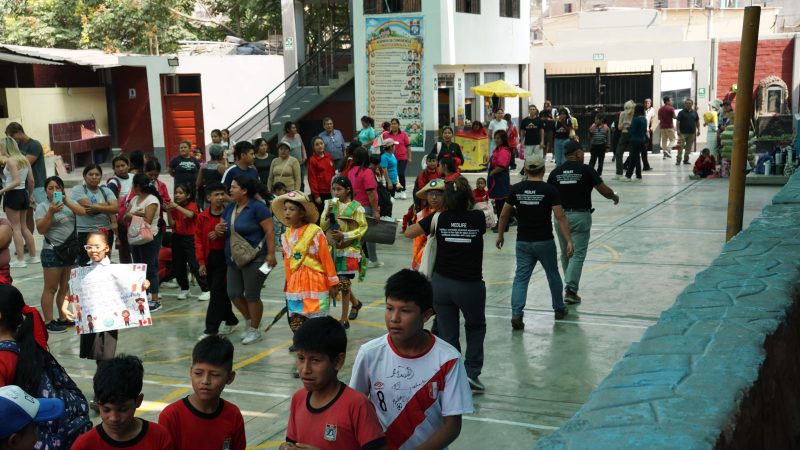
Ultimately, global health challenges do not exist in isolation, and neither should medical education. Combining hands-on service with intentional cultural engagement prepares future clinicians to navigate an increasingly diverse world. By choosing a multi-destination experience anchored in cultural immersion service learning, students get to move beyond basic volunteerism to become thoughtful, adaptable healthcare leaders equipped to advocate for health equity anywhere.
Ready to experience multiple countries through the lens of service? Check out our upcoming trips or fill out the interest form below to get started with MEDLIFE today!