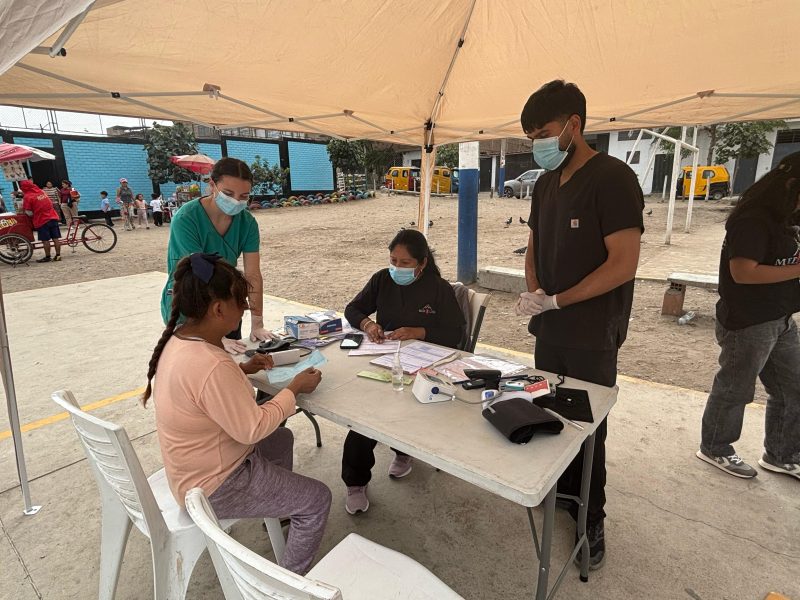
The daily schedule of a Service Learning Trip moves at a rapid pace. Between supporting local clinicians in mobile health clinics, assisting in community development projects, and navigating new cultural surroundings, participants absorb vast amounts of visual and practical information in a short amount of time. Without dedicated time to process these observations, raw field experiences can easily lead to surface-level conclusions.
MEDLIFE purposely integrates structured guided reflection into every Service Learning Trip to ensure that daily field observations transform into analytical insight, helping participants continually challenge early assumptions and interpret what they observe during their time in the field.
Beyond Surface-Level Impressions
Entering a low-resource setting in a foreign country for the first time creates an immediate sensory impact. SLT participants witness resource constraints, geographical barriers, and infrastructure gaps within communities right away. However, observing a clinical reality is very different from understanding the historical, economic, and political factors that created it.
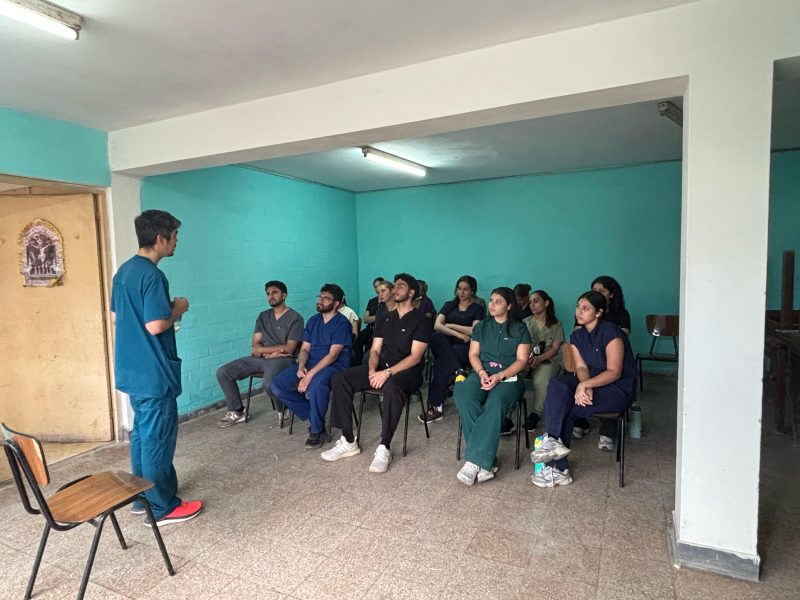
Without structured discussion and reflection, it is easy to assume that a community’s challenges stem solely from a lack of local supplies or medical personnel. Group discussion prompts encourage students to look deeper and create a more nuanced understanding. Sessions led by experienced MEDLIFE staff ask participants to examine systemic issues: How do housing quality and clean water access influence patient diagnoses? What role do regional transport networks play in health outcomes? By proposing these kinds of questions and explaining context about what they just witnessed, daily reflection pushes participants to look past surface level symptoms and analyze root causes.
Practicing Cultural Humility in Real Time
A core objective of MEDLIFE’s experiential field education programs is to cultivate cultural humility; the recognition that visiting participants are learners rather than experts. Practicing daily guided reflection creates a safe, intentional space for participants to examine their own biases and privileges.
During debriefing sessions, students discuss patient interactions, observe local doctor-patient relationships, and evaluate their personal reactions to unfamiliar settings. Staff and trip leaders help participants recognize that host populations and local medical staff possess deep expertise in navigating their own health systems.
This daily practice prevents travelers from adopting a savior mindset, reinforcing that ethical global health work relies heavily on listening to community members and leaders, as well as respecting the autonomy of the people they are there to assist.
From Field Work to Classroom Concepts
Field education should complement, rather than replace, academic theory. Daily discussion sessions serve as the practical link between textbook concepts and real-world application.
When students analyze local public health systems, epidemiology, or social determinants of health in university lecture halls, those concepts can feel abstract and distant from their everyday lives.
Discussing outcomes at the end of a field day allows students to apply academic frameworks directly to what they witnessed hours earlier from a more personal lense. Evaluating how a concrete staircase prevents falls or how follow-up care networks track patients in the long-term reinforces that public health equity requires structural, sustainable investment.
Build Lasting Analytical Skills
The ultimate goal of incorporating guided reflection into field education is to build critically minded healthcare advocates. Processing daily experiences alongside peers and team leaders teaches participants how to evaluate complex situations with nuance, empathy, and analytical rigor.
When participants return home, they carry more than a collection of travel memories. They return with a tested framework for processing complex global issues, evaluating health systems, and practicing continuous self-examination throughout their future medical and public health careers.
To learn how you can join a MEDLIFE service learning trip and participate in guided reflection about complex global health concepts, fill out the form below or download our brochure today!