Stepping into an international health setting for the first time is often an intense sensory and emotional experience. During the first week of outreach, much of a student’s energy goes toward orientation, absorbing new surroundings, and understanding basic clinical workflows. However, extending that journey into a second week fundamentally transforms your perspective. Choosing to join a two-week global health field experience provides the essential time needed to move beyond surface-level impressions, analyze systemic patterns, and develop a grounded understanding of global healthcare.
Moving Beyond First-Impression Overwhelm
The first seven days of any field program are inevitably filled with novelty. Participants are adjusting to a new climate, navigating language barriers, and learning how mobile clinics function on the ground. While this initial exposure is valuable, processing the complex socio-economic factors shaping patient health can prove challenging during those early days.
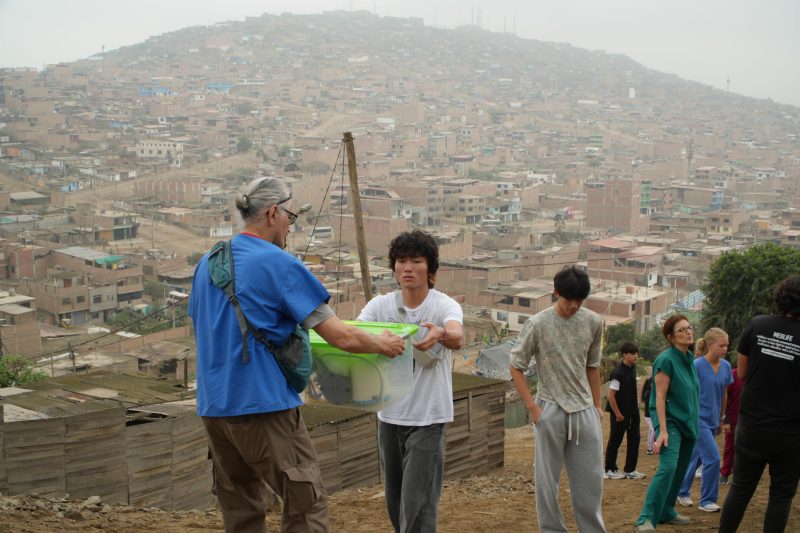
When you remain in the field for a second week, the initial adjustment period fades, allowing deeper observation to take over. You transition from reacting to your environment to actively analyzing it and working within it. With routine clinical operations familiar, you can focus on subtle details: how regional medical staff communicate with patients, how local families navigate resource limitations, and how geographic barriers directly impede long-term healthcare access.
Comparing Systems, Communities, and Realities
The true analytical power of an extended stay lies in comparative observation. A single week provides a snapshot of one specific setting, but a two-week global health field experience allows you to visit multiple partner communities, work across varying regional clinics, or observe different ecological zones within a country.
Experiencing different communities helps prove that healthcare challenges are rarely uniform. You might observe how a high-altitude rural village addresses chronic disease management compared to how an informal urban settlement navigates sanitation barriers. This comparative lens prevents oversimplified conclusions, demonstrating that effective public health solutions must be tailored to the specific historical, economic, and cultural realities of each distinct population.
Witnessing the Continuity of Community Care
A longer timeframe also illuminates what happens before and after a clinical encounter. Short visits can leave participants with an incomplete picture, making healthcare look like a series of isolated events. Remaining on the ground longer helps you witness the full continuum of care, including community health worker follow-ups, patient referral pathways to regional hospitals, and long-term infrastructure projects.
Observing these interconnected systems in action helps teach the necessity of sustainability. You come to appreciate that mobile clinics do not exist as standalone events, but function as fundamental gateways into an ongoing, locally led healthcare network designed to support patient health long after visiting teams depart.
Developing Lasting Professional Insight
Ultimately, a two-week global health field experience delivers far more than just clinical hours or a line on a resume; it encourages critical thinking, adaptability, and lasting cultural humility. By giving yourself the space to observe, compare, and reflect deeply across multiple communities, you build a nuanced foundation that will inform your approach to medicine and public health throughout your career.
To learn how you can join a two-week Service Learning Trip to Latin America or Africa with MEDLIFE, fill out the interest form below or download our brochure today!