
Starting a MEDLIFE chapter takes real work: getting your school’s approval, recruiting an executive board, running fundraisers, and keeping the whole thing going after you graduate. That’s work that can easily go on your volunteer resume and in your applications. The trick is describing it accurately, so prospective employers and schools see what you actually did and what you learned, without overselling it.

Where It Belongs On Your Resume
Most students list a MEDLIFE chapter role under “Leadership” or “Volunteer Experience.” Use whichever section your resume already has, and keep the format simple:
Founder and President, MEDLIFE Chapter, [School Name]
[Month Year] to [Month Year]
If you held more than one role, list the most recent one and mention the others in your bullets. You don’t have to have been a founder or president either. If you were part of a chapter in any way it’s worth mentioning.
Write Bullets That Show The Work
Start each bullet with a specific verb and include numbers you can stand behind. For example:
- Founded the school’s first MEDLIFE chapter and secured approval from administration
- Recruited and trained a [number]-person e-board to lead the chapter after my graduation
- Organized [number] fundraisers raising $[amount] for [project or trip]
- Coordinated a Service Learning Trip for [number] students, including meetings with parents and school staff
Skip vague lines like “passionate about global health.” Admissions readers see that phrase constantly, and it doesn’t show them anything you did.
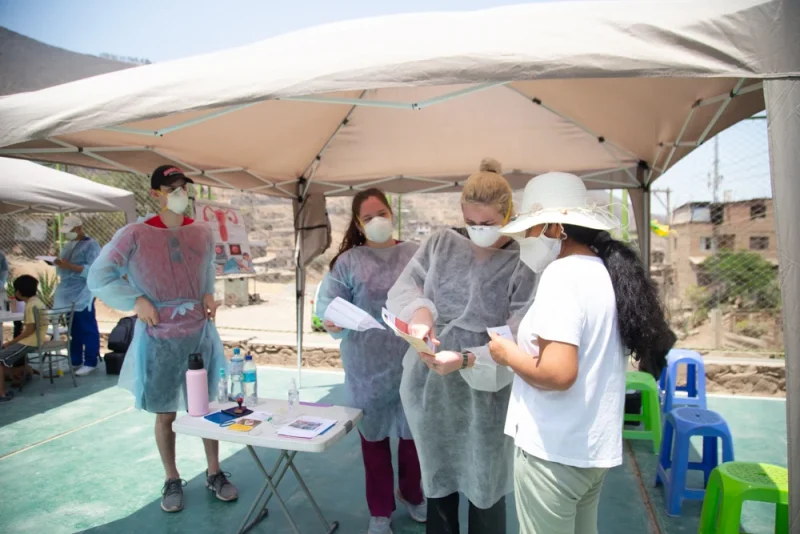
Describe Service Learning Trips Honestly
How you describe a Service Learning Trip matters as much as how you describe the chapter. A few guidelines:
- Use accurate verbs. If you observed at a mobile clinic, write “observed,” not “treated” or “provided care.”
- Credit the people who led the work. Local health workers and community leaders run these projects year-round. Say you worked alongside them.
- Describe what you learned, not what you changed. A week-long trip doesn’t transform a community, and readers know that. A claim like that will raise more questions than it answers.
Bring It Into Essays and Interviews
A resume line tells readers what you did. Essays and interviews are where you explain what it meant.
The best stories usually involve a problem you worked through. Maybe cost kept students from signing up, or parents had questions about safety, or you had to find someone to take over when you graduated. Explain what you tried, what worked, and what you’d do differently in the future.
Many chapter founders find their idea of leadership changes along the way. Being the person who makes every decision often turns out to matter less than listening, communicating, and building a team that can run without you. If that’s true for you, say so.
When you write about the trip, keep community members’ dignity at the center. Don’t use their names, photos, or personal stories without permission, and focus on the systems and the partnership and collaboration rather than on individual hardship.
The goal is to be accurate and honest. If you did the work, describing it plainly is enough.
To learn more about how you can get involved with MEDLIFE to gain an ethical and responsible global health perspective as a student, fill out the form below or download our brochure today!