When a patient and a provider don’t share a language, the true point at the center of every appointment starts to break down and become blurred. Symptoms get described imprecisely, questions go unasked, and instructions don’t stick. Language barriers in healthcare are easy to overlook if you’ve never experienced one, but for many patients, they shape every visit and create a very severe risk of not receiving the most comprehensive care they deserve.

A Patient-Safety Problem
Miscommunication in a clinic isn’t just inconvenient. In one study of six US hospitals, when adverse events happened, patients with limited English proficiency were more likely to be physically harmed than English-speaking patients, and their adverse events were more often caused by communication problems. A misunderstood dose or a missed allergy can have serious consequences.
Why Language Barriers In Healthcare Go Beyond the Visit
The effects don’t end when a patient leaves the exam room.
Consent depends on understanding. A patient can’t truly agree to a procedure they don’t fully understand.
Trust takes a hit. Patients who struggle to be understood may be less likely to come back, ask questions, or share important details.
Follow-up gets harder. Discharge instructions, medication schedules, and referrals all depend on clear communication. When those break down, problems that could have been prevented become harder to treat.
When Kids Become Interpreters
In many immigrant families, children end up interpreting for their parents at medical appointments. One MEDLIFE chapter president grew up doing exactly that for her family. It’s a common experience, and it shows how much families adapt when trained interpreters aren’t available.
But it puts a heavy load on a child. Children may not know medical vocabulary, may soften bad news, or may hear private information no parent would choose to share with them. That’s why health systems are encouraged to use trained medical interpreters instead of relying on family members, especially children.
It’s Not Only An Issue Abroad
Students on MEDLIFE trips often witness language barriers firsthand. One student who didn’t speak Spanish described how hard it was to follow conversations at clinic stations without a translator, and how much easier it became when a local doctor explained each case to her in English.
But the same barriers exist at home. Immigrant and refugee communities in your own city may face them every time they visit a doctor. Some MEDLIFE chapters partner with local organizations that serve those communities, which is a good place to start understanding the problem up close.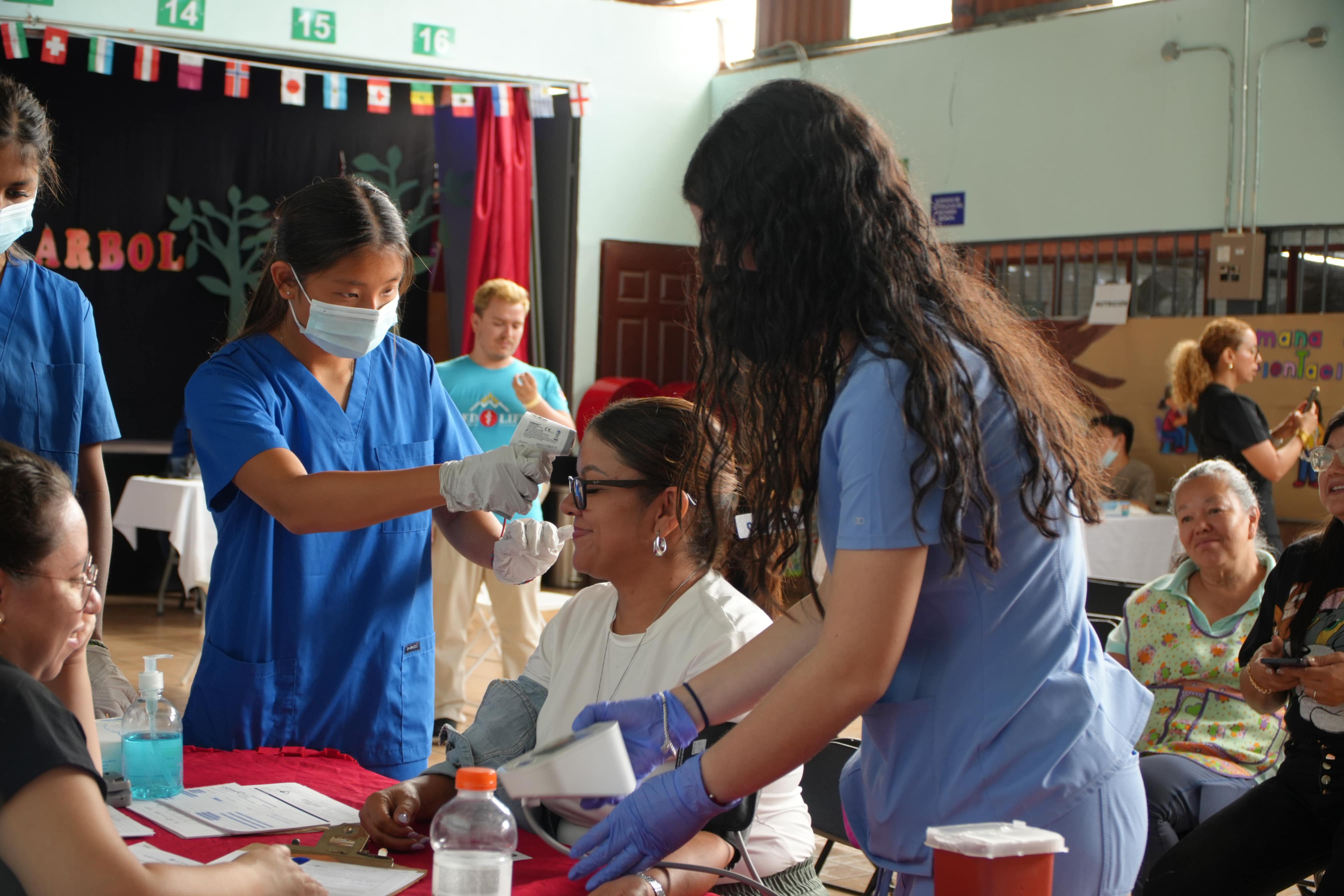
What Future Health Professionals Can Take From This
If you’re planning a career in health care, start now. Learn some of a second language, and know its limits: basic phrases build rapport, but clinical conversations need a trained interpreter. Learn how to work with interpreters, speak to the patient rather than the interpreter, and use plain language. Most of all, listen. Communication is part of care, not something separate from it.
To learn how you can get involved with MEDLIFE today to start working through the barriers of language in healthcare, fill out the form below or download our brochure!