When students step into executive roles within pre-health organizations like a MEDLIFE chapter, leadership is often framed as taking charge, directing initiatives, and driving agendas from the top down. In traditional academic and corporate settings, a strong figurehead commands the room and exudes authority to their orderlies.
However, authentic global health leadership requires an entirely different approach, one rooted in observation, active listening, and partnership. Building sustainable healthcare solutions begins not with dictating answers, but with understanding the lived realities of the communities being served and taking the position of an active listener.

Redefining Leadership Beyond “Taking Charge”
In public health and international outreach, asserting authority without local context often ultimately ends in failure that is rooted in good intentions. To be an effective leader, you need to recognize that health disparities are deeply tied to regional history, economic structures, and geographic barriers. Approaching these challenges with pre-conceived solutions overlooks the essential wisdom held by local residents and regional professionals.
Principled global health leadership flips the traditional hierarchy. Instead of arriving in a community or board meeting to impose a rigid agenda, effective leaders need to prioritize active listening. They ask open-ended questions, observe daily operations, and create space for local voices to define community priorities. By shifting focus from personal authority to collaborative partnership, leaders get to build genuine trust and long-term momentum in the direction of reducing the harsh effects of poverty.
Practicing Cultural Humility in Chapter Governance
This philosophy needs to begin long before students travel abroad. On university campuses, developing student leadership through a MEDLIFE Chapter is the perfect practical testing ground for these principles. Running a successful chapter requires listening to members, working alongside fellow student officers, as well as working collaboratively to understand how to work in global health aid without doing more harm than good.
Integrating cultural humility into daily chapter management operations means acknowledging that no single leader holds all the answers. Chapter executive boards that practice active listening build inclusive environments where diverse ideas thrive. Whether organizing local service initiatives, coordinating public health discussions, or managing fundraising drives, student officers learn that effective advocacy relies on consensus, respect, and shared responsibility.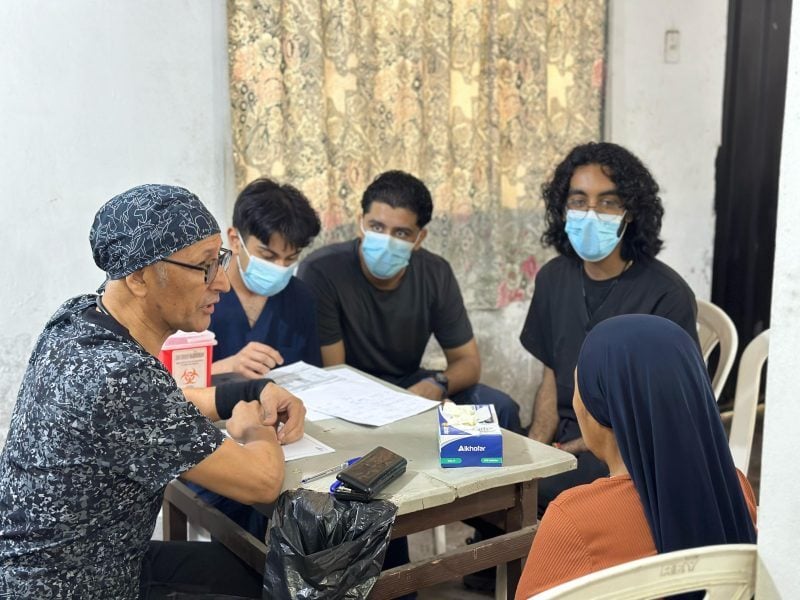
Elevating Community Leadership in the Field
When students transition from campus organizing to participating in field education through a Service Learning Trip, the practice of active listening becomes even more critical. On an SLT, participants do not lead medical clinics or direct construction projects independently. Instead, they work under the direct supervision of regional clinicians, local engineers, and local project organizers.
Ethical community leadership ensures that international outreach supports long-term, locally driven goals. Local doctors understand patient medical histories, regional health workers track long-term follow-up care, and community members design the infrastructure projects that will best serve their families and the over-arching needs of the general local population. Observing and supporting this kind of collaboration teaches students that sustainable progress occurs when external participants serve as allies rather than drivers.
The Foundation of Future Healthcare Advocates
Leading in global health is not about commanding a team; it is about cultivating the patience and self-awareness to listen deeply before acting. By grounding global health leadership in active listening, students build the analytical rigor and foundations required for future healthcare careers. Whether managing a campus chapter or collaborating in the field, learning to listen ensures that your leadership serves the ultimate goal of lasting health equity.
To learn how you can join or start a MEDLIFE chapter today on your campus, fill out the form below!