The modern nursing world now more than ever demands more than just technical clinical proficiency. As healthcare systems become increasingly diverse and interconnected, top-tier hospitals and residency programs are actively searching for nursing graduates who possess a deep cultural humility and understanding, rapid adaptability, and a strong foundation of community-centric care.
While traditional hospital rotations are an essential pillar of your education, participating in international global fieldwork is the ultimate way to accelerate your career and make yourself stand out as a qualified candidate. Stepping out of a highly controlled simulation lab and into a dynamic, low-resource environment rapidly elevates your clinical instincts and reshapes your entire approach to patient care.

Master Patient Care and Adaptability in Real Life
In a standard hospital setting, nursing students often rely heavily on advanced diagnostic machinery and an endless supply of specialized medical tools. However, when you participate in global fieldwork through an organization like MEDLIFE, you learn to rely on your foundational nursing senses.
Working within mobile clinics in places like the informal settlements of Lima, Peru, or rural communities in Ecuador, forces you to sharpen your raw assessment skills. As you rotate through triage, patient intake, and preventative health stations, you learn to listen more intently, observe seasoned professionals, and think critically on your feet. Navigating this unique setting in a foreign country builds a level of clinical confidence and resourcefulness that would take years to develop in a traditional domestic residency.
Bridging the Gap in Community Health and Equity
Nursing is fundamentally grounded in treating the whole person, not just the immediate symptom. Immersive global fieldwork drops you directly into the heart of public health systems in foreign countries, allowing you to witness the social determinants of health firsthand. You quickly see how geographic isolation, lack of clean water, and structural barriers directly dictate a community’s medical outcomes.
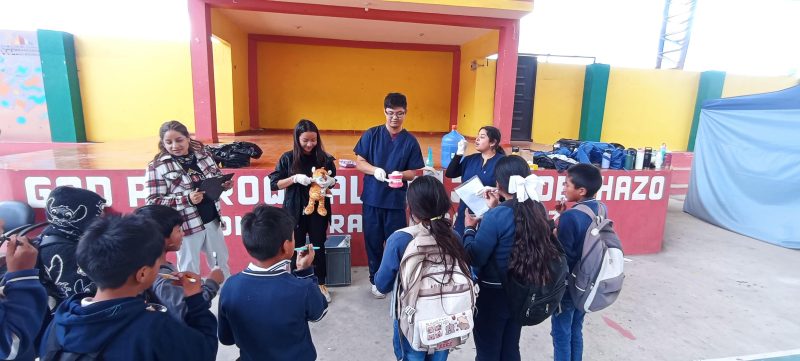
By assisting local practitioners and leading interactive hygiene and wellness workshops for local families, you gain a deep, practical understanding of preventative medicine. This level of perspective is exactly what modern healthcare systems look for; it teaches you to advocate for vulnerable populations and look beyond the chart to understand a patient’s true living reality.
Standing Out in a Competitive Job Market
When you sit down for your first major hospital job interview, your international experience will completely differentiate your application. Instead of reciting the same standard clinical stories as your peers, you will be able to articulate how you successfully navigated language barriers, collaborated with international medical teams, and delivered compassionate care under pressure in a unfamiliar environment. By choosing to step into the field today, you develop the rare cultural competence and clinical resilience that will define you as a leadership-ready nurse tomorrow.
Interested in how you can assist people living in medically underserved areas in Latin America and Africa? Fill out the interest form below or download our brochure today!