A mother postpones visiting a doctor because the nearest clinic is hours away. A father ignores persistent pain because he cannot afford to miss work. A teenager struggles with anxiety after watching a family member’s chronic illness go untreated.
These situations illustrate the close connection between healthcare and mental health. Physical health and emotional well-being are deeply connected, and when people face obstacles to medical care, the effects often extend far beyond physical symptoms.
For communities around the world, improving access to healthcare also means creating opportunities for greater emotional wellness, stability, and hope.

How Healthcare and Mental Health Influence One Another
The relationship between healthcare and mental health works in both directions. Poor physical health can increase stress, anxiety, and uncertainty, while emotional challenges can make it more difficult for people to seek medical care, follow treatment plans, or manage chronic conditions.
Families experiencing financial hardship often face difficult decisions about when to seek care. Delaying treatment may seem necessary in the moment, but untreated conditions can become more serious over time, creating additional emotional and financial strain.
This is why healthcare extends beyond treating illness. It also means reducing uncertainty, supporting prevention, and helping people feel confident that care will be available when they need it.

Understanding the Barriers to Healthcare
Many people living in low-income communities face significant barriers to healthcare that have little to do with personal choices.
Transportation may be unavailable. Clinics may be difficult to reach. Healthcare costs can compete with food, housing, or education expenses. In some communities, unsafe infrastructure makes traveling to medical appointments both difficult and dangerous.
These challenges demonstrate why improving health requires more than expanding medical services alone.
Students participating in MEDLIFE Service Learning Trips learn about the social determinants of health and how factors such as housing, education, income, and infrastructure shape access to care.

Why Medically Underserved Communities Need More Than Clinics
Improving health in medically underserved communities requires long-term partnerships that address both immediate healthcare needs and the conditions affecting everyday life.
MEDLIFE works alongside local healthcare professionals and community leaders to support preventive healthcare, health education, and sustainable development projects designed by the communities themselves.
For example, improving sanitation through safe bathrooms can reduce the spread of preventable disease while also increasing dignity, privacy, and overall well-being. Infrastructure projects such as staircases improve access to schools, workplaces, and healthcare facilities, making it easier for families to receive ongoing care.
Learn why MEDLIFE focuses on projects in medically underserved communities and how these investments support healthier futures.
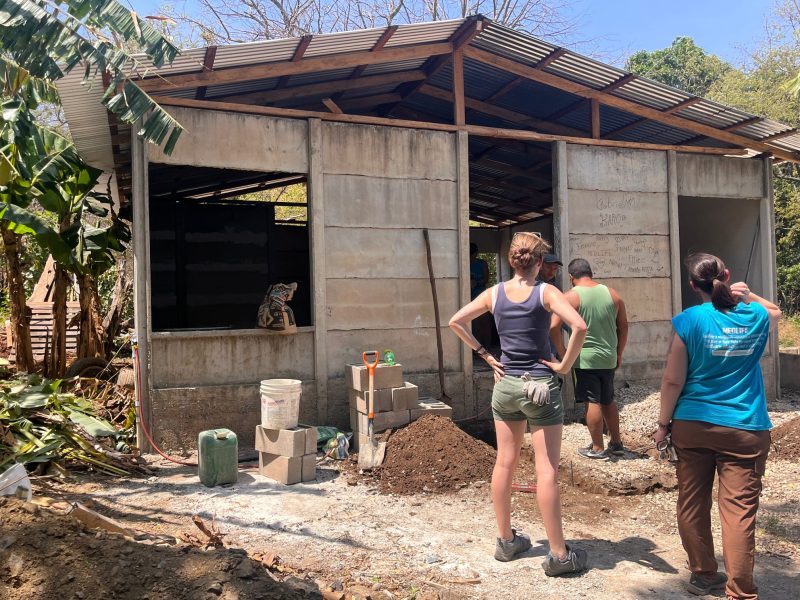
Safe Homes Support Physical and Emotional Wellness
Health begins at home.
Families living in unstable housing often experience ongoing stress that affects both physical and emotional well-being. Concerns about sanitation, structural safety, overcrowding, or access to clean water create challenges that influence every aspect of daily life.
Creating healthier living conditions helps reduce these pressures while supporting stronger communities.
Students quickly see that development projects are not separate from healthcare. They are part of healthcare.
Learn more about why safe homes matter for well-being and their role in promoting healthier communities.
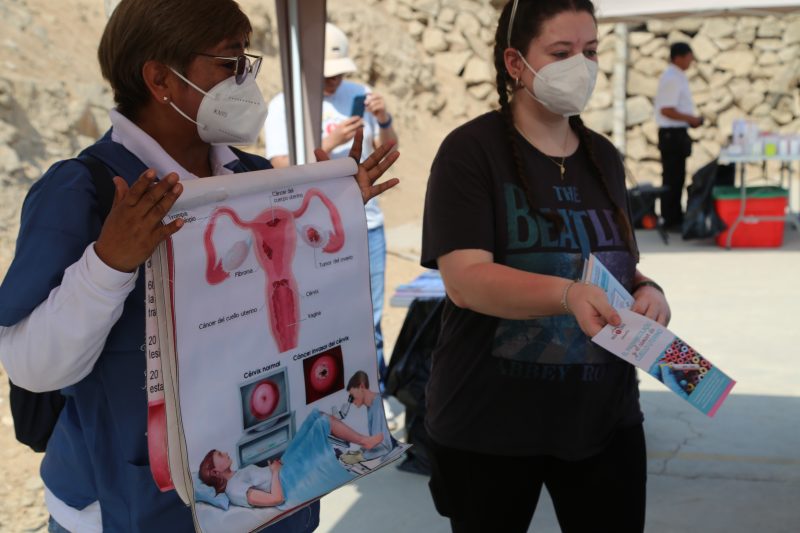
Prevention Strengthens Both Body and Mind
Preventive healthcare plays an important role in reducing uncertainty.
Health education workshops help families understand chronic disease, nutrition, hygiene, and preventive screenings before medical conditions become more serious. Early detection allows patients to access treatment sooner while reducing unnecessary stress about unknown health concerns.
Students working alongside local healthcare professionals witness how education empowers families to make informed decisions about their health.
Discover how health education in underserved communities supports long-term well-being.

Addressing Poverty Improves Overall Health
Healthcare access cannot be separated from economic realities.
Many of the obstacles families face are connected to broader challenges such as limited transportation, unstable employment, food insecurity, and inadequate infrastructure.
MEDLIFE’s holistic approach recognizes that improving health requires addressing these root causes through partnerships with local communities.
By listening to residents and supporting projects identified by community leaders, sustainable improvements create ripple effects that strengthen both physical and emotional wellness.
Learn more about the challenges underserved communities face and how community-led development supports healthier futures.
Healthcare Access Creates Stronger Communities
The connection between healthcare and mental health reminds us that healthcare is about more than treating illness.
When families have reliable access to healthcare, preventive education, and safer living conditions, they gain greater stability and confidence in the future. Communities become healthier because people know where to seek care, trust local healthcare providers, and receive support before small health concerns become larger ones.
Through partnerships with local physicians, nurses, educators, and community leaders, MEDLIFE helps strengthen healthcare systems that continue serving families long after a single clinic ends.
Learn more about MEDLIFE’s medical work and its commitment to long-term, community-led healthcare.
MEDLIFE – Transformative Travel Experiences
Start your journey by downloading our brochure to discover how MEDLIFE Service Learning Trips help students understand the connections between healthcare, education, and sustainable community development.
You can also donate to support sustainable projects and help expand access to healthcare, education, and community development through long-term partnerships. To learn more about the relationship between mental health and well-being, visit the World Health Organization’s Mental Health page.