Over the past two decades, cultural competency has moved from an optional add-on to an explicit requirement in medical education. Accrediting bodies across the United States and Canada now mandate that medical schools and residency programs teach students to care for diverse populations, communicate across cultural lines, and recognize the structural inequities that shape health outcomes.
These efforts reflect a growing recognition of a painful truth: clinicians who fail to understand the lived realities of their patients are more likely to misdiagnose, lose trust, and contribute, often unintentionally, to preventable harm.
Yet even with these requirements in place, evidence shows that medical trainees often enter their careers without the cultural awareness, communication skills, or structural understanding necessary to serve marginalized communities effectively.
The gap between what is required and what is mastered remains wide. And the consequences are measured in unnecessary suffering for minorities, immigrants, and low-income patients across North America.

What Medical Education Requires Today
Medical Schools (U.S.)
The Liaison Committee on Medical Education (LCME), which accredits U.S. MD programs, mandates formal instruction on:
- cultural competency and humility
- health disparities
- racism and bias in clinical decision-making
- social determinants of health
- communication across language, cultural, and socioeconomic differences
Similar requirements exist for osteopathic (DO) programs through the COCA standards.
Residency Training
The Accreditation Council for Graduate Medical Education (ACGME) requires that all residency programs, regardless of specialty, demonstrate that trainees can:
- provide equitable, culturally responsive care
- communicate effectively with diverse patients
- recognize systemic inequities impacting health
- maintain professionalism and empathy with patients of all backgrounds
Specialties like OB/GYN, Emergency Medicine, Pediatrics, and Family Medicine have additional requirements because of persistent disparities in their fields.
Continuing Education
More than 10 U.S. states now require licensed physicians to complete continuing education in:
- implicit bias
- cultural competency
- communication and language access
- inequities in care
These policies reflect a broadening consensus: teaching cultural competency is not optional. It is foundational to safe, effective care.
How Cultural Competency Is Commonly Taught, And Why These Methods Fall Short
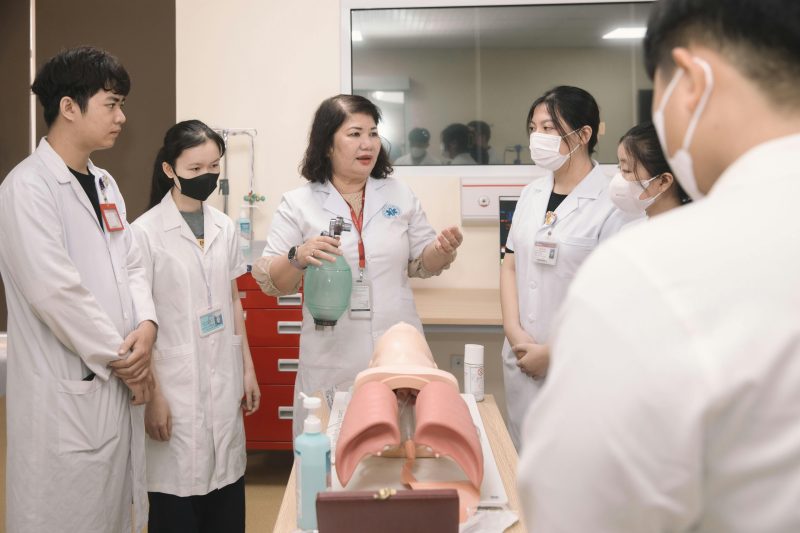
Despite clear mandates, the way cultural competency is taught varies widely. Common approaches include:
- lectures on cultural differences
- online modules for implicit bias
- brief workshops or small-group discussions
- standardized patient encounters
- short lectures on health disparities
These formats check an accreditation box, but they often fail to deliver meaningful behavioral change. Several shortcomings consistently emerge:
A. Training Is Often Abstract and Detached From Real Context
Many programs emphasize facts about cultural groups (“Latino patients may…”), which unintentionally reinforces stereotypes rather than teaching students to listen and adapt to each individual.
B. Students Rarely Practice Deep Listening
Despite being one of the strongest predictors of diagnostic accuracy, deep listening is seldom taught as a clinical skill. Time pressures and performance-oriented testing environments work against reflective, patient-centered communication.
C. Structural Competency, Understanding the Context Behind Illness, Is Underdeveloped
Students may memorize social determinants of health, but few programs give trainees direct exposure to how housing, wage instability, immigration status, or environmental hazards shape people’s daily lives.
D. Skills Are Not Reinforced Long-Term
A one-day workshop on bias does not translate into clinical proficiency. Cultural humility requires repeated practice, lived encounters, and sustained reflection, elements that many programs struggle to integrate.
As a result, the training required by accreditation bodies often does not translate into the competencies needed in real clinical environments.
Are Medical Students and Residents Becoming Proficient in These Skills? The Evidence Says: Not Yet.
Despite decades of increased attention, the data show persistent gaps.
Implicit Bias Persists Across Training Levels
A widely cited 2016 study found that nearly half of white medical students and residents endorsed false biological beliefs about Black patients (e.g., “Black skin is thicker”), and these beliefs directly shaped treatment decisions.
Training alone did not eliminate these misconceptions.
Communication Gaps Continue to Harm Patients
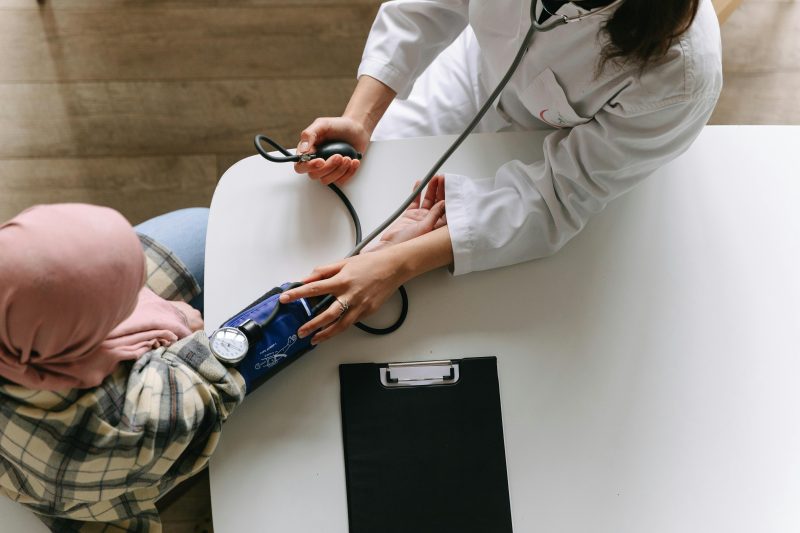
Patients with limited English proficiency experience double the risk of serious adverse medical events, and communication errors remain one of the top causes of preventable harm in hospitals.
Minority Patients Report Lower Trust and Poorer Communication
Across specialties, Black, Indigenous, and immigrant patients consistently report:
- feeling unheard
- feeling dismissed
- having their pain underestimated
- experiencing rushed interactions
These findings correlate strongly with worse clinical outcomes.
Stereotyping and Diagnostic Anchoring Remain Common
Women with heart disease are 50% more likely than men to be misdiagnosed.
Black mothers are 3–4 times more likely to die from pregnancy-related causes.
Both disparities are linked to bias, poor listening, and lack of contextual understanding.
Medical Students Themselves Recognize Their Lack of Preparation
Multiple surveys show that students and residents feel:
- underprepared to care for patients with different cultural backgrounds
- unsure how to integrate social determinants of health into clinical decisions
- aware of disparities but uncertain how to address them in real time
In other words: knowledge does not automatically translate into proficiency.
How These Gaps Connect to Current Inequities in Healthcare
The consequences of inadequate cultural competency training are visible throughout the healthcare system.
Minority Patients Experience Worse Health Outcomes
Black, Latino, Indigenous, and immigrant communities have:
- higher rates of chronic disease
- lower access to preventive care
- worse maternal and cardiovascular outcomes
- shorter life expectancy
These gaps are not due to biology, they are linked to inequities in treatment, communication, and access.

Low-Income Patients Face Structural and Communication Barriers
Housing instability, lack of transportation, unsafe living conditions, and food insecurity dramatically shape health.
Providers who fail to consider these factors may misinterpret non-adherence or misdiagnose symptoms.
Trust in Healthcare Systems Remains Fragile
Historical and ongoing mistreatment has produced deep mistrust, which:
- reduces care-seeking
- increases delays in emergency situations
- worsens chronic disease control
- reduces adherence to medical advice
Cultural humility and deep listening are essential to rebuilding trust.
Systemic Inequities Multiply When Cultural Competency Is Poor
Bias, miscommunication, and context-free care contribute directly to the disparities seen across North America. When clinicians don’t understand patients’ lived realities, care becomes incomplete, inaccurate, and inequitable.
The Path Forward: Why Cultural Competency Must Move Beyond the Classroom
There is a growing consensus among educators and health equity experts: meaningful cultural competency cannot be mastered through lectures alone. It must be learned through:
- immersion in real communities
- repeated practice with deep listening
- guided reflection on bias and assumptions
- exposure to social determinants of health in action
- collaboration with local leaders and patients as experts
These experiences build the kind of humility, contextual awareness, and interpersonal skill that no standardized exam can measure.
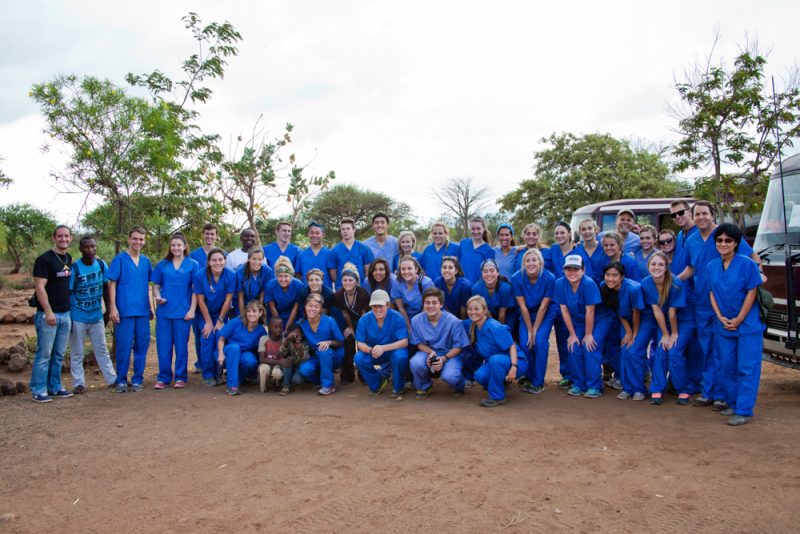
This is where experiential models, like Service Learning Trips that prioritize community partnership, ethical boundaries, and listening-based pedagogy, fill a critical gap in medical education. They transform trainees from passive recipients of information into active, reflective professionals better equipped to serve diverse populations.
Cultural Competency Training Is Required, But Not Yet Achieved
Medical schools and residency programs across the U.S. and Canada have taken important steps toward building more culturally humble and competent providers. The requirements are clear, the intentions are sincere, and the stakes are high.
Yet the evidence shows that formal instruction alone is not enough. Students are still graduating without the skills, context, or confidence to care for minority and low-income patients equitably.
To close this gap, medical education must embrace deeper, experiential approaches that train students not only to learn about culture, but to listen across differences, understand context, and practice humility in every patient encounter.
Because when providers learn to hear what is said, and what is unsaid, they deliver better care for every patient, especially those whose voices have too often been overlooked.
If you are interested in understanding disparities in health outside of a classroom setting, consider joining a MEDLIFE Service Learning Trip. Over the course of one to two weeks, you can travel to low-income areas in Latin America or Africa and assist local professionals in delivering comprehensive healthcare, education, and infrastructure.
To learn how to join, fill out the interest form below or download our free brochure!