Health, on a surface level, is often thought of in terms of doctors, hospitals, and medicine, but the connection between health and infrastructure is extremely critical and often overlooked or misjudged. The conditions in which people live, including access to clean water, safe housing, and reliable transportation, directly shape health outcomes. This is especially true in underserved communities, where gaps in infrastructure can create barriers that make it difficult to prevent illness or access care in timely and comprehensive manner.
How Does Infrastructure Affect Health?
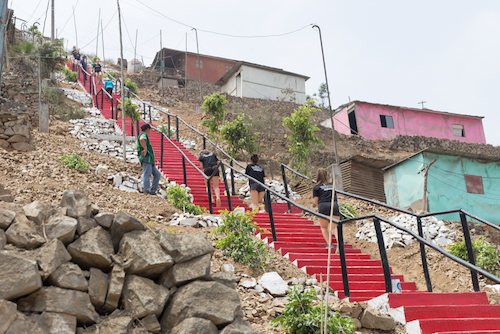
It’s important to look at everyday essentials. Clean water systems help prevent the spread of disease. Safe housing reduces exposure to environmental hazards. Roads and transportation networks make it possible for individuals to reach clinics and hospitals when they need care.
Without these basic systems in place, even the best healthcare services may remain out of reach. For example, a community may have a clinic nearby, but without proper roads or transportation, accessing that care becomes a major challenge. This is why improving health and infrastructure together is essential for long-term impact.
The Hidden Barriers in Underserved Communities
In many underserved areas, like the ones we partner with in Peru, Ecuador, Costa Rica, and Tanzania, infrastructure challenges are not always visible at first glance, but they have profound effects on the health outcomes of residents. Limited access to clean water can lead to preventable illnesses. Poor sanitation systems increase the risk of disease transmission. Inadequate housing can expose families to unsafe conditions that contribute to chronic health issues.
These barriers often overlap, creating a cycle that is difficult to break. When communities lack the infrastructure needed to support healthy living, individuals are more likely to experience illness, and less likely to receive timely care. Addressing health and infrastructure together helps tackle these root causes rather than just the symptoms.
A Holistic Approach to Global Health
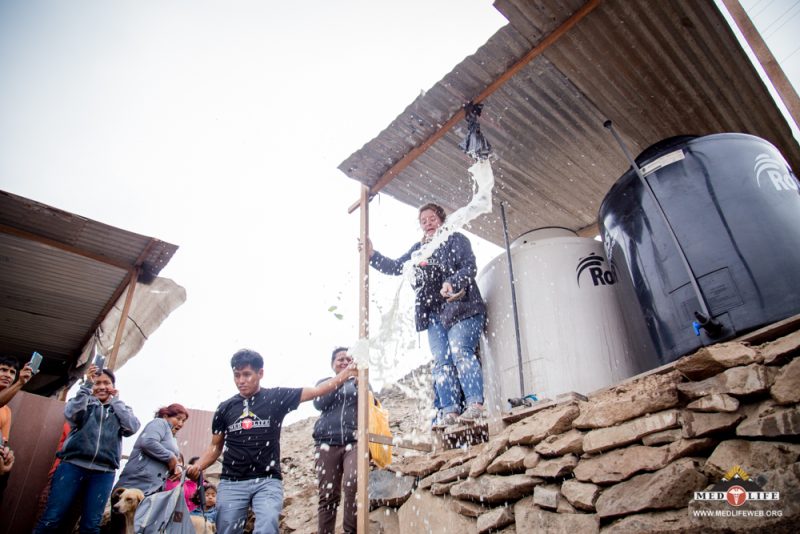
Improving health outcomes requires more than expanding access to medical care, it requires investing in the systems that support daily life. We at MEDLIFE recognize that sustainable change happens when healthcare, education, and infrastructure are addressed together.
By working alongside communities, MEDLIFE helps develop projects that improve access to clean water, strengthen local infrastructure, and support long-term health initiatives. This holistic approach ensures that solutions are not only effective in the short term, but also sustainable over time.
Building Healthier Communities for the Future
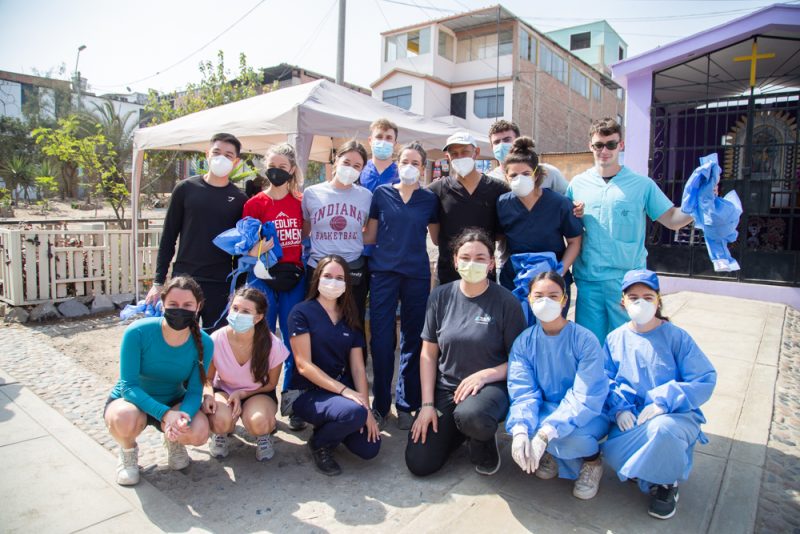
The connection between health and infrastructure highlights the importance of looking beyond traditional healthcare models. When communities have access to reliable infrastructure, they are better equipped to prevent disease, access care, and maintain overall well-being.
Creating lasting change means addressing the environments in which people live, not just the conditions they face when they become sick. By investing in infrastructure alongside healthcare, it becomes possible to build stronger, healthier communities that can thrive for generations.
To learn how you can support infrastructure development in underserved areas across Latin America and Africa to aid in long-term health outcomes, consider joining a MEDLIFE Service Learning Trip! To get started today, fill out the interest form below or download our free brochure.