If you’re considering volunteering abroad with MEDLIFE in Peru, you’re in for an incredible experience! Peru is a country rich in history, culture, and traditions. Before you set off on your journey, there are a few things to keep in mind when it comes to what to know before visiting Peru. From local greetings to cultural customs, understanding the people and the environment will help ensure a smooth and enjoyable time. Here’s your essential guide to Peru’s greetings, customs, and cultural practices.

Peru Greetings: Understanding the Basics
When you first arrive in Peru, you’ll notice that the people are warm, welcoming, and generally eager to engage with visitors. One of the most important things to understand is how Peru greetings work. The most common greeting is a simple handshake, which is typically firm but not overly strong. It’s a sign of respect and acknowledgement, and it’s customary in both formal and informal settings.
In Peru, particularly in rural areas or smaller towns, it’s also common to greet people with a kiss on the cheek, especially among women or between a woman and a man. This gesture of affection is not meant to be intimate but rather a sign of friendship and warmth. Always offer your greeting with a smile and make sure to maintain good eye contact—this shows respect in Peruvian culture.
If you’re in a more professional setting, such as when volunteering with MEDLIFE or meeting with local community leaders, it’s best to use formal greetings like “Buenos días” (Good morning), “Buenas tardes” (Good afternoon), or “Buenas noches” (Good evening). For more casual interactions, “Hola” (Hello) works just fine.


Peru Customs and Traditions: Respecting the Culture
Understanding Peru customs and traditions will go a long way in ensuring you have a respectful and positive experience during your volunteer work. One of the most important aspects of Peruvian culture is respect for hierarchy and relationships. In rural areas, especially, family is central to the culture, and personal relationships are often more important than formalities or business transactions. Take the time to engage with locals, ask about their family and community, and show genuine interest in their way of life.
In Peru, you will also notice a deep respect for their indigenous heritage and customs. The Andean people have rich traditions that are still very much a part of everyday life, such as weaving, traditional music, and farming practices. If you’re volunteering in a rural Peruvian community, take time to listen and learn about the indigenous culture. It’s important to approach these communities with humility and respect for their traditions.
Another significant custom in Peru is the importance of punctuality. While it might be more relaxed in some rural areas, it’s generally polite to be on time for meetings and appointments. If you’re meeting with your MEDLIFE team or local partners, try to arrive promptly to show respect for their time.
What to Expect When Volunteering in Peru
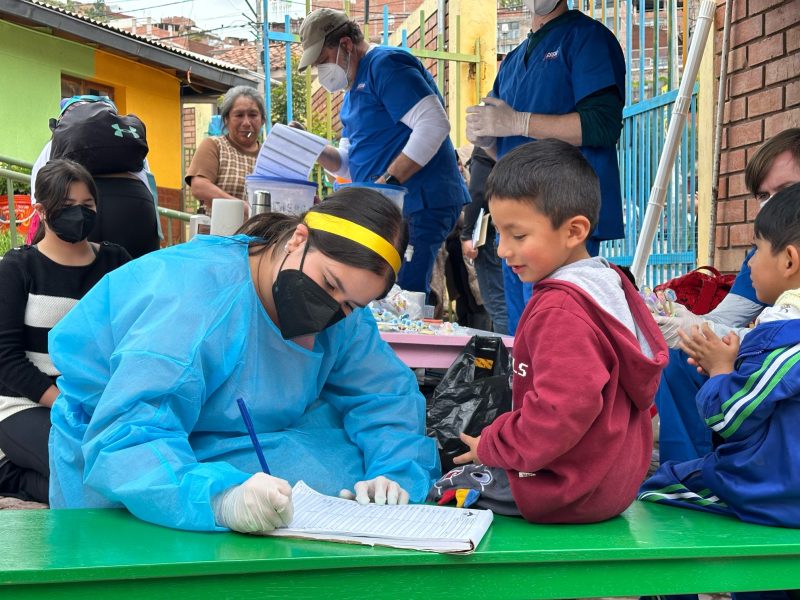
When you volunteer with MEDLIFE in Peru, you’ll likely be working closely with local communities that face barriers to healthcare, education, and infrastructure. As you immerse yourself in the culture, it’s essential to keep in mind that Peruvians have a strong sense of pride in their culture and country. You will find the people to be incredibly resilient and open-hearted, even in the face of challenges.
During your stay, you may be introduced to local customs and celebrations such as Fiestas Patronales (religious festivals), where you will experience traditional dances, music, and food. Embrace these events as an opportunity to bond with the community and learn more about their way of life.
Final Thoughts
In conclusion, what to know before visiting Peru goes beyond just the logistics of travel—it’s about understanding and respecting the culture and customs of the people you’ll be working alongside. The Peru greetings, cultural practices, and deep sense of community will make your volunteering experience with MEDLIFE all the more meaningful. Respecting these traditions will foster strong relationships and make your time in Peru truly memorable.
Considering joining a MEDLIFE Service Learning Trip? You’ll gain hands-on experience with patients while also assisting people in areas that lack healthcare facilities. To learn more, download our free brochure or check out some of our upcoming trips!
You can also directly support our patient follow-up program by becoming a monthly donor to our Moving Mountains campaign! For just the cost of one coffee per month, you can help uplift communities in accessing vital resources.