A student arrives at a mobile clinic in Peru expecting to learn about healthcare. By the end of the day, they have learned something deeper: before meaningful care can happen, someone has to listen.
That lesson is at the heart of cultural humility. On MEDLIFE Service Learning Trips, students do not enter communities as experts. They learn beside local physicians, nurses, staff, and community leaders who understand the language, culture, healthcare system, and lived realities of the families they serve.

What Cultural Humility Means in Global Health
Cultural humility is the lifelong practice of listening, reflecting, and recognizing that no person can fully master another community’s experience. It asks future healthcare professionals to approach patients with curiosity instead of assumptions.
Many students first learn the phrase while comparing cultural competence vs cultural humility. Cultural competence often focuses on gaining knowledge about different cultures. Cultural humility goes further by emphasizing self-reflection, respect, and a willingness to learn from each patient and community.
For students preparing for careers in medicine, nursing, public health, or social impact, this distinction matters.
Explore why competence training is not enough for future clinicians.

Cultural Humility Training Begins With Listening
Meaningful cultural humility training does not happen only in a classroom. It happens when students observe how local professionals communicate with patients, respond to concerns, and build trust over time.
During a Service Learning Trip, students may help with patient flow, assist with health education, or observe screenings for conditions such as hypertension, diabetes, or cervical cancer risk. The learning comes not from taking over care, but from watching ethical healthcare in practice.
A local nurse might explain why a patient delayed care because transportation was too expensive. A community leader might describe how unsafe staircases affect access to school, work, and clinics. These conversations help students understand that health is shaped by far more than symptoms.
Read more about lessons in cultural humility learned outside the classroom.
Learning From Local Experts, Not Replacing Them
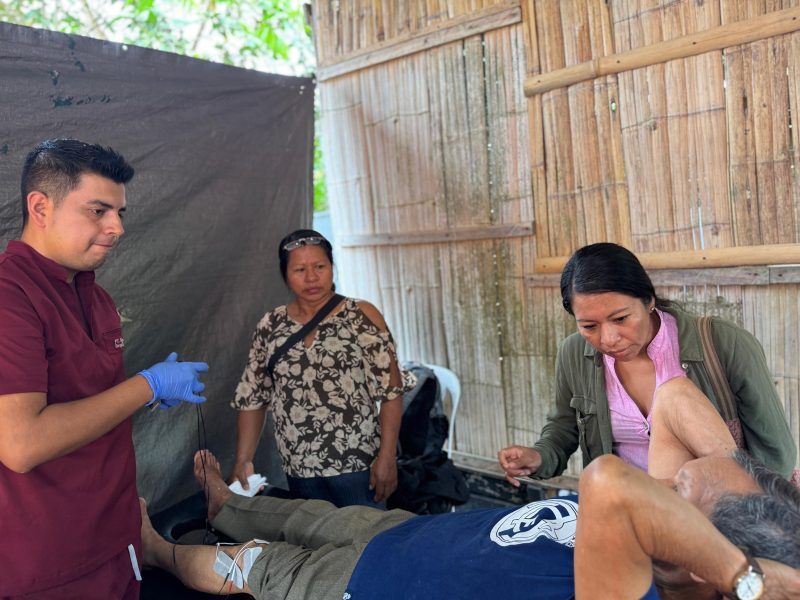
MEDLIFE’s model centers local leadership. More than 90 percent of staff are local, and healthcare services are led by licensed professionals who know the communities they serve.
Students are there to learn, reflect, and support structured activities. They do not replace local doctors or perform tasks beyond their qualifications.
This matters because ethical service requires humility. The goal is not to arrive with answers, but to understand how communities are already working toward solutions.
That mindset helps students move away from savior narratives and toward respectful collaboration.

Cultural Humility Changes How Students See Healthcare
Many students join MEDLIFE because they want hands-on experience in Global Health. What they often gain is a more thoughtful understanding of care.
They see that a patient’s health may be shaped by housing, transportation, food access, income, education, and trust in the healthcare system. They begin to ask better questions. They notice how physicians explain diagnoses in ways that respect a patient’s context. They learn that effective healthcare depends on communication as much as clinical knowledge.
These experiences strengthen cross-cultural communication skills and prepare students to become more reflective healthcare professionals.
Learn why cross-cultural communication skills matter in healthcare.
From Service Learning to Better Patient Communication
A student observing a consultation may notice how carefully a local doctor pauses, listens, and confirms that a patient understands the next step in care. That moment can shape how the student thinks about their future bedside manner.
Cultural humility teaches students that communication is not just about speaking clearly. It is about listening well, asking respectful questions, and recognizing that patients are experts in their own lives.
This is why Service Learning Trips can help students develop stronger doctor-patient communication skills while remaining grounded in ethical boundaries.
Explore how volunteering abroad can support developing doctor-patient communication skills.
Ethical Volunteering Requires Cultural Humility
Service abroad can be powerful when it is structured responsibly. It can also cause harm when programs center volunteers instead of communities.
MEDLIFE avoids one-off missions by building long-term partnerships with local leaders, healthcare professionals, and community members. Projects are designed around community priorities, and follow-up care continues after students return home.
This approach reflects Ethical Volunteering, Community Empowerment, and Sustainable Development in practice.
Students learn that impact is not measured by how much they personally do in one week. It is measured by whether the work supports local leadership, long-term care, and community-defined goals.
Learn more about what ethical volunteering looks like.
MEDLIFE – Transformative Travel Experiences
Start your journey by downloading our brochure to learn how MEDLIFE Service Learning Trips help students grow through ethical service, reflection, and community-led global health work.
You can also donate to support sustainable projects and help expand access to healthcare, education, and development through long-term partnerships.