On the first day of a MEDLIFE Service Learning Trip, many pre-med and global health students realize something quickly. Even with a few semesters of language classes, communicating across cultures is more complex than vocabulary alone. Moments like these are where overcoming language barriers becomes less about fluency and more about humility, teamwork, and listening.
For students pursuing global health, pre-med, public health, or international service pathways, language differences are a real and expected part of the experience. When volunteering abroad is structured ethically, these challenges become opportunities to learn rather than obstacles to impact.

What Are Language Barriers and Why Do They Matter?
Before exploring solutions, it helps to understand what are language barriers. Language barriers occur when people cannot fully understand one another due to differences in spoken language, dialect, literacy, or cultural communication norms.
In healthcare and community development settings, language barriers can affect trust, accuracy, and safety. This is why ethical programs never expect students to work independently across language gaps. Instead, they build systems that prioritize clear communication and local leadership.
Understanding what are language barriers is the first step toward addressing them responsibly.

Overcoming Language Barriers Through Local Leadership in Global Health
One of the most effective ways MEDLIFE supports overcoming language barriers is by working alongside local doctors, nurses, and community leaders who are fluent in both language and cultural context.
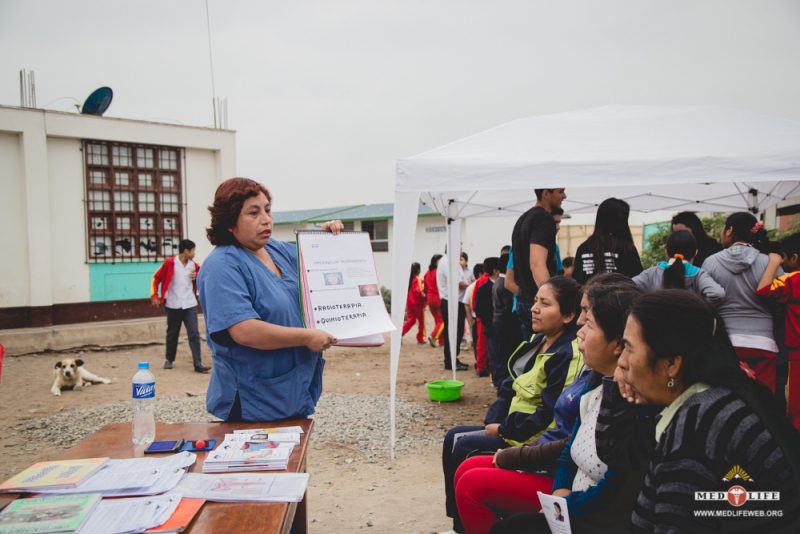
During health screenings, licensed local professionals lead patient interactions while students support behind the scenes, a model reinforced in patient-centered stories such as The Power of Gynecologist and OB GYN Care: Erika and María Cristina’s Stories. This structure ensures that care is delivered accurately and respectfully. Students observe how professional interpreters and bilingual providers communicate complex health information with clarity and empathy.
This model reflects MEDLIFE’s broader approach to ethical service learning, visible across its ongoing Service Learning Trips in Latin America.
Practical Strategies for Overcoming Language Barriers in Healthcare
Pre-med and global health students often ask how they can contribute meaningfully without speaking the local language fluently. Ethical programs rely on proven strategies for overcoming language barriers in healthcare that protect patients and learners alike.
These strategies include:
- Working with trained interpreters and bilingual healthcare professionals
- Using standardized intake forms and visual aids
- Focusing student roles on non-clinical support tasks
- Encouraging active listening and confirmation of understanding
MEDLIFE emphasizes prevention and screenings rather than unsupervised treatment. Programs like the health workshops providing medical education resources in Ecuador demonstrate how education can be delivered clearly through collaboration, visuals, and repetition.

Learning to Listen Beyond Words
Language barriers are not only linguistic. Tone, body language, and cultural norms shape communication just as strongly as words.
Students quickly learn that listening patiently, observing carefully, and asking thoughtful questions are essential skills, similar to lessons highlighted in Helping Women Access Gynecological Care: Santa and Justina. These habits strengthen overcoming language barriers while building cultural humility and ethical clinical awareness. They also translate directly to careers in healthcare, education, business, and public service.
For many students, this experience reshapes how they communicate at home, in classrooms, and in future workplaces.

Why Short-Term Volunteers Are Never Expected to Translate
A common misconception among pre-med and global health students is that fluency is required to volunteer abroad. In ethical programs, this is not the case.
MEDLIFE does not rely on students as translators, a safeguard discussed in parent-focused guidance like A Parent’s Guide to MEDLIFE Volunteer Trips. Interpretation is handled by trained local staff who understand medical terminology, cultural nuance, and patient confidentiality. This protects patients while allowing students to learn responsibly.
By removing pressure to translate, programs ensure that overcoming language barriers remains a shared, supported process rather than an individual burden.

Language Learning as a Long-Term Benefit
While fluency is not required, exposure to another language often motivates students to continue learning. Many students return home with a deeper appreciation for bilingualism and cultural competence.
Resources like Why Pre-Med Students Should Learn a New Language explore how language skills support ethical global health careers over time.
This mindset shift reinforces MEDLIFE’s focus on education and long-term engagement rather than short-term outcomes.
Turning Challenge Into Growth
Language barriers can feel intimidating at first. When supported by ethical structure, they become some of the most valuable learning moments of volunteering abroad.
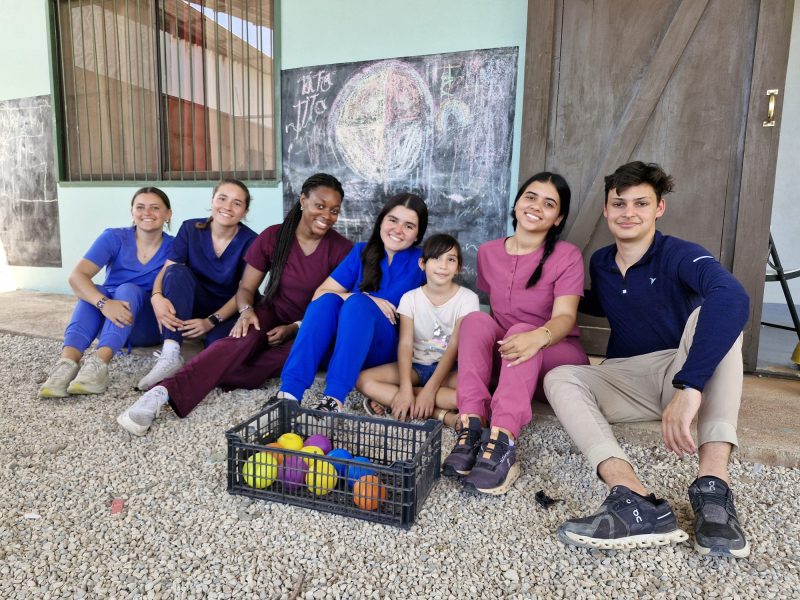
Students gain perspective on equity, access, and communication while contributing within safe and appropriate roles. Communities benefit from continuity, respect, and collaboration led by local professionals.
In this way, overcoming language barriers becomes less about speaking perfectly and more about developing the communication skills essential for ethical global health work.
MEDLIFE – Transformative Travel Experiences
To take the next step, students can start their journey by downloading the MEDLIFE Service Learning Trip brochure to learn more about ethical, short-term service learning opportunities. Supporters can also directly assist communities in need by becoming a monthly donor through MEDLIFE’s Moving Mountains initiative.