Visiting a single partner community during international outreach provides a memorable look into real-world healthcare challenges and low-income community development needs. It provides context that no classroom lecture can match. However, relying on a single data point can inadvertently encourage broad generalizations about an entire region or population. True perspective begins when you step into a second location. Participating in multi-site community-based learning through a MEDLIFE Service Learning Trip creates a powerful comparative lens, shifting participants’ focus from absorbing first impressions to actively questioning them.
The Traps of the First Impression
When participants spend time in their initial clinic setting, they naturally map their observations onto the entire country or health system. If a rural village struggles with clean water infrastructure or medical supply access, it is easy to assume that those exact challenges define every underserved area nearby.
This initial exposure establishes a mental baseline. Students form quick theories about local health-seeking behaviors, community relationships, and resource limitations. While these observations are valid for that specific environment, treating them as universal truths creates oversimplified narratives about global health as a whole. A single location tells a compelling story, but it represents only one chapter of a much broader, multifaceted reality.
A Second Community Challenges Your Assumptions
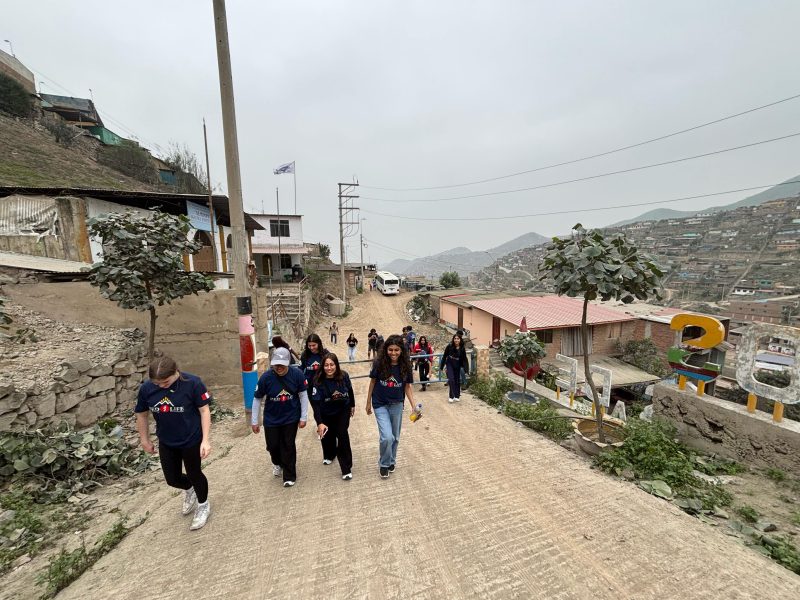
Stepping into a second partner community dismantles those early assumptions. When students observe how a neighboring village or a distinct urban settlement approaches public health, striking differences immediately emerge. A community located just two hours away might face completely different geographic obstacles, possess unique economic drivers, or rely on distinct local leadership structures.
Experiencing this contrast forces you to re-evaluate what you thought you understood. You begin asking deeper questions: Why do health outcomes vary so significantly between these two areas? How do distinct local traditions shape patient trust? This comparative layer of community-based learning teaches students that community development is never one-size-fits-all. It demonstrates that effective healthcare interventions must be tailored to the specific historical, social, and economic realities of each individual site.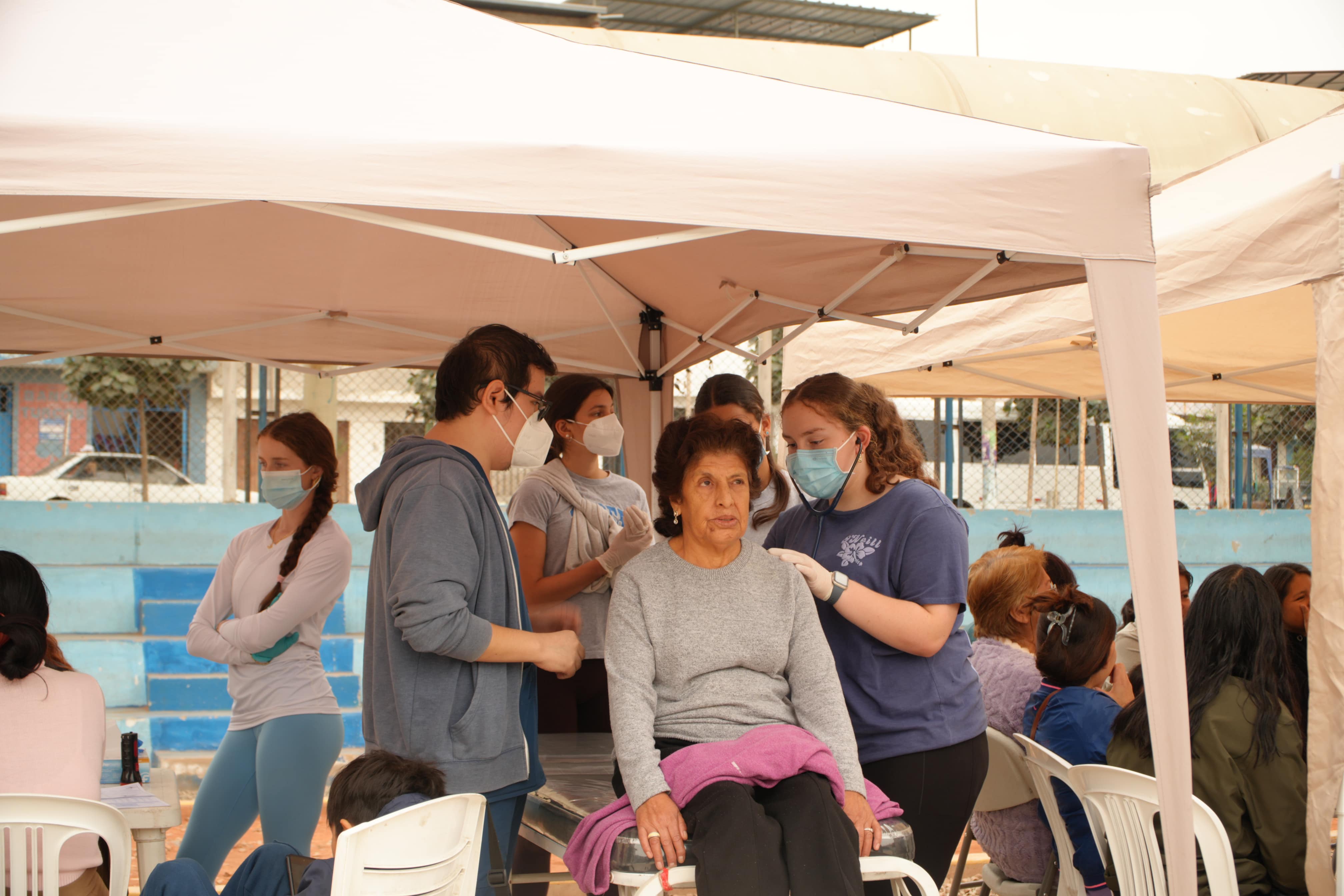
Critical Thinking and Cultural Humility
Moving between partner sites turns passive observers into critical thinkers. Instead of looking for quick, universal fixes, students learn to appreciate the nuance and complexity inherent in global health work. You recognize that what succeeds in one area may fail in the next, reinforcing the vital importance of listening to local leaders who understand their own community’s specific needs.
This process builds genuine cultural humility. It reminds future clinicians and public health professionals that host populations are not monolithic. By challenging premature conclusions, a multi-site Service Learning Trip teaches you to approach every new environment with curiosity, respect, and an open mind.
Expanding Perspective Through Comparison
Ultimately, international outreach should expand your worldview rather than simplify it. Participating in multi-site community-based learning ensures that your understanding of health equity remains grounded, adaptable, and nuanced. By allowing a second community to challenge the story told by the first, you develop the analytical rigor and humility necessary to become a truly effective global health advocate.
To learn how you can join a MEDLIFE Service Learning Trip today, fill out the interest form below or download our brochure today!