Participating in international field education and service introduces students to the complexities of global healthcare delivery, regional infrastructure barriers, and community health access in medically underserved areas. During a standard seven-day itinerary, participants spend most of their time adjusting to new clinical routines, learning partner community protocols, and participating in initial outreach stations. Expanding that commitment into a two week SLT changes what participants can observe, opening up exposure to different environments, multiple partner sites, and the time required to process complex observations about poverty and global health.
Multiple Settings and Diverse Environments
A single-week experience usually confines a group to one primary location or medical clinic setting. While valuable, focusing on a single site offers a limited view of a region’s health-related obstacles, particularly for those living in low-income areas. Remaining on the ground for an additional week allows participants to participate in healthcare delivery and service across varied geographical and economic settings.
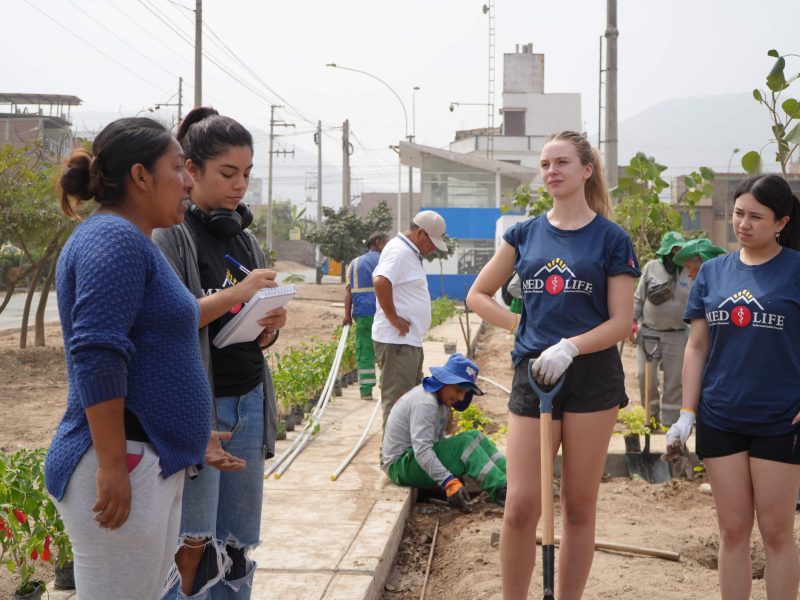
During an extended stay, participants might spend their first week working alongside regional medical staff in an urban informal settlement, followed by a second week assisting in community infrastructure projects in a remote, high-altitude rural village. Experiencing these environmental contrasts side by side demonstrates how geographic barriers, clean water availability, and regional infrastructure directly dictate health outcomes for patients in everyday life.
Comparing Community Perspectives and Systems
Working across multiple communities provides a comparative framework that prevents oversimplified conclusions about poverty, healthcare access, and community infrastructure needs. In one village, patient health may be heavily impacted by agricultural work hazards; in another, challenges might stem from limited transport options to regional hospitals.
A two week SLT allows participants to observe these distinct realities firsthand. Comparing how different local leadership teams organize preventative health workshops, build clean water systems, staircases, and manage patient follow-up care challenges the early assumptions made in the first week. Participants learn that effective public health solutions cannot follow a rigid template, but must adapt to the specific priorities, resource constraints, and history of each community.
Space for Intentional Reflection and Skill Building
The fast pace of a seven-day program often leaves little room to process daily experiences. SLT participants absorb vast amounts of new clinical information while managing daily tasks, leaving minimal space to examine their own observations or evaluate systemic care barriers.
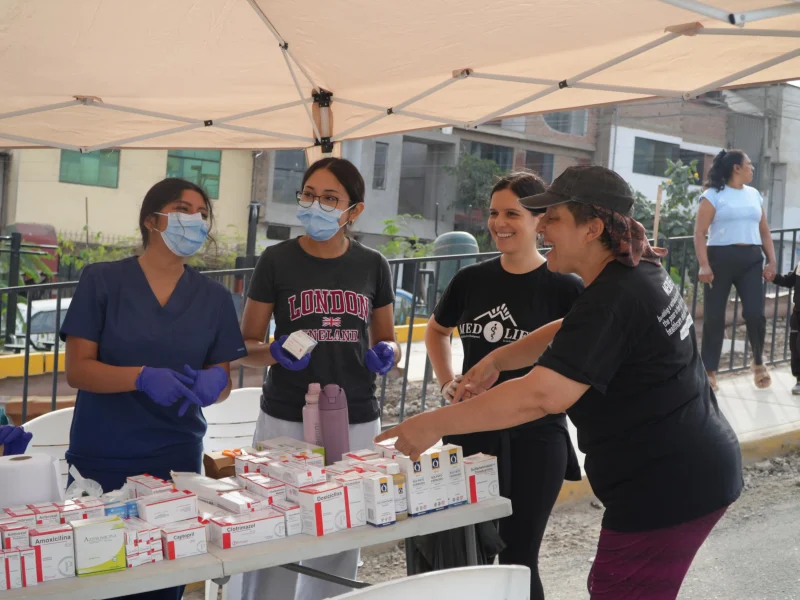
An extended itinerary provides the time needed for structured reflection based on weeks worth of observation. Participants can discuss clinical observations with peers, ask regional doctors detailed questions about long-term patient tracking and referral networks, and unpack personal assumptions. This additional time transforms raw field experience into lasting insight, encouraging the practice of cultural humility and approaching global health work with clear analytical rigor.
Grounded Perspectives for Health Equity
Expanding service learning program length is fundamentally about deepening educational quality and clinical context. Choosing a two week SLT ensures that future healthcare professionals move beyond initial impressions to gain a broad, comparative understanding of community health systems.
By experiencing additional settings, learning from diverse local leaders, and dedicating time to structured reflection, participants develop the practical perspective needed to become thoughtful advocates for long-term health equity.
To learn how you can join a two-week MEDLIFE Service Learning Trip today, fill out the form below!