Returning home from an international field education program often means having a flood of new perspectives, observations, and questions about healthcare access and poverty reduction. While participating in clinical stations and observing community development projects creates a strong foundation, the experience should never remain a single isolated event on your calendar. True growth occurs when you translate those field insights into sustained action on your home university campus. True service learning leadership means ensuring that the momentum gained abroad fuels ongoing education, local outreach, and long-term advocacy for health equity once you return home.
From Field Insights to Campus Advocacy
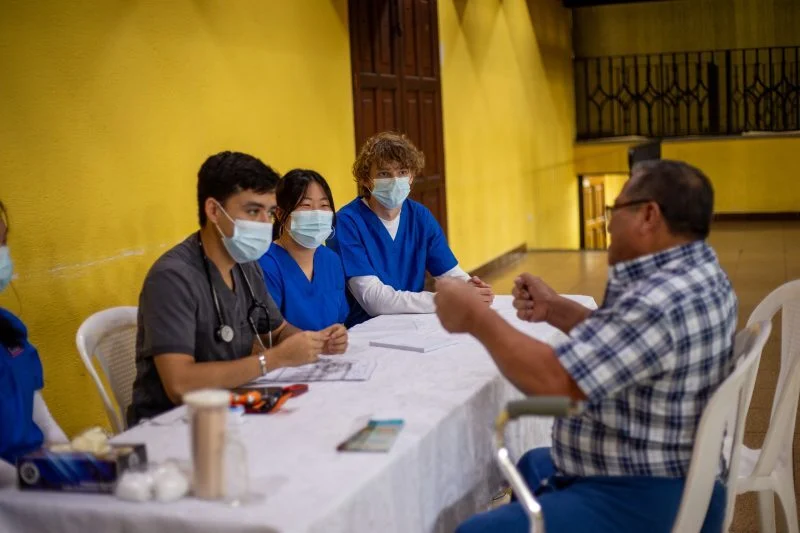
When participants return to life at home or on campus, one of the most effective ways to process their observations is by sharing them with peers. Stepping back into lecture halls provides a fresh opportunity to connect classroom theory with the real-world complexities you witnessed while serving in a country like Peru or Tanzania.
Returning students can lead educational discussions, host debriefing panels, or present case studies during meetings and classes. By sharing observations about regional care barriers, primary prevention projects, and healthcare delivery within underserved areas, you allow classmates to understand the systemic realities of global health equity. This reflective practice turns personal experience into an educational tool for the broader community, demonstrating how utilizing student leadership can drive meaningful dialogue long after a trip concludes.
Channeling Momentum Through Your Chapter
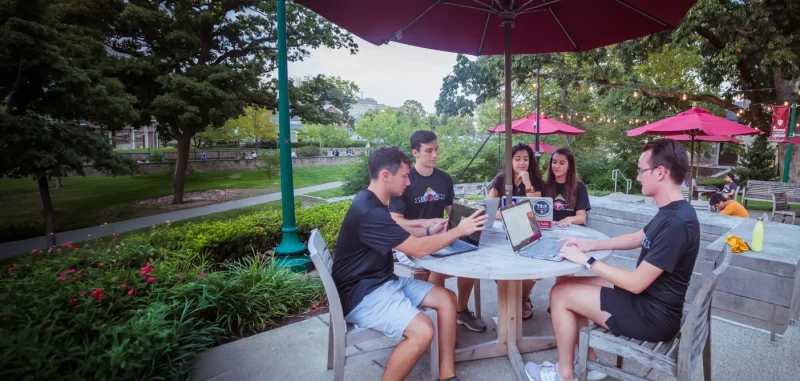
The most effective method for sustaining this momentum is an active campus group. Whether you are expanding an existing global health club or starting a MEDLIFE chapter, taking on a leadership role provides the organizational framework needed to turn individual passion into collective action.
Within a MEDLIFE chapter, participants can step into executive roles, direct committee projects, or coordinate fundraising campaigns for outreach projects in our partner communities. You can apply what you learned in the field to shape chapter programming for the upcoming academic year.
For example, understanding how staircases can prevent injuries or how access to clean water can stop common illnesses in their tracks. Having this knowledge is what can inspire your team to organize targeted fundraisers for specific outreach and fundraising projects. Plus, having first-hand experience makes you an ideal mentor for prospective members who are preparing for their own future field education experiences.
Connecting Global Context to Local Community Action
Effective service learning leadership also means recognizing that health equity challenges exist within your own neighborhood. International field exposure highlights the universal connection between housing quality, nutrition, infrastructure, and healthcare access, realities that affect underserved and low-access communities worldwide.
Returning members can direct their energy toward local outreach initiatives. Partnering with regional free clinics, organizing supply drives for local shelters, or hosting public health education workshops on campus connects global concepts directly to local needs. This dual focus ensures that your chapter remains an active force for service within your own community, demonstrating that meaningful health advocacy begins right where you stand.
Building a Legacy of Health Equity
Leaving an international field education program is not the conclusion of your global health experience; it is the catalyst. By grounding your new-found service learning leadership skills in continuous campus education, local partnership, and chapter mentorship, you can turn a single experience into an ongoing commitment.
Returning to campus with a clear purpose allows you to mobilize peers, support partner communities long-term, and build an enduring legacy of advocacy on your campus.
To learn how you can join or start a MEDLIFE chapter on your campus today, fill out the form below!