A very common critique of short-term global health initiatives is what happens after the mobile clinic packs up and leaves? Are these people only being provided with care this once and then they are left to fend for themselves? Without structured continuity of care, temporary medical relief fails to solve systemic health problems in medically underserved areas. That is why sustained medical outreach is the backbone of the MEDLIFE mission. Our clinics act not as an endpoint, but as the primary gateway to identify patients with serious or chronic illnesses and enroll them into a year-round patient follow-up care program.
By employing local doctors, nurses, and professionals full-time, we work to ensure that initial checkups transition into comprehensive, long-term treatments for medically underserved populations.
Here is how year-round follow-up care transforms short-term medical encounters into long-lasting health equity.

1. Patient Identification and Triage
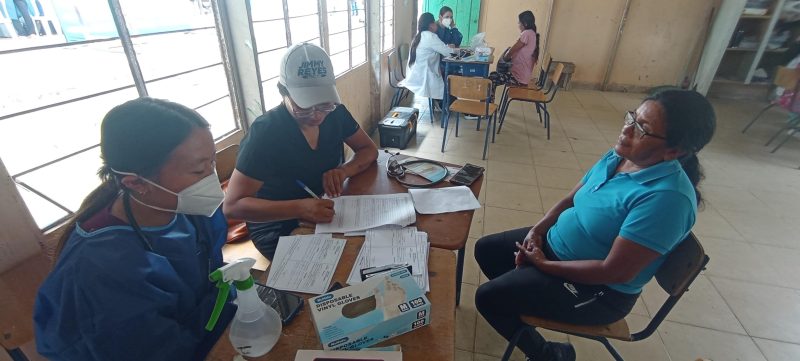
During mobile clinics, Service Learning Trip participants set up in a rural or low-income area and assist medical professionals as they evaluate hundreds of patients, screening for conditions ranging from malnutrition to advanced cancers and chronic hypertension. When a physician diagnoses a complex case requiring specialized surgery or extended therapy, the patient is immediately registered into the follow-up database. Instead of simply providing a temporary prescription, the team establishes a personalized, long-term treatment plan.
2. Navigating the Local Healthcare System
For low-income families, gaining access to medical care involves navigating overwhelming bureaucratic, linguistic, and financial hurdles. Dedicated local staff bridge this gap by handling healthcare logistics directly:
-
Medical Appointments: Staff schedule and transport patients to regional hospitals and specialized urban health centers.
-
Financial Assistance: MEDLIFE covers treatment, diagnostic tests, prescriptions, and surgical costs that patients cannot afford on their own.
-
Translation & Advocacy: MEDLIFE staff accompany patients to visits, offering translation services for indigenous speakers and advocating for fair treatment in national health systems.
- Child care: If a patient is struggling to make medical appointments due to lack of access to child care MEDLIFE staff help supervise children while their parent is at the hospital or a clinic.
3. Home Visits and Preventative Monitoring
Continuous medical outreach requires meeting patients where they live. Local field nurses and social workers regularly conduct home visits in rural settlements to monitor recovery, manage prescription refills, check vital signs, and provide ongoing health education. If a patient’s condition deteriorates, the follow-up team intervenes early to prevent medical emergencies.
4. Addressing Social Determinants of Health
Medical treatment alone cannot cure illness if living conditions remain unsafe. Because health is deeply tied to environmental factors, the follow-up team coordinates with the local community to implement development projects. For instance, if a child suffers from chronic respiratory infections due to open indoor cooking fires, MEDLIFE pairs medical treatment with the installation of a ventilated, eco-friendly stove.
Sustainable Care Over Temporary Relief
The end of a week-long clinic is merely the beginning of a patient’s journey toward lasting wellness. Through continuous medical outreach, our dedicated local professionals ensure that every patient receives dignified, comprehensive care for as long as necessary.
To learn how you can support patients in underserved areas across Latin America and Africa, fill out the interest form below or download our brochure today!