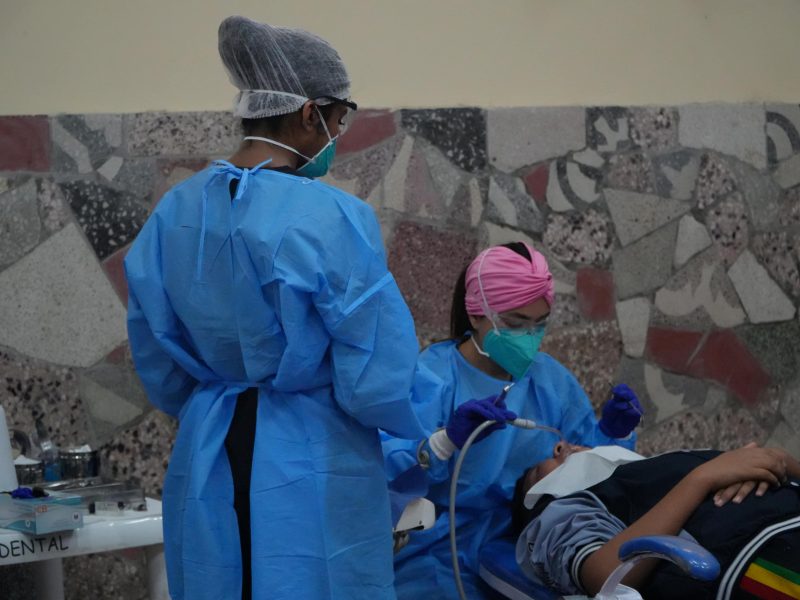
When students picture participating in medical outreach in low-resource settings, the image that usually comes to mind is a mobile health clinic: doctors examining patients, triage stations bustling with activity, and pharmacy teams dispensing medicine. While mobile clinics provide vital clinical access, treating them as the entire solution overlooks the root causes of illness and the solutions that exist within an organization like MEDLIFE. An initial clinic visit reveals immediate medical needs, but a broader global health service learning experience allows students to understand how healthcare connects to housing quality, water infrastructure, education, and regional income.
Finding the Root Causes of Health Issues
A mobile clinic functions as an entry point into a community’s health disparities, addressing acute symptoms and facilitating initial diagnostic care. However, treating a patient’s respiratory infection or skin irritation without examining something like their living conditions addresses only the symptom, not the cause.
Participants who spend extended time in partner communities begin to observe how environmental factors directly dictate health outcomes. In informal urban settlements, for instance, houses built on steep, unpaved hillsides make daily travel hazardous and clean water delivery difficult. In rural agricultural regions, unlined cookstoves and lack of indoor ventilation contribute directly to chronic lung conditions. Realizing that clinical medicine cannot solve structural poverty shifts one’s focus from short-term care to long-term systemic analysis.
Connecting Clinical Outreach to Structural Infrastructure
Structured global health service learning works to bridge the gap between clinical encounters and community-built infrastructure. When students move beyond clinic stations to participate in local engineering projects, such as constructing concrete staircases, installing handwashing stations, or building sanitation facilities, they get to see and understand primary prevention in action.
Building a staircase on a loose dirt slope prevents falls, protects pregnant mothers, children, and elderly residents, as well as allows emergency transport teams to access homes safely. Installing a concrete floor in a home reduces intestinal parasite transmission. Observing these projects alongside local construction leaders demonstrates that civil infrastructure is just as critical to public health as clinical care and prescription.
Examining the Socio-Economic Continuum of Care
Longer immersion also illuminates how economic barriers influence health-seeking behaviors. When families must choose between taking a day off work to travel to a regional hospital or buying food for their household, medical care is often easily delayed.
A structured global health service learning curriculum gives participants the space to study patient follow-up care networks and community referral systems. Participants get to observe how local health workers track patients after a mobile clinic ends, ensuring individuals with chronic conditions receive continuous treatment rather than just a one-day check up. Understanding this continuity of care reinforces that sustainable health equity requires ongoing investment rather than sporadic interventions.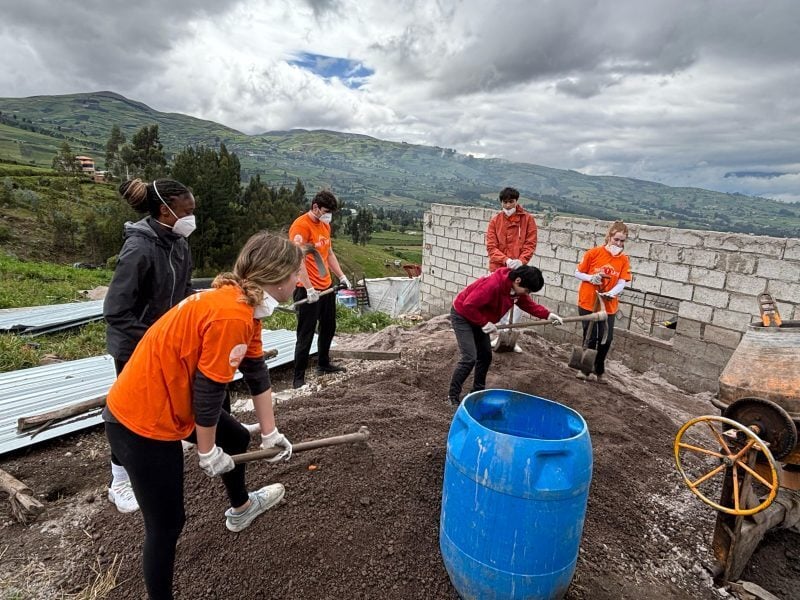
Developing Grounded Advocates for Health Equity
A mobile clinic is an essential tool, but it represents only one chapter of a much more complex story. True understanding happens when students step back to examine how housing, education, transportation, and income intersect to shape community well-being.
By integrating clinical support with infrastructure development and systemic education, future healthcare leaders gain the grounded perspective needed to advocate for structural, long-term health equity.
To learn how you can assist medically underserved populations across Latin America and Africa with MEDLIFE, fill out the form below!