Textbooks are of course an excellent learning tool for laying the foundations of medical knowledge, but they can never fully capture the human reality of working in global healthcare. While traditional academic settings excel at teaching theory and biological mechanisms, true understanding requires stepping outside lecture halls to experience healthcare delivery as it exists on the ground, especially in global contexts. When you participate in field education, the world transforms into a classroom driven by direct observation, critical comparison, and intentional reflection.
Grounding Theory in Direct Observation
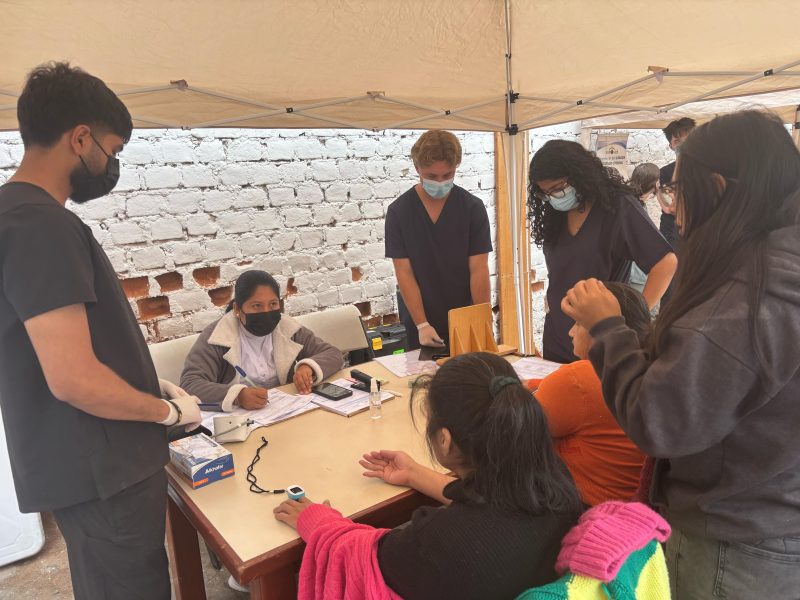
Relying solely on classroom data often reduces complex global health challenges to abstract statistics and isolated case studies. Experiential learning changes this dynamic by placing future healthcare leaders directly within partner communities. By observing mobile clinics in action, shadowing local clinicians, and witnessing community-built infrastructure projects, participants gain an immediate, real-world understanding of how social and economic factors shape public health outcomes, especially in medically underserved areas.
Direct observation compels you to look beyond symptoms and identify the systemic barriers affecting patient outcomes. Watching local medical staff manage supply limitations or witnessing community health workers navigate complex geographical obstacles provides practical insights that no lecture can convey. This proximity builds genuine empathy, sharpens clinical intuition, and provides a grounded perspective on health equity.
Sharpening Judgment Through Comparative Analysis
Immerse yourself in diverse healthcare environments, and you quickly realize that public health challenges demand nuanced, adaptable solutions. Interacting directly with different communities across underserved regions allows students to compare how distinct cultural, economic, and geographic factors influence health-seeking behaviors and clinical access.
Analyzing how various communities approach clean water access, preventive education, or chronic disease management prevents broad, oversimplified assumptions. This comparative approach sharpens critical thinking, demonstrating that sustainable progress depends on locally led initiatives tailored to specific regional needs rather than rigid, one-size-fits-all models.
Gaining Experience Through Structured Reflection
Observation and comparison offer true value when paired with deliberate, structured reflection. Immersive field education is not simply about collecting travel experiences or resume lines, it is about actively examining how those moments challenge your worldview and shape your professional ethics.
Daily reflection encourages participants to practice cultural humility, acknowledging that community residents and local providers hold the true expertise regarding the complex healthcare needs within rural and low-income communities. Unpacking these experiences helps future clinicians move past heroic narratives, building the adaptability, self-awareness, and respect required for ethical medical practice.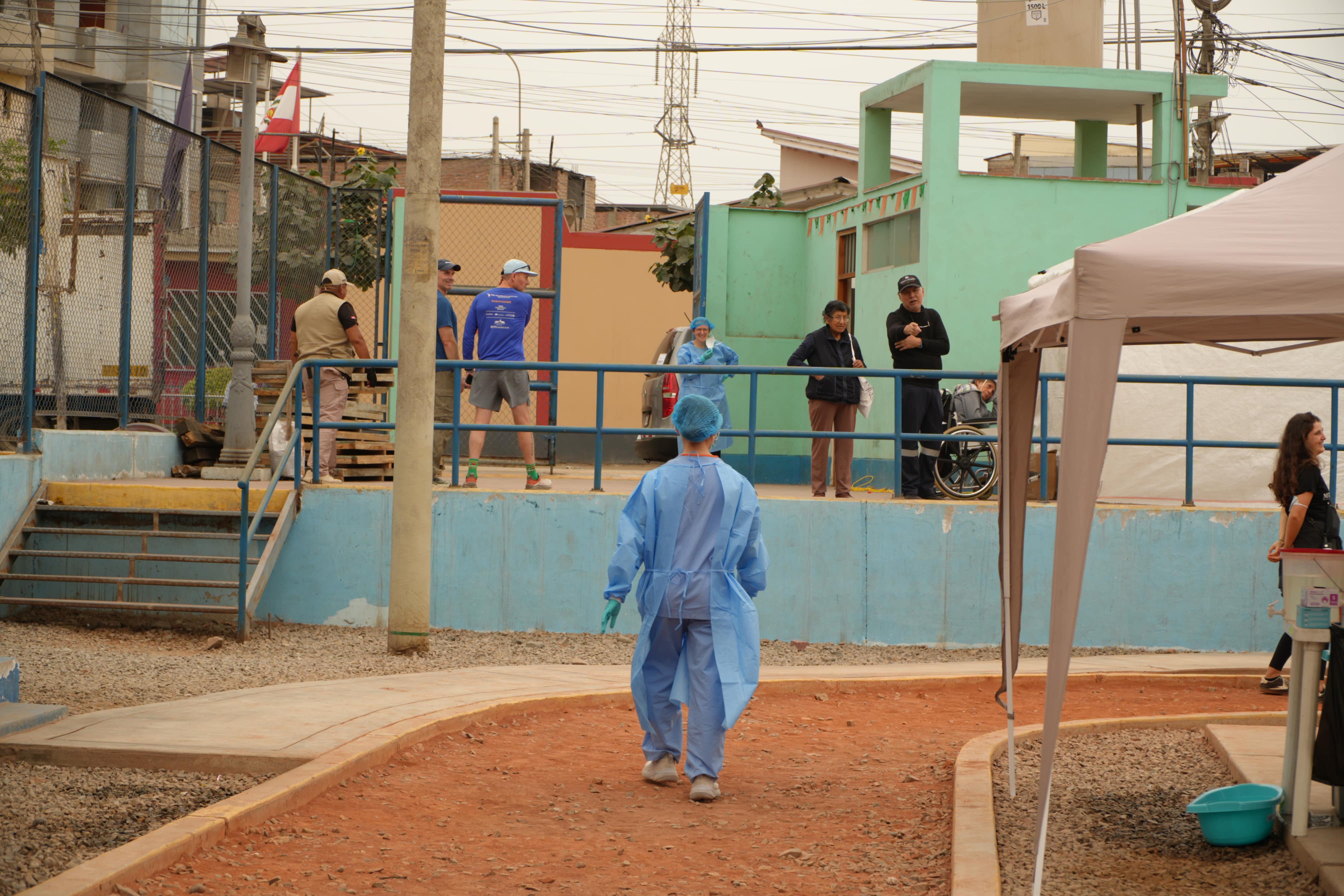
Redefining Medical and Public Health Training
Stepping beyond conventional classrooms bridges the gap between academic preparation and compassionate, effective care. Through field education, students build the cross-cultural competence, analytical rigor, and ethical foundation essential for tackling global health disparities.
When the world becomes your classroom, learning evolves into a dynamic, lifelong commitment to service. Combining direct observation, comparative analysis, and deep reflection equips tomorrow’s leaders with the humility, vision, and insight needed to drive lasting community uplift.
To learn how you can experience field education in global context with on a Service Learning Trip with MEDLIFE, fill out the interest form below or download our brochure today!