
Sending a high school student abroad for global service work is a huge step toward building the foundations for personal growth, cultural awareness, and college readiness. That being said, as a parent, your top priority is always safety when it comes to your child. When you’re evaluating volunteer opportunities for teens, it is completely natural to feel hesitant about international travel for your child. From emergency protocols to local staff supervision, understanding how ethical organizations manage their programs is essential to ensure you feel comfortable letting your teen go abroad.
Here is what parents need to know when evaluating global service programs to ensure their child has a safe experience.

Comprehensive In-Country Supervision and Safety Protocols
The foundation of a safe program lies in full-time, professional oversight. Reputable organizations should never expect high schoolers to navigate a foreign country alone. Responsible volunteer abroad programs for high school students provide dedicated staff members to guide student groups through every step of the trip, including transportation to and from the airport, to and from projects, and supervision in exploring the city or town they are staying in. At MEDLIFE, high school level participants on Service Learning Trips are accompanied by full-time staff, local field coordinators, and experienced group leaders 24/7.
Key safety measures parents should expect include:
-
Vetted Accommodations and Transportation: Secure lodging with night security and private, professional transportation for all project sites and airport transfers.
-
Emergency Medical Access: Direct access to local healthcare facilities and emergency protocols established in advance in case of emergency.
-
Clear Communication Channels: Daily check-ins, group messaging, and 24/7 emergency lines for parents back home.
Ethical Boundaries and Controlled Field Environments
Safety also means protecting students from situations beyond their skill level. In any ethical program, high school participants work strictly within an age-appropriate scope of practice.
For example, when students volunteer in South America in a MEDLIFE Mobile Clinic in Peru or Ecuador, their role is purely educational, observational, and assistance-based. High schoolers shadow licensed local doctors and nurses, assist with logistical setup, patient registration, and leading community health workshops on hand-washing or oral hygiene. They do not perform medical procedures by any means. Operating within defined boundaries ensures patient safety while also protecting young volunteers from unnecessary risks.
Establlished Community Partnerships
A program is only as safe as its relationship with the host community. Organizations that work in isolated, temporary “pop-up” locations face unpredictable environments and risk doing more harm than good.
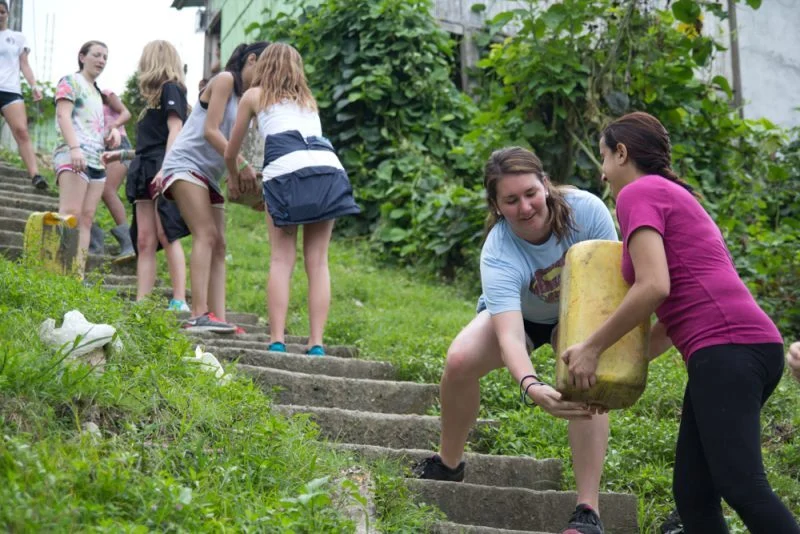
Choosing established volunteer opportunities for teens means joining programs rooted in long-term local trust and partnership. MEDLIFE works exclusively in communities where we maintain year-round partnerships that involve collaboration with local leaders and our staff on things like mobile clinics, health workshops, patient follow-up care, development projects, and more. Because of the ongoing trust and familiarity established within a community, volunteers enter welcoming, secure environments alongside trusted staff to “assist rather than save.”

Peace of Mind for the Journey Ahead
International service can be a defining milestone for young people, allowing them to build independence and empathy long before they head to college. By choosing programs that prioritize 24/7 supervision, ethical field standards, and permanent community partnerships, parents can confidently send their children on MEDLIFE’s volunteer opportunities for teens.
Interested in how your teenager can assist low-income communities while building confidence and empathy? Explore how to join a MEDLIFE Service Learning Trip to Peru, Ecuador, Costa Rica, Guatemala, or Tanzania by filling out the interest form below or downloading our brochure today!