
When volunteering abroad, it’s essential to understand the historical context and cultural diversity of the country you are visiting. For volunteers traveling to Costa Rica with MEDLIFE, it’s important to learn about the indigenous people of Costa Rica and the impact of colonization on their culture, traditions, and modern-day challenges. Understanding the history of Costa Rica’s indigenous tribes allows volunteers to approach with respect and cultural sensitivity when providing medical care.


A Rich History of Indigenous People & Culture
The indigenous people of Costa Rica have a history dating back thousands of years before the arrival of European colonizers. These communities were very diverse, with each tribe possessing its own unique language, customs, and social customs and organization. The indigenous peoples thrived in their respective regions, with a overarching theme of living in harmony with the land. Among the largest and most well-known Costa Rica indigenous tribes were the Bribri, Cabécar, Maleku, and Ngöbe-Buglé, to only name a few.
-
Bribri and Cabécar Tribes: Located primarily in the Talamanca Mountains, these two groups are considered Costa Rica’s largest indigenous tribes. The Bribri people are known for their deep connection to the rainforest and their agricultural practices, and are also one of the formally recognized Indigenous peoples of Panama.The Cabécar, often considered a branch of the Bribri, have a similarly strong bond with the natural world, including natural medicine, and are renowned for their sustainability practices.
-
Maleku Tribe: The Maleku are the smallest indigenous group of Costa Rica and reside in the northern part of the country, with an estimated 600 people living on the reserve. They are recognized for their distinct culture, language, and vibrant ceremonies.
-
Ngöbe-Buglé Tribe: Living primarily on the western side of Costa Rica and part of Panama, the Ngöbe-Buglé are known for their agricultural traditions and strong community bonds. A recent development of significance is the efforts by organizations like UNHCR in ensuring the people of this tribe have Costa Rican nationality in order to receive access to full rights and services of the country.


The Impact of Colonization
Costa Rica’s indigenous population faced significant upheavals and ethnic cleansing with the arrival of Spanish colonizers in the 16th century. The indigenous peoples endured violence, displacement, loss of culture, and forced labor, which decimated many tribes. Colonization also led to the spread of diseases and the destruction of their cultural and spiritual practices, leading to a rapid decline in these indigenous populations.
Despite all this, indigenous communities in Costa Rica have managed to preserve many of their traditions and cultures, though they continue to face marginalization to this day. The people of these tribes and communities were largely excluded from the political and social development of the country for centuries and were often sanctioned to remote regions, away from the central economic and political power in Costa Rica. This displacement is a direct cause of many of these rural communities facing many barriers in accessing things like healthcare, education, and comprehensive infrastructure. This is why MEDLIFE works with these communities.
Understanding Cultural Beliefs
As a MEDLIFE volunteer, it’s important to always be aware that the indigenous peoples of Costa Rica may hold different cultural beliefs, especially when it comes to medicine and healthcare. For example, many indigenous communities place a high value on natural and traditional forms of healing, using herbs, rituals, and spiritual practices. When interacting with patients from these communities, volunteers should approach medical care with humility and respect for these cultural differences.
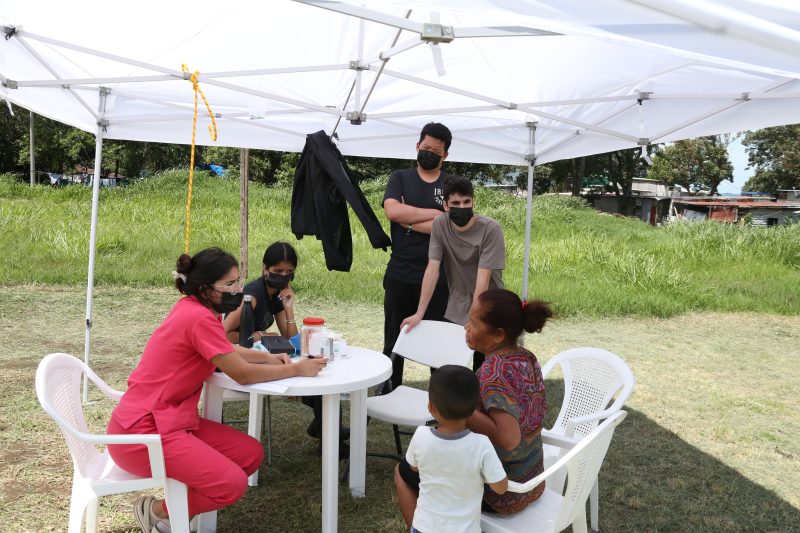
It’s crucial that our volunteers remain open to learning from these patients and their communities, recognizing that traditional practices play an important role in their identity and well-being. Our job is not to come into these communities, prescribe western healthcare, and leave. This is not only unsustainable, but goes against what some of our patients believe in. This is why we hire local healthcare professionals to do the hands-on care, leaving the volunteers to learn and shadow alongside them.
Understanding the history of the country you are volunteering in and respecting its people’s cultural values helps foster a more sustainable and trusting relationship between MEDLIFE and the communities we serve.
Volunteering in Costa Rica is a unique opportunity to learn about and connect with the indigenous people of Costa Rica. By understanding their history, culture, and the impact of colonization, foreign volunteers can approach their work with greater cultural sensitivity and respect. When participating in community outreach healthcare programs, it’s vital to always remember to respect cultural beliefs, especially when it comes to medical practices.
To learn how you can volunteer abroad in Costa Rica with MEDLIFE, fill out the interest form below or download our free brochure!
You can also directly support our community outreach by becoming a monthly donor to our Moving Mountains campaign. For the cost of just one coffee per month, you can help fund our mobile clinics, educational programs, and infrastructure improvement projects in underserved communities across Latin America and Africa. To learn more, click here!