A mother in rural Peru visits a MEDLIFE Mobile Clinic after months of delaying care for her chronic pain. The clinic provides an initial consultation, but her healthcare journey does not end there. She still needs transportation to future appointments, access to affordable medication, follow-up support, and healthcare professionals who understand her community and language.
Moments like these raise an important question.
What actually makes a healthcare system effective?
Many people assume that effectiveness is measured only by the number of hospitals, doctors, or medical technologies available. While those resources matter, strong healthcare systems depend on much more than infrastructure alone.
An effective healthcare system must provide preventative care, long-term follow-up, education, culturally informed treatment, and equitable access for vulnerable populations. It must also address the structural barriers that prevent people from receiving consistent care in the first place.
Across many regions involved in healthcare in Latin America, underserved communities continue to face obstacles including transportation barriers, healthcare shortages, financial limitations, and limited access to preventative services.
At MEDLIFE, addressing these challenges means building healthcare systems that prioritize sustainability, local leadership, and long-term community partnerships.

Effective Healthcare Systems Prioritize Prevention
One of the clearest signs of an effective healthcare system is its ability to prevent illnesses before they become emergencies.
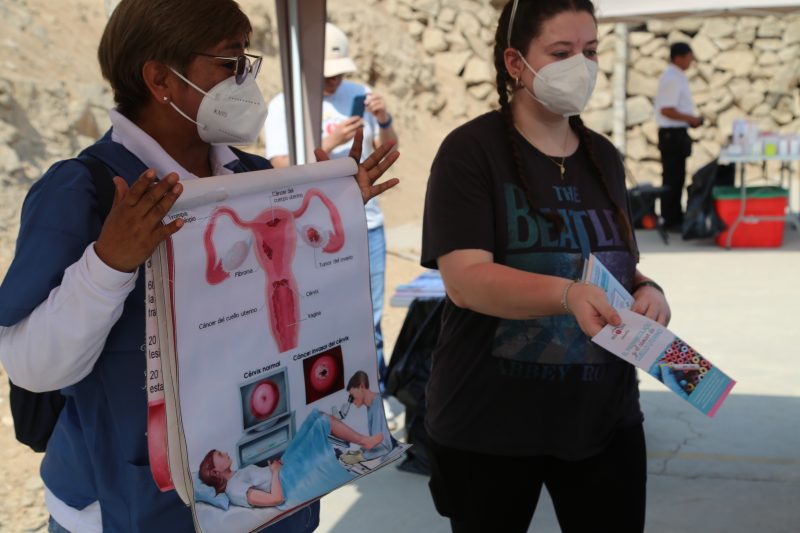
Preventative screenings, health education, vaccinations, and early detection programs reduce long-term health complications while improving quality of life.
In many underserved communities, however, patients may not receive regular preventative care because clinics are too far away, healthcare costs are too high, or public systems are overwhelmed.
The article early detection and preventive screening in Latin America’s healthcare system explains how MEDLIFE’s Mobile Clinics help bridge healthcare gaps by bringing screenings and preventative services directly into communities.
Similarly, Health Workshops Provide Medical Education Resources in Ecuador highlights how diabetes education, hygiene workshops, and preventative health initiatives help communities better manage long-term health conditions.
Effective healthcare systems do not only react to illness. They help communities stay healthy before medical crises develop.
Local Leadership Strengthens Healthcare Systems
Healthcare systems become more sustainable when local professionals lead the process.
MEDLIFE’s article on building capacity with local physicians strengthens the healthcare system explains how investing in local healthcare workers creates stronger long-term outcomes for communities.
Local doctors and nurses understand the language, cultural context, healthcare infrastructure, and referral systems within their own regions. This knowledge allows care to be more effective, accessible, and culturally appropriate.
The MEDLIFE FAQ section about local doctors understand the healthcare system and culture also explains why Mobile Clinics are staffed primarily by local professionals who can provide more personalized care and year-round follow-up.
This approach is especially important for underserved populations in healthcare, where communities may already feel disconnected from larger public healthcare systems.
Rather than relying on short-term volunteer interventions, MEDLIFE focuses on partnerships with local leaders who continue supporting patients long after clinics end.
Healthcare Access Means More Than Hospitals
A healthcare system can have hospitals and still fail to meet the needs of vulnerable communities.
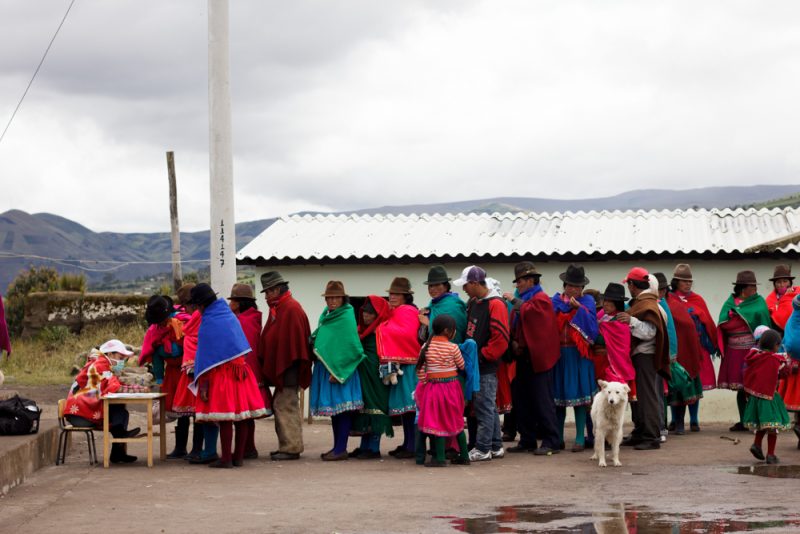
In many regions, patients struggle to reach care because roads are unsafe, transportation is unreliable, or medical facilities are concentrated in urban centers.
The page on Costa Rica’s healthcare system faces rural challenges highlights how even countries with relatively strong national healthcare systems can still experience disparities in rural areas.
Communities without safe roads, water systems, sanitation infrastructure, or nearby healthcare facilities often face worse health outcomes despite national healthcare improvements.
This is one reason MEDLIFE integrates development work directly into healthcare outreach.
Projects such as Community Development Projects: Staircases in Lima, Peru demonstrate how safer infrastructure can improve mobility, access to clinics, and overall quality of life.
Effective healthcare systems recognize that health outcomes are shaped by transportation, housing, education, and public infrastructure.

Follow-Up Care Creates Better Outcomes
An effective healthcare system does not stop after a patient receives an initial diagnosis.
Long-term follow-up, specialist referrals, medication access, and continuity of care are essential parts of sustainable healthcare.
The story long waitlists in the public healthcare system illustrates how dangerous delays in care can become for patients facing serious medical conditions.
MEDLIFE helped connect Hugo with surgery and continued medical support after public healthcare waitlists became life-threatening.
Similarly, Helping Women Access Gynecological Care: Santa and Justina highlights how follow-up care and surgical referrals can dramatically improve long-term quality of life for women who previously lacked access to specialized healthcare.
For many underserved populations in healthcare, the challenge is not simply entering the healthcare system. The challenge is remaining connected to it over time.
This is why MEDLIFE emphasizes continuity of care instead of one-time interventions.

Education and Community Empowerment Matter
Healthcare systems become stronger when communities are empowered with knowledge.
Health education allows patients to recognize symptoms earlier, manage chronic illnesses more effectively, and make informed decisions about preventative care.
Programs like Laying the Foundations of Health Education: Dental Kits for Kids show how preventative education can improve long-term oral health while helping children build healthier habits from an early age.
MEDLIFE also prioritizes community involvement through its 50–50 model, where communities contribute labor and leadership while MEDLIFE provides technical support and materials.
This collaborative structure creates ownership and strengthens trust between healthcare teams and community members.
An effective healthcare system is not built only by institutions. It is built through collaboration with the people it serves.
Students Learn What Effective Healthcare Really Looks Like
Many students interested in Global Health initially assume healthcare is primarily about diagnosis and treatment.
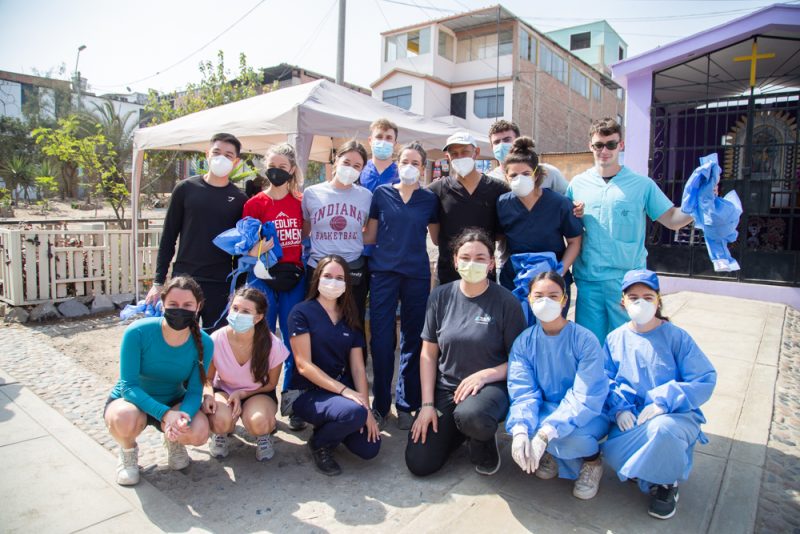
Through MEDLIFE Service Learning Trips, students quickly learn that healthcare systems are deeply connected to education, infrastructure, poverty, language, and public policy.
Articles like Why Pre-Med Students Should Learn a New Language demonstrate how communication and cultural understanding help future healthcare professionals provide more compassionate and effective care.
Similarly, Nurse Volunteer Opportunities: How Healthcare Students Can Make a Difference Abroad highlights how students work alongside local healthcare professionals while learning about public health challenges and sustainable development.
These experiences help students move beyond the idea of “helping” communities and toward a more thoughtful understanding of collaboration, humility, and ethical service.
Looking Beyond Access Toward Long-Term Impact
An effective healthcare system is not measured only by how many patients receive appointments.
It is measured by whether patients can continue receiving care, whether communities trust healthcare providers, whether preventative services are accessible, and whether vulnerable populations are included in long-term solutions.
This is particularly important in conversations surrounding healthcare in Latin America, where rural communities and low-income populations often face overlapping barriers tied to infrastructure, poverty, and healthcare inequities.
MEDLIFE – Transformative Travel Experiences
MEDLIFE’s approach combines medicine, education, and development to help communities build healthier futures through sustainable partnerships rather than temporary interventions.
For students, these experiences provide a deeper understanding of Global Health and ethical volunteering. For donors, they demonstrate how investments in local leadership, prevention, and follow-up care create ripple effects that extend far beyond a single clinic visit.
If you want to learn more about MEDLIFE’s Service Learning Trips, start your journey by downloading our brochure.
You can also support sustainable healthcare initiatives by becoming a monthly donor through MEDLIFE’s Moving Mountains campaign.