
Wondering how to volunteer in Africa and contribute positively to underserved communities? Taking part in a Service Learning Trip with MEDLIFE in Kilimanjaro, Tanzania is one of the best ways to do just that. With first‑hand evidence of significant need, such as rural communities where over one‑third of households live on less than $1 a day, this destination allows volunteers to work alongside local professionals in healthcare, education, and development. Whether you’re a student, educator, or young professional, here’s how to get started and volunteer in Africa with confidence.

1. Choose Your Trip Type
Begin your journey by selecting a SLT that aligns with your interests. For example, MEDLIFE offers dental, nursing, development, and education focused Service Learning Trips, which means you can select the type of work you want to contribute to depending on your academic or career goals. You can also select a classic Service Learning Trip if you don’t have a preference.
2. Register and Attend Orientation
Once you’ve selected your SLT, register through MEDLIFE and attend an orientation session. This will cover what to expect on‑site, cultural considerations (Swahili and English are common) and logistics including accommodation, in‑country support, and safety protocols. MEDLIFE provides 24/7 local staff support in Tanzania.

3. Prepare for the Region
Preparing your personal gear and understanding local travel conditions is essential. In the Kilimanjaro region, volunteers may encounter rural terrain, variable weather, and basic infrastructure. Packing trekking shoes, rain gear, mosquito protection, and seeing health vaccine requirements helps you feel confident and safe. For a full list of what to pack, check out our blog here!
4. Participate Actively and Reflect
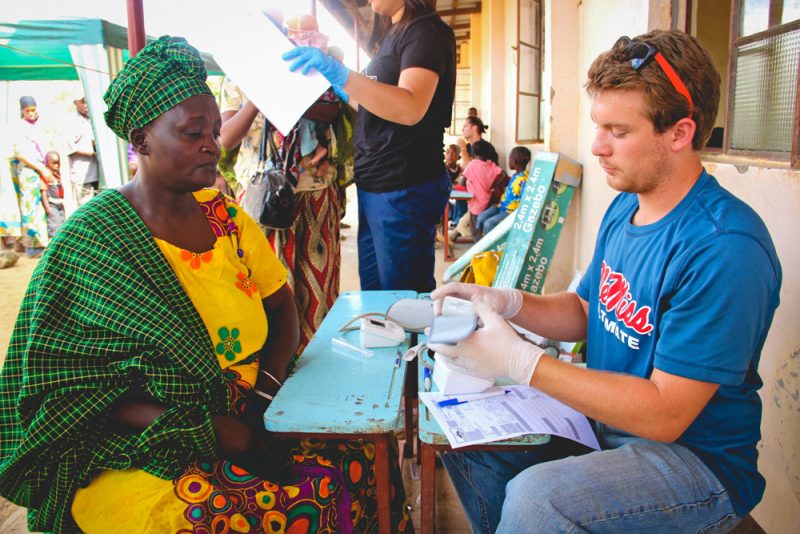
Once you arrive on‑site, you’ll participate in meaningful work such as assisting triage and pharmacies at mobile clinics, supporting patient education, or helping with community development projects. These experiences allow you to gain insight into how healthcare systems function in rural African settings and how development can be sustainable. The key to volunteering in Africa is not just showing up but showing respect, humility, and a willingness to learn alongside local colleagues.
5. Stay Safe and Support Local Priorities
Volunteering in Africa demands respect for local context and safety awareness. Ensure that you follow the safety policies laid out to you by your trip leader.
6. Grow Your Network & Return with Purpose
After your trip, spend time reflecting on the experience and applying what you learned to your academic or professional journey. Volunteering in Africa can help you develop leadership, global awareness, and service‑oriented skills. Whether you’re coming from high school, university, or a professional path, the lessons you carry home will broaden your perspective.
If you’ve been wondering how to volunteer in Africa with purpose and confidence, this SLT process offers a clear pathway. With MEDLIFE’s structured programs, you’ll get hands‑on experience, in‑country support, and the chance to make a real difference. Start today, choose your trip, prepare wisely, serve ethically, and return changed by your journey.
To learn how to get started, fill out the interest form below.
You can also help directly fund our community outreach programs by becoming a monthly donor to our Moving Mountains campaign. For just the cost of one coffee per month, you can help people like the patients you just read about receive care and assistance through their medical procedures. Click here to learn more!