Anyone who is eyeing a pre-med track has most likely looked into volunteer opportunities abroad in a search to broaden their horizons and gain real-world experience before donning the white coat. Between shadowed clinical hours, research, and volunteer work, the pressure to build a standout resume is a real priority. But when it comes time to pay for volunteer program costs, you might start to wonder: are paid medical mission trips actually worth the investment for your medical school applications?
Let’s break down how admissions committees evaluate these experiences, what makes an international program truly ethical, and how to get the most value out of this kind of experience.

What Do Admissions Committees Actually Look For?
When it comes to the top medical schools in the US, admissions officers review thousands of applications with high GPAs and competitive MCAT scores every single year. What truly sets a candidate apart is an ability for authentic reflection, global awareness, and a demonstrated commitment to service outside of mandatory school work.
Medical schools want to see that you understand the core realities of patient care:
-
Empathy & Cultural Humility: Can you connect with patients from backgrounds that differ from your own?
-
Ethical Boundaries: Do you understand the limits of your current level of training? Can you assist in medical procedures without overstepping and going beyond what you’re currently capable of?
-
Long-Term Perspective: Do you see systemic poverty and health disparities as complex issues requiring sustainable solutions and education on the practitioner’s side?
Participating in paid medical mission trips can greatly help you demonstrate these qualities to admissions committees, provided you choose a program that emphasizes culturally integrated learning and ethics over short-term “voluntourism“.
How to Fulfill Medical School Requirements Ethically
Meeting medical school requirements requires you to gather a plethora of quality clinical exposure, community service, and demonstrated leadership hours. International service trips are the perfect way to check these boxes, but the type of trip matters immensely.
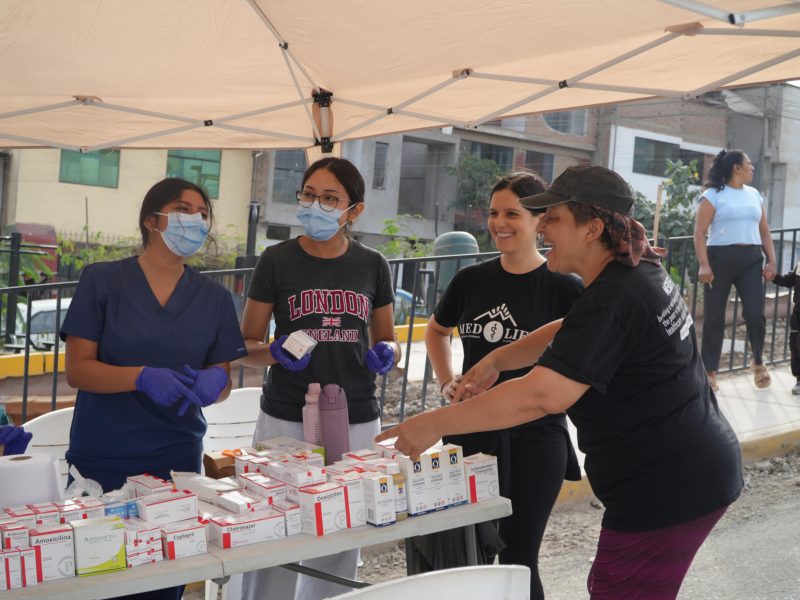
Traditional medical mission trips sometimes face criticism when uncertified students perform tasks beyond their scope, or when trips provide “band-aid fixes,” leaving communities without the necessary tools to sustain on their own. Truly ethical global health organizations operate differently. For example, MEDLIFE structures its Service Learning Trips around a sustainable community-led model:
-
Local Professionals Lead the Care: Volunteers shadow licensed local doctors and nurses rather than replacing them. This allows them to gain vital observational experience while also prioritizing patient safety.
-
Follow-Up Care Systems: Program fees, or donation goals, help employ year-round local healthcare staff and fund infrastructure projects chosen by the community, such as clean water access and staircases.
-
Immersive Education: Volunteers participate in reality tours and workshops to better understand structural poverty and the root causes of health inequities in the communities we partner with.
When you participate in ethical paid medical mission trips, you gain hands-on perspective on public health challenges that standard shadowing in a local hospital cannot always provide.
Make the Investment Count
So, are these trips worth it? Yes, if you use the experience to grow as a future healthcare provider. Medical school interviewers care far less about the fee you paid than about what you learned from the community you served.
If you can write thoughtfully about health equity, cultural humility, and ethical patient care in your personal statement, an international service trip can be a cornerstone of your application.
Interested in how you can gain real world medical experience? Explore how you can join a MEDLIFE Service Learning Trip to Peru, Ecuador, Costa Rica, Guatemala, or Tanzania by filling out the interest form below or downloading our brochure today!