A woman in rural Ecuador finally makes it to a clinic after postponing care for months. She receives an initial screening and learns she may need additional treatment. But the clinic is hours from her community. Transportation is expensive and unreliable. She also needs follow-up testing, education about her condition, and ongoing support from healthcare professionals who understand her community.
This is one of the realities behind healthcare access.
Too often, conversations about global health focus only on whether people can physically reach a doctor or clinic. While access matters deeply, access alone does not automatically lead to better health outcomes. Lasting change depends on continuity of care, preventative education, infrastructure, transportation, trust, and community-led systems that support people long after an initial appointment.
In many forms of healthcare in developing countries, patients face challenges that continue well beyond a single medical visit. MEDLIFE’s long-term approach focuses not only on increasing access to care, but also on building the systems that allow communities to stay healthy over time.

Why Healthcare Access Must Include Follow-Up Care
For many patients, one appointment is only the beginning.
Conditions like diabetes, hypertension, cervical cancer, and chronic illnesses require monitoring, education, medication management, and continued treatment. Without those next steps, even patients who receive screenings may still struggle to improve their health.
This is why MEDLIFE’s model emphasizes mobile clinics paired with long-term patient follow-up programs. Stories like regular health screenings in rural Ecuador show how early detection and continued care can prevent more serious outcomes.
Similarly, mobile clinics and follow-up care helped women in Peru receive surgeries and recovery support that improved their quality of life over the long term.
These examples highlight an important reality. Fast access healthcare may help patients enter the healthcare system, but without continuity of care, many conditions remain untreated or unmanaged.
MEDLIFE works alongside local doctors, nurses, and healthcare professionals who understand local referral systems, language, and cultural contexts. This approach helps patients move from initial screenings to meaningful long-term treatment.

Transportation and Infrastructure Shape Health Outcomes
Healthcare does not begin at the clinic door.
In many underserved communities, people must navigate steep terrain, unsafe roads, or unreliable transportation simply to attend appointments. Missing transportation can mean delaying treatment for weeks.
The blog post on transportation barriers to healthcare access illustrates how geography and infrastructure directly affect whether patients can receive consistent care.
This is one reason MEDLIFE invests in sustainable development projects alongside medical outreach.
In Peru, infrastructure projects and healthcare access became closely connected when communities worked together to build staircases that improved mobility and created pathways toward land titles, utilities, healthcare services, and safer transportation.
Development projects like these demonstrate that improving health outcomes often requires addressing root causes that extend beyond medicine alone.
Without safe transportation, stable housing, reliable infrastructure, or legal access to public services, healthcare systems struggle to create lasting impact.
Prevention and Education Matter Just as Much as Treatment
Another important reason healthcare access alone is insufficient is that many preventable illnesses are connected to education gaps.
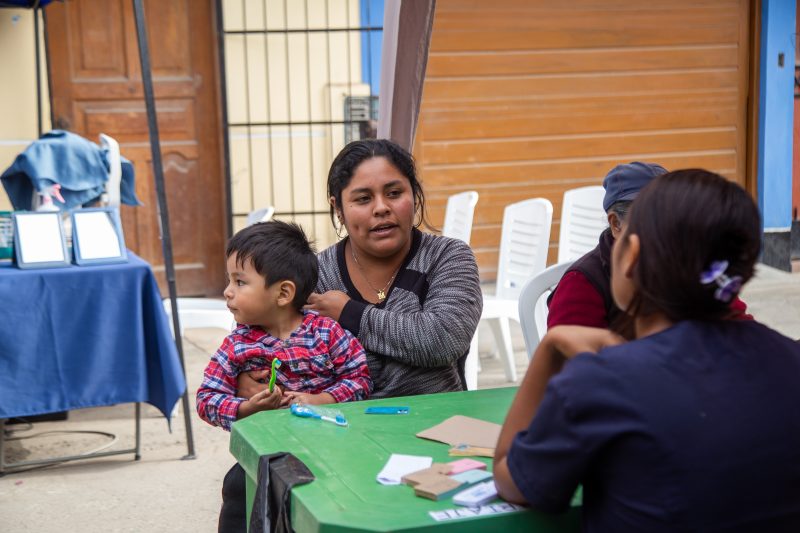
Preventive healthcare education helps communities recognize symptoms early, understand chronic illnesses, improve hygiene practices, and make informed decisions about their health.
Through community health education and early detection, MEDLIFE teams have provided diabetes workshops, glucose screenings, and public health education that help communities prevent more serious complications before they occur.
Similarly, health education for children in developing countries demonstrates how long-term health outcomes improve when children and families gain access to practical knowledge and preventative tools.
Education creates a ripple effect. Children share lessons with families. Community members learn to seek treatment earlier. Patients become more confident navigating healthcare systems.
This type of prevention-focused work is especially important in healthcare in developing countries, where limited resources can make emergency treatment far more difficult and expensive.
Local Leadership Creates Sustainable Healthcare Systems
Sustainable healthcare solutions require local leadership.
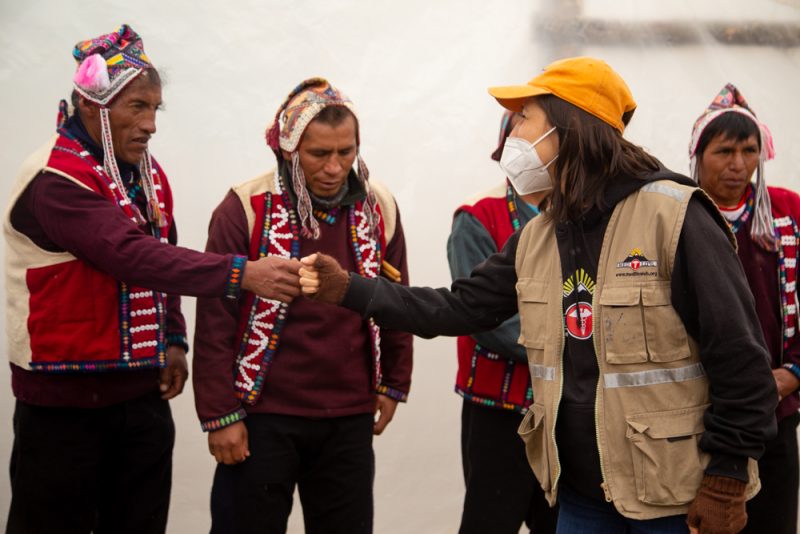
At MEDLIFE, over 90% of staff members are local to the regions where the organization works. Local doctors, nurses, coordinators, and community leaders guide healthcare efforts because they understand the specific challenges communities face.
This model helps avoid short-term volunteer approaches that prioritize temporary experiences over long-term impact.
For example, the story about coordinated pediatric care and patient follow-up demonstrates how local healthcare coordination connected a child in Ecuador with specialist care, mobility support, and continued medical evaluations.
Rather than treating healthcare as a one-time intervention, MEDLIFE focuses on building relationships and systems that support patients over time.
This philosophy also shapes how students participate in Service Learning Trips.
Students work alongside local healthcare professionals, support educational outreach, and observe how social determinants influence health outcomes. Articles about bridging language barriers in healthcare and volunteer programs improving healthcare in developing countries highlight how students gain a more nuanced understanding of Global Health through listening, collaboration, and cultural humility.
The goal is not for volunteers to “save” communities. The goal is to learn from local leaders while supporting sustainable systems already being built within communities.

Healthcare Outcomes Improve When Communities Lead the Process
One of the most important lessons in Global Health is that communities themselves are the experts on their own needs.
MEDLIFE’s 50–50 model reflects this belief. Communities contribute labor, leadership, and local knowledge while MEDLIFE provides technical support and materials. This collaborative process helps create ownership, accountability, and long-term sustainability.
Health outcomes improve most when healthcare, education, and development work together.
- A patient who receives screening services also needs transportation.
- A family managing diabetes also benefits from nutrition education.
- A child attending school may also need safer infrastructure to reach healthcare services.
This interconnected approach recognizes that health is shaped by far more than access to a clinic alone.
Looking Beyond Access Toward Long-Term Health
Improving health outcomes requires more than increasing the number of clinics or appointments available.
Real progress happens when patients receive ongoing support, communities gain access to preventative education, infrastructure barriers are reduced, and local healthcare systems are strengthened.
That is why MEDLIFE’s work combines medicine, education, and development into one long-term approach centered on community partnership.
MEDLIFE – Transformative Travel Experiences
For students interested in Global Health, these experiences provide valuable insight into the complexity of sustainable healthcare systems. For donors, they demonstrate how thoughtful investments in follow-up care, infrastructure, and education can create ripple effects that extend far beyond a single medical visit.
If you want to learn more about ethical volunteering and sustainable development, start your journey by downloading our brochure.
You can also directly assist communities in need by becoming a monthly donor through MEDLIFE’s Moving Mountains campaign.